
The passkey wallet limits to account for
A passkey wallet is a Web3 smart account that replaces traditional seed phrases with biometric authentication methods like FaceID or TouchID [1]. By using WebAuthn and account abstraction, these wallets simplify onboarding and improve security for the average user.
The constraint here is hardware. A passkey wallet stores a P-256 key in dedicated tamper-resistant hardware and gates every signature behind biometrics [2]. This means you cannot export the key to a computer, nor can you recover it with a written seed phrase if you lose your device. The convenience of "no password" comes with the tradeoff of total device dependency.
This architectural shift moves security from what you know (a password) to what you are (biometrics) and what you have (the device). While this eliminates phishing for credentials, it introduces a new single point of failure: your physical device. If your phone is lost or stolen, access to your assets is locked behind the device's own security, which may or may not be sufficient depending on the platform's recovery policies.
Passkey wallet choices that change the plan
Passkey wallets replace traditional seed phrases with biometric authentication methods like FaceID or TouchID, leveraging WebAuthn and account abstraction to simplify onboarding and improve security [src-serp-1]. While this approach removes the friction of managing complex recovery phrases, it introduces specific tradeoffs regarding device dependency and recovery complexity that users must evaluate.
The primary advantage is convenience. By storing a P-256 key in dedicated tamper-resistant hardware and gating every signature behind biometrics, passkey wallets eliminate the risk of phishing and password reuse [src-serp-2]. This makes them significantly more secure than traditional password-based systems for everyday transactions.
However, the reliance on specific hardware creates a recovery challenge. If you lose your device, recovering access can be more complex than backing up a seed phrase. Additionally, while biometric authentication is convenient, it ties your wallet’s security to your physical presence and device functionality, which may not suit all use cases or privacy preferences.
| Feature | Passkey Wallet | Traditional Wallet | Hardware Key |
|---|---|---|---|
| Setup | Instant (Biometric) | Manual (12-24 words) | Device Purchase |
| Security Model | Biometric + Hardware | Knowledge-based | Physical Isolation |
| Recovery | Device or Backup Method | Seed Phrase | Device Replacement |
| Phishing Resistance | High | Low | High |
| Portability | Device Dependent | High | Medium |
For those managing digital assets, understanding these tradeoffs is essential. The choice between a passkey wallet, a traditional seed phrase, or a hardware key depends on your priority: convenience, ultimate control, or physical security. As the landscape evolves, passkey wallets offer a compelling middle ground for users seeking both security and ease of use.
Choose the next step
Moving from passwords to passkey wallets isn't just a settings toggle; it's a structural shift in how you control your digital identity. For Web3 users, this means swapping vulnerable seed phrases for biometric-backed cryptographic keys. For traditional accounts, it means phasing out the password reset cycle entirely.
The decision framework below helps you determine whether your current setup is ready for this upgrade or if you need to address specific vulnerabilities first. We prioritize security proofs over convenience features.
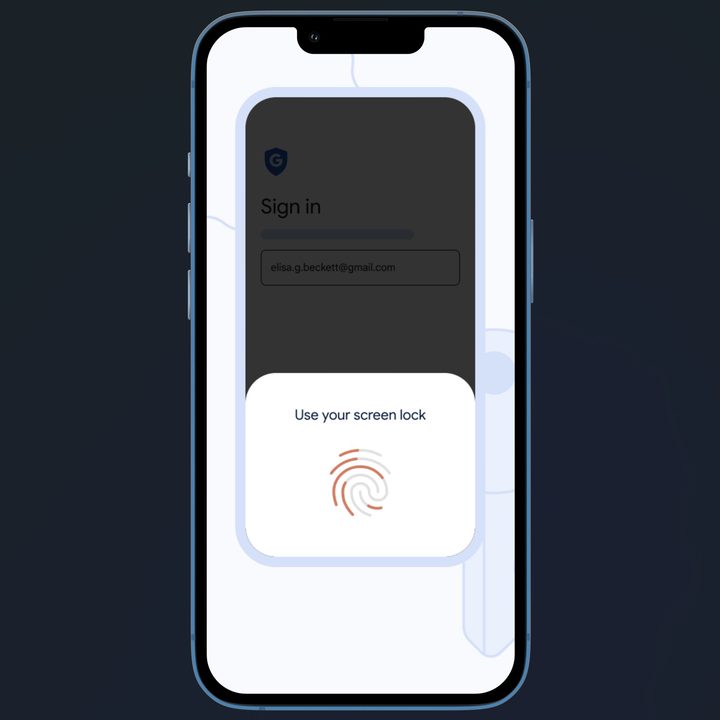
The safest passkeys are stored in dedicated tamper-resistant hardware, such as Apple's Secure Enclave or Android's StrongBox. Before switching, check if your device supports FIDO2/WebAuthn standards at the hardware level. Software-only keys are significantly more vulnerable to malware extraction than hardware-backed ones.
Passkey wallets replace the traditional 12-24 word seed phrase with biometric authentication. If you currently rely on a handwritten seed phrase stored in a physical location, you are already at risk. Transitioning to a passkey wallet removes the human error element of copying or losing that phrase, but you must ensure your device's biometric data is backed up securely within the ecosystem (e.g., iCloud Keychain or Google Password Manager).
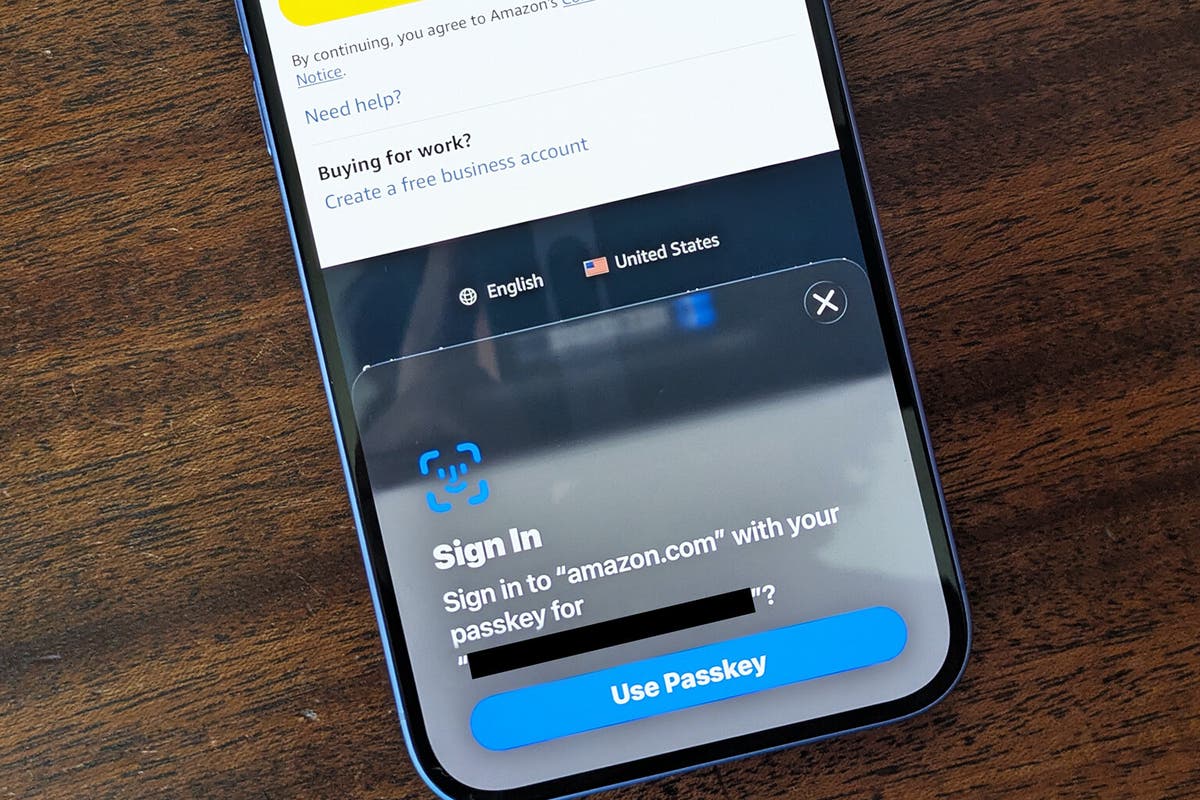
Not all dApps or services support passkey login yet. Verify that your primary Web3 wallets (like MetaMask or Rabby) and key service providers (like Eco or Argent) support passkey integration. If you are managing multiple chains, ensure the passkey wallet you choose is compatible with the account abstraction layer you intend to use.
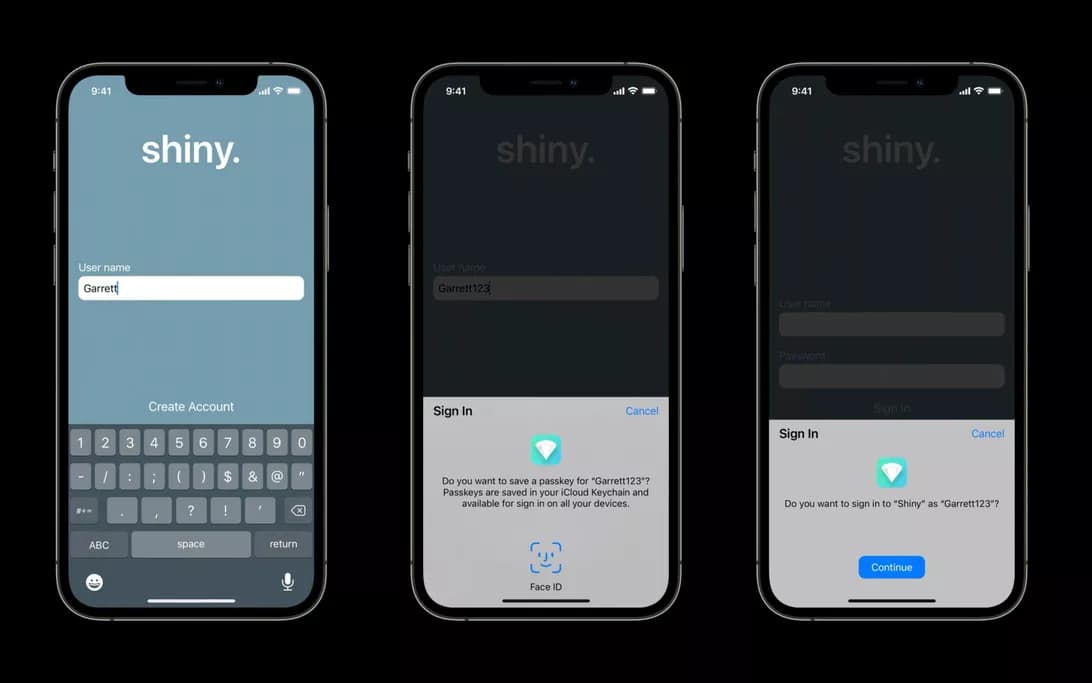
The primary advantage of passkeys is phishing resistance. Unlike passwords, a passkey will not work on a fake login page because the cryptographic challenge is bound to the specific domain. Test your new setup by attempting to log in to a known phishing site; the passkey should simply refuse to authenticate, providing a clear visual cue that something is wrong.
The transition to passkey wallets is a move from "something you know" to "something you are." This shift eliminates the most common attack vector in digital security: weak or reused passwords. By following these steps, you ensure that your security upgrade is both practical and robust.
Avoid weak passkey wallet options
Not all passkey implementations offer the same level of protection. Several common pitfalls can leave your digital assets exposed despite the promise of biometric security.
Cloud-synced keys without hardware roots
Some wallets sync passkeys to the cloud for convenience. This approach removes the hardware-bound guarantee that prevents extraction. If the cloud provider is breached, your keys are vulnerable.
Software-only biometric checks
Biometrics stored in software are easier to spoof than those in secure enclaves. Look for wallets that use dedicated tamper-resistant hardware to store P-256 keys and gate every signature behind biometric verification.
Poor account abstraction
Weak implementations may not fully utilize account abstraction. This can lead to complex recovery processes or limited transaction control. Choose wallets that clearly define recovery paths and transaction limits.
Ignoring cross-platform compatibility
Passkeys rely on WebAuthn standards. Ensure your chosen wallet supports broad device compatibility. Incompatible wallets can lock you out of your assets if your primary device fails.
Passkey wallets: what to check next
Passkey wallets are shifting how we think about digital asset security, but they come with specific trade-offs that matter before you migrate your funds. Here are the practical answers to the most common concerns.
No comments yet. Be the first to share your thoughts!