
Passkey wallet limits to account for
Choosing a passkey wallet requires balancing security, convenience, and technical compatibility. The decision hinges on whether the wallet’s architecture aligns with your specific threat model and operational needs. Start by identifying your non-negotiable constraints—such as hardware requirements, backup mechanisms, and supported chains—before evaluating features.
A practical choice must survive real-world friction, including device loss, software updates, and cross-platform usage. If a recommendation relies on ideal conditions, such as perfect network connectivity or specific hardware versions, it is likely unsuitable for production environments. Distinguish between must-have security features and nice-to-have conveniences to avoid overpaying for unnecessary complexity.
Passkey wallet choices that change the plan
The landscape of passkey-enabled wallets varies significantly in implementation. Some prioritize seamless user experience at the cost of decentralization, while others emphasize strict key isolation but sacrifice ease of use. Evaluate each option against your primary use case, ensuring the tradeoffs do not compromise your security posture or operational efficiency.
| Factor | What to check | Why it matters |
|---|---|---|
| Key Custody | Verify if keys are stored in a secure enclave or on a server. | Custodial solutions introduce single points of failure and counterparty risk. |
| Backup Strategy | Check if the wallet supports cloud backups or social recovery. | Device loss should not result in permanent asset loss; robust backups are essential. |
| Chain Support | Confirm compatibility with your target blockchains and standards. | Limited chain support restricts usability and may require multiple wallets. |
Choose the next step
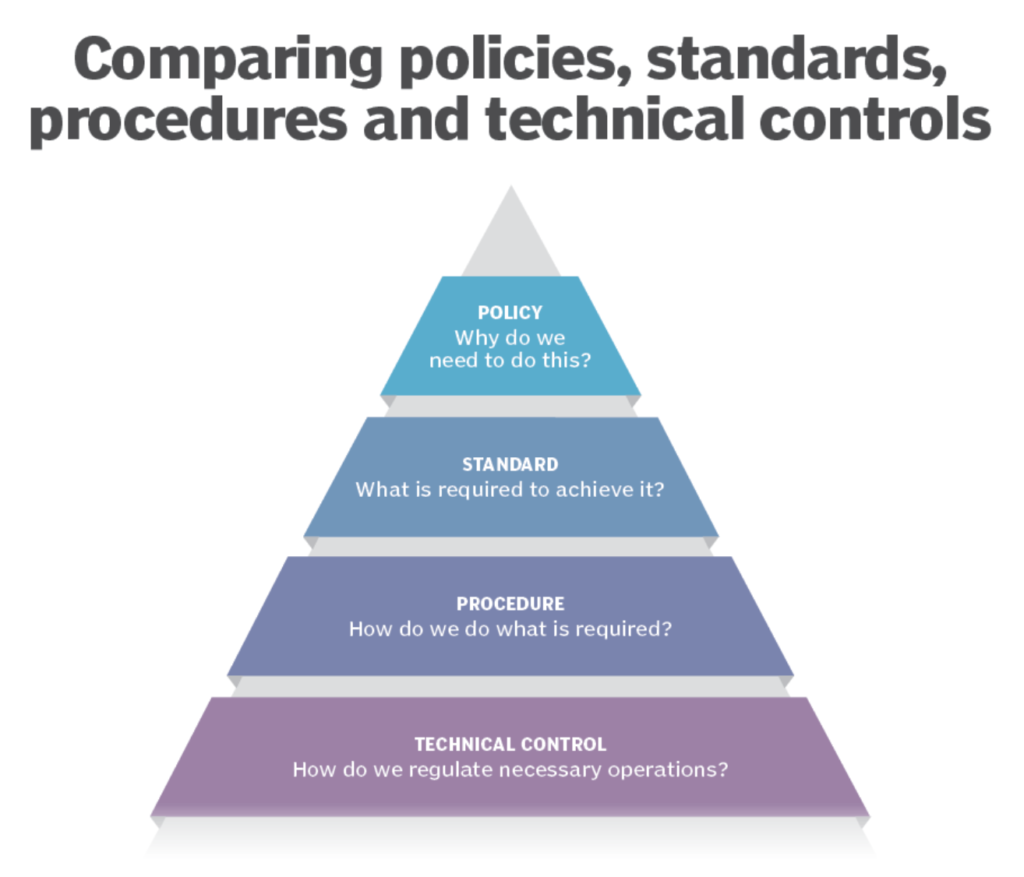
Implementing a passkey wallet involves a clear sequence: define your security constraints, compare technical implementations, test the user experience, and select the solution with the fewest hidden risks. This structured approach ensures the recommendation fits your actual situation rather than theoretical ideals.
Avoid the weak options
Not every wallet claiming to use passkeys actually protects your data. The market includes projects that use the term as a marketing label rather than a technical standard. Many still rely on centralized custodians or weak seed phrase backups, which defeats the purpose of moving away from passwords. Verify the underlying architecture before trusting any wallet with significant assets.
Centralized "Passkey" Hybrids
Some providers offer a passkey login interface but store the actual private keys on their servers. This creates a single point of failure. If the provider is hacked or goes offline, you lose access. True passkey wallets keep keys in your device’s secure enclave. Look for open-source code that proves keys never leave your hardware. If the documentation mentions "custodial" or "recovery via support ticket," skip it.
Weak Biometric Implementations
Not all biometric integrations are equal. Some wallets use simple fingerprint scans without hardware-backed secure elements. These can be spoofed or bypassed in certain Android environments. The standard you want is WebAuthn with platform authenticators tied to TPM or Secure Enclave chips. Without this hardware anchor, your "biometric" security is no stronger than a password you might forget or steal.
Lack of Account Abstraction
Many basic passkey wallets lack account abstraction (ERC-4337). This means you cannot sponsor gas fees or batch transactions. For enterprise use, this limitation makes them impractical for daily operations. Check if the wallet supports smart contract wallets. Without abstraction, you are stuck paying gas in ETH for every minor interaction, increasing costs and complexity for your team.
Passkey wallet: what to check next
Before switching your enterprise infrastructure, it helps to separate the marketing hype from the technical reality. Passkey wallets are not magic; they are a specific implementation of the WebAuthn standard applied to crypto custody. Here are the practical answers to the most common objections.
No comments yet. Be the first to share your thoughts!