
Passkey wallet limits to account for
Passkey wallets simplify authentication by binding cryptographic keys to your device’s secure enclave, but they introduce specific constraints regarding device dependency and recovery. Unlike traditional seed phrases, which are portable and offline, passkeys are tied to the hardware that generated them. This section outlines the practical limits you must consider before relying on passkey-based crypto storage.
A practical choice should survive normal use, maintenance, timing, and budget. If a recommendation only works in an ideal situation, call that out plainly and give the reader a fallback path.
Passkey wallet choices that change the plan
When selecting a passkey wallet, prioritize options that clearly define their custody model and recovery mechanisms. The market is split between true self-custody wallets that leverage device biometrics and custodial services that merely use passkeys as a login layer. Understanding this distinction is critical for securing digital assets.
| Factor | What to check | Why it matters |
|---|---|---|
| Fit | Match the option to the primary use case. | A good deal still fails if it does not fit the job. |
| Condition | Verify age, wear, and service history. | Hidden condition issues erase upfront savings. |
| Cost | Compare purchase price with likely upkeep. | The cheapest option is not always the lowest-cost option. |
Choose the next step
The Passkey Wallet Revolution works best as a clear sequence: define the constraint, compare the realistic options, test the tradeoff, and choose the path with the fewest hidden costs. That order keeps the advice usable instead of decorative.
After each step, pause long enough to check whether the recommendation still fits the reader's actual situation. If it depends on perfect timing, unusual access, or a best-case budget, include a simpler fallback.
Watch out for weak passkey options
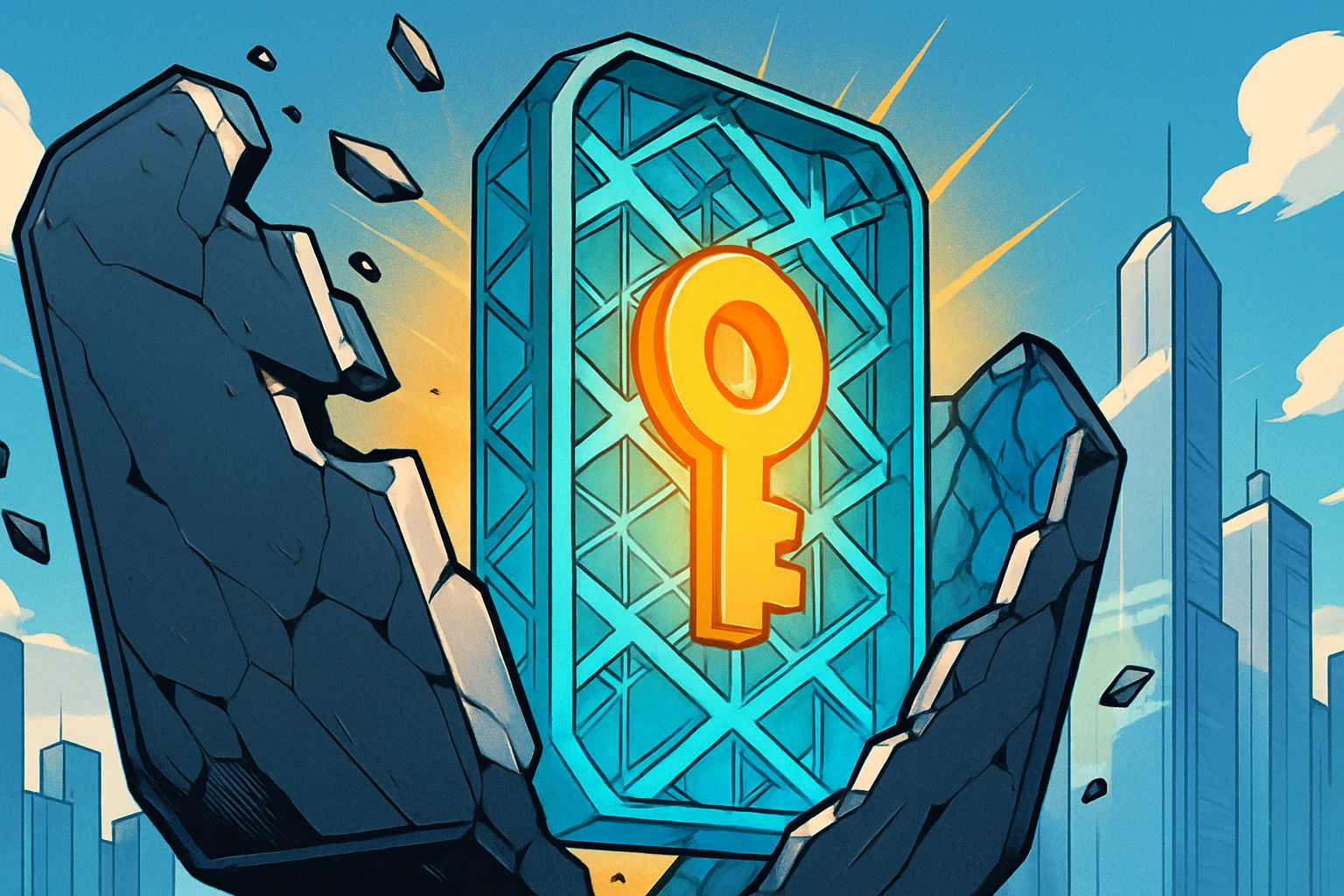
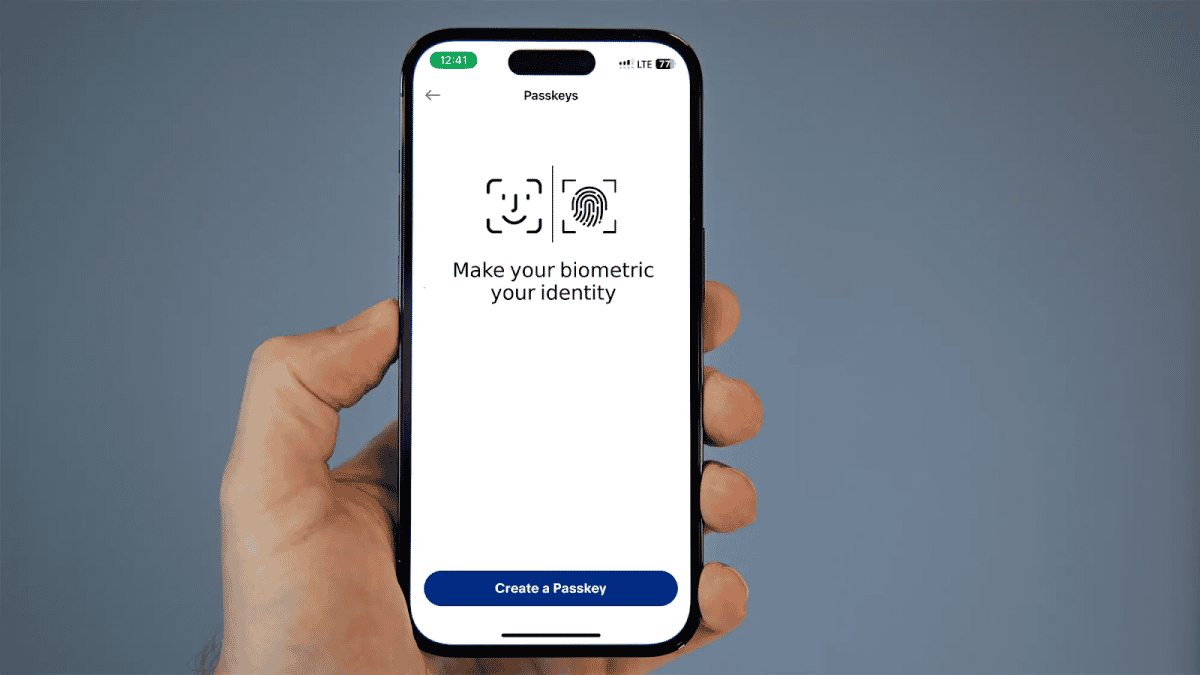
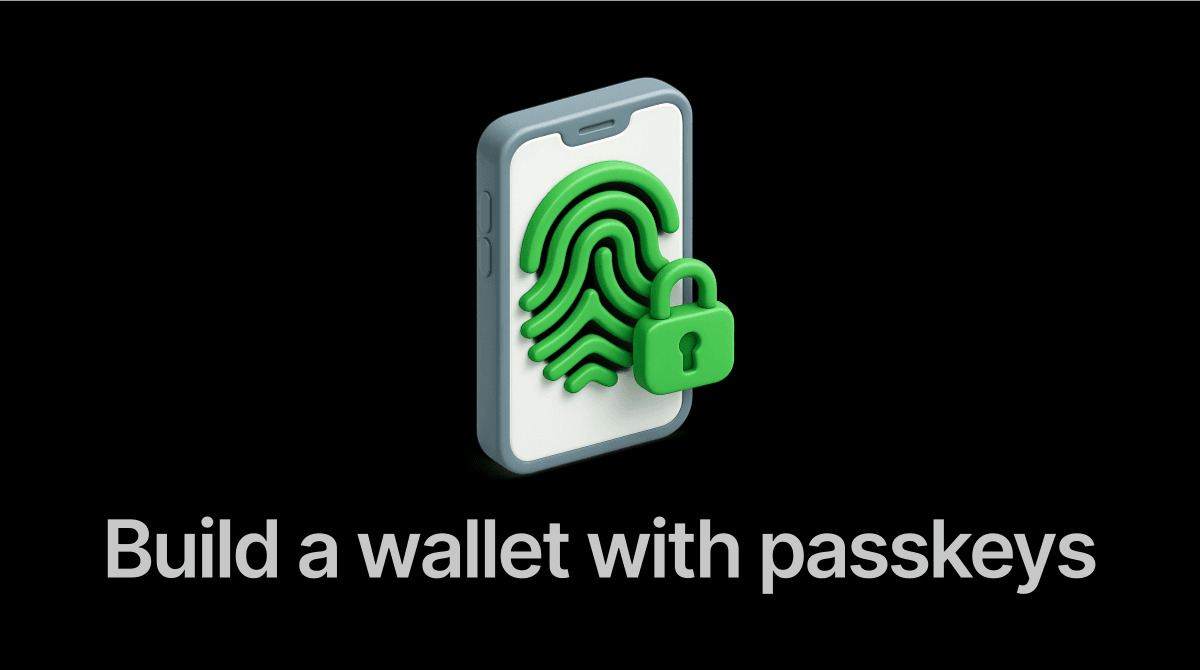
The passkey wallet promise is simple: replace passwords with biometric keys. In practice, not all implementations deliver that security. Many "passkey" products are just password managers with a biometric layer, lacking the device-bound cryptographic isolation that defines true FIDO2 standards. This distinction matters when you are storing crypto assets or sensitive financial data.
The seed phrase trap
Some wallets claim to be "seedless" but quietly generate a backup seed phrase in the background. If you cannot export your private keys, you do not own your wallet. True passkey wallets derive keys from your device's secure enclave. If the provider holds the keys, it is a custodial service, not a passkey wallet. Always verify if you can export the underlying private key or if you are locked into their ecosystem.
Cross-device sync risks
Most password managers sync passkeys across devices for convenience. This creates a attack surface: if one device is compromised, the attacker may access your passkeys on others. For high-stakes finance, consider devices that do not sync. The trade-off is inconvenience, but it prevents a single breach from compromising your entire identity. Check the provider's sync policy before linking your financial accounts.
Passkey wallet: what to check next
Passkeys are shifting how we interact with digital assets, moving away from complex seed phrases toward biometric authentication. Below are answers to the most common practical questions about adopting this technology.
No comments yet. Be the first to share your thoughts!