
What makes a passkey wallet different
A passkey wallet is a Web3 smart account that replaces traditional seed phrases with biometric authentication methods like FaceID or TouchID. Instead of memorizing a string of random words, you unlock your crypto using the same secure, passwordless login you use to access your phone or laptop. This shift moves the burden of security from the user’s memory to the device’s hardware.
The core difference lies in how access is granted. Traditional wallets rely on a seed phrase—a list of 12 or 24 words that acts as the master key to your funds. If you lose that phrase, your assets are gone. If you share it, they are stolen. Passkey wallets use the WebAuthn standard, which binds your identity to a specific device. The private key never leaves your phone or computer, and it cannot be guessed or reused by attackers.
This approach simplifies onboarding while improving security. Google describes passkeys as a simple and secure way of using passwordless authentication, leveraging fingerprint or facial recognition to log in to apps and websites. By removing the friction of seed phrase management, passkey wallets make crypto more accessible without sacrificing the cryptographic guarantees that make blockchain transactions trustless.
Biometric security standards explained
Passkey wallets rely on the WebAuthn standard and FIDO2 protocols to replace traditional passwords with strong public-key cryptography. When you create a wallet, your device generates a unique P-256 cryptographic key pair. The private key never leaves your device’s secure enclave, while the public key is shared with the blockchain network to verify your identity.
This architecture means your assets are protected by hardware-backed security rather than a memorized string of words. Every time you sign a transaction, the wallet requires a fresh biometric confirmation—such as FaceID or TouchID. This biometric gate ensures that no one can move your funds without your physical presence and explicit consent.
Because these keys are stored locally and bound to your specific device, they are immune to phishing attacks that steal passwords. The system is designed so that even if a malicious site mimics a legitimate service, it cannot trick your device into signing a transaction for a different domain. This provides the strongest protection against remote theft.
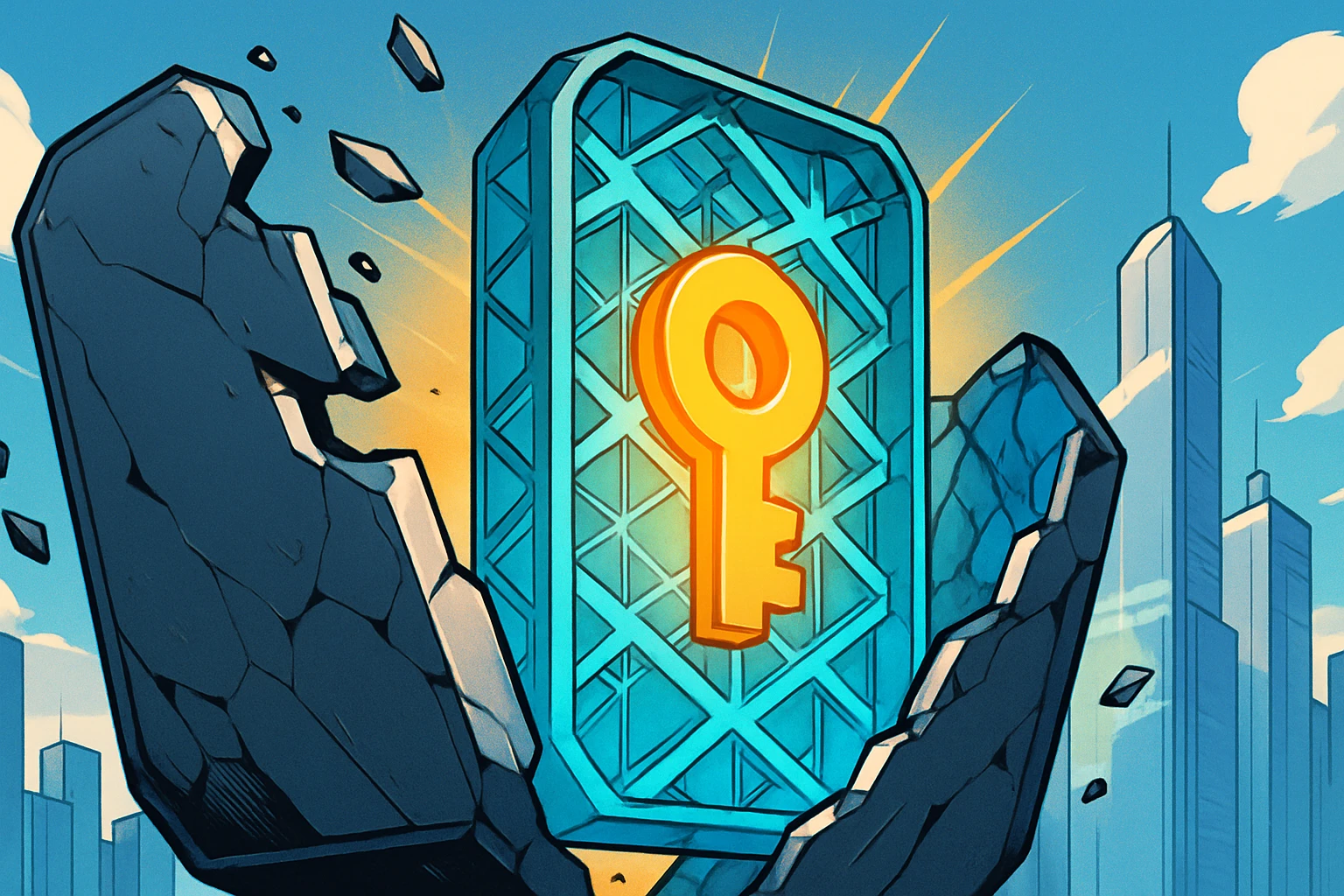
The security model shifts the burden of safety from your memory to your device’s hardware. By combining FIDO2 standards with biometric verification, passkey wallets eliminate the single point of failure that has plagued crypto security for years. You are no longer the weakest link in the chain.
Major platforms adopting passkey wallets
The industry has moved past experimental phases, with major infrastructure providers and wallets integrating passkey standards directly into their core products. This shift signals that passkey wallets are no longer a novelty but a standard for securing crypto assets. By replacing seed phrases with biometric authentication, these platforms are addressing the two biggest barriers to Web3 adoption: security fears and onboarding friction.
Exodus: Simplifying Web3 Onboarding
Exodus recently launched its Passkeys Wallet, designed specifically to smooth the entry point for new users. By leveraging WebAuthn, the wallet eliminates the need for users to memorize or physically store 12-word seed phrases. Instead, access is granted via the device’s native biometric sensors, such as FaceID or TouchID. This approach not only reduces the risk of loss or theft associated with handwritten backups but also allows developers to integrate crypto wallets into traditional Web2 applications more easily. The result is a seamless bridge between conventional digital identity and decentralized finance.
Coinbase Base: Institutional-Grade Security
Coinbase has embedded passkey functionality into its Base Layer-2 network through its Smart Wallets. This implementation uses account abstraction to manage keys securely on the user’s device while providing social recovery options. Users can sign transactions using their device’s biometric data, removing the password entirely from the equation. This method is particularly significant for the Base ecosystem, as it allows high-volume transaction users to interact with decentralized applications without the constant friction of entering complex mnemonic phrases. It represents a move toward institutional-grade security that remains accessible to retail users.
Solana Ecosystem: Hardware-Backed Trust
On the Solana side, projects like Helius are pushing passkeys to leverage hardware security modules (HSMs) for private key storage. This ensures that the cryptographic key never leaves the secure enclave of the user’s device, making it immune to remote phishing attacks or server-side breaches. By anchoring the passkey in hardware, Solana-based wallets offer a level of protection that rivals traditional banking security. This adoption is critical for Solana’s goal of handling millions of daily transactions, as it provides the security backbone necessary for mass-market payment and gaming applications.

Feature Comparison
The following table outlines how these three major implementations differ in their supported chains and recovery mechanisms.
| Platform | Supported Chains | Recovery Method |
|---|---|---|
| Exodus Passkeys | Multi-chain (Bitcoin, Ethereum, Solana, etc.) | Device-based biometric sync |
| Coinbase Base Smart Wallet | Base (L2), Ethereum | Social recovery contacts |
| Solana Passkeys (Helius) | Solana | Hardware module backup |
Enterprise migration and developer benefits
The shift from consumer convenience to enterprise-grade security is reshaping the crypto landscape. Passkey wallets are no longer just a user experience upgrade; they are becoming a foundational requirement for institutional adoption. By replacing vulnerable seed phrases with biometric authentication, these wallets offer the robust security standards that enterprises demand while maintaining the frictionless flow users expect.
For developers, integrating passkeys via standards like FIDO2 and WebAuthn unlocks significant advantages. It simplifies onboarding by removing the complex burden of private key management, directly reducing churn. More importantly, it bridges the gap between Web2 familiarity and Web3 utility, allowing businesses to tap into new revenue streams by making crypto interactions as easy as logging into an email account.
This migration is driving better liquidity. When users trust that their assets are protected by device-bound cryptography rather than a written-down mnemonic, they are more likely to engage with decentralized applications. The result is a more stable ecosystem where security enhancements directly correlate with user retention and transaction volume.
Limitations and recovery challenges
Passkey wallets are not a silver bullet. While they replace vulnerable seed phrases with biometric authentication, they introduce a single point of failure: the device itself. If your smartphone is lost, stolen, or damaged, access to your crypto assets is immediately locked behind that specific hardware. Unlike traditional seed phrases that can be written on paper and stored offline, passkeys are bound to the secure enclave of the device, making remote recovery impossible without a pre-configured backup plan.
Recovery becomes complex when the primary device is unavailable. Most passkey wallet providers require users to register multiple authenticators (such as a tablet or laptop) or set up social recovery mechanisms in advance. If these backups are not configured or are also inaccessible, users face significant friction. Some protocols allow for account recovery through trusted contacts or time-locked transactions, but these features are not yet standardized across all passkey implementations.
The dependency on biometric hardware also raises concerns about long-term accessibility. As operating systems evolve or devices become obsolete, the cryptographic keys stored in tamper-resistant hardware may become harder to migrate. Users must actively manage their authenticators to ensure they are not left stranded. This shift from self-custody of a text string to self-custody of a physical device requires a different mindset and more proactive maintenance.
Passkey wallet questions answered
Here are the most common questions about passkey wallets, based on what users are searching for.
These answers clarify the core mechanics and security trade-offs of using passkeys in crypto.
No comments yet. Be the first to share your thoughts!