
Passkey wallets limits to account for
Use this section to make the Why is the Year of Passwordless decision easier to compare in real life, not just on paper. Start with the reader's actual constraint, then separate must-have requirements from details that are merely nice to have. A practical choice should survive normal use, maintenance, timing, and budget. If a recommendation only works in an ideal situation, call that out plainly and give the reader a fallback path.
The simplest way to use this section is to write down the must-have criteria first, then compare each option against those criteria before weighing nice-to-have features.
Passkey wallets choices that change the plan
Passkey wallets replace seed phrases with biometric authentication, shifting control from self-custody to device and platform integrity. This change lowers the barrier to entry but introduces specific dependencies on hardware security and ecosystem compatibility. Evaluating these tradeoffs requires looking at how your daily behavior aligns with the security model.
Security and Recovery
Traditional wallets rely on a seed phrase that you store offline. If you lose it, access is gone forever. Passkey wallets encrypt private keys locally, using your device’s biometric or PIN-based authentication as the key wrapper. This prevents phishing attacks that target mnemonic phrases but creates a dependency on your physical device. If your phone is lost or the operating system updates break compatibility, recovery becomes complex and often requires account recovery flows managed by the wallet provider, rather than pure self-custody.
Cross-Platform Compatibility
The WebAuthn standard ensures passkeys work across most modern browsers and operating systems. However, blockchain compatibility varies. Some wallets support passkeys only on specific chains or require specific backend infrastructure. If you frequently switch between different crypto ecosystems or use niche hardware wallets, you may find that passkey support is inconsistent. Traditional seed phrases are universally compatible with any wallet software that supports the derivation path, offering broader interoperability.
User Experience and Friction
Passkey wallets significantly reduce login friction. Creating a wallet can be as simple as using Face ID or Windows Hello. This convenience drives adoption for mainstream users who find seed phrases intimidating. For power users, however, this convenience comes at the cost of granular control. Traditional wallets allow for multi-sig setups and complex backup strategies that are difficult to replicate with standard passkey implementations.
| Feature | Passkey Wallet | Seed Phrase Wallet | Hardware Key |
|---|---|---|---|
| Recovery Method | Device + Provider Flow | Offline Mnemonic | Physical Device Backup |
| Phishing Resistance | High | Low | High |
| Cross-Platform Use | Medium | High | Medium |
| Setup Complexity | Low | High | High |
The choice between passkey wallets and traditional methods depends on your risk tolerance and technical comfort. If you prioritize ease of use and protection against phishing, passkeys offer a compelling entry point. If you require absolute self-custody and broad compatibility, seed phrases remain the standard. For high-value holdings, combining passkeys for daily transactions with a hardware key for cold storage provides a balanced approach.
Choose the next step
Why is the Year of Passwordless works best as a clear sequence: define the constraint, compare the realistic options, test the tradeoff, and choose the path with the fewest hidden costs. That order keeps the advice usable instead of decorative. After each step, pause long enough to check whether the recommendation still fits the reader's actual situation. If it depends on perfect timing, unusual access, or a best-case budget, include a simpler fallback.
The Weak Options
Not every "passwordless" solution actually removes the friction of traditional logins. Some platforms market biometric sign-ins while quietly retaining complex recovery phrases or requiring manual seed backups. These hybrid approaches create a false sense of security and often introduce new failure points during account recovery.
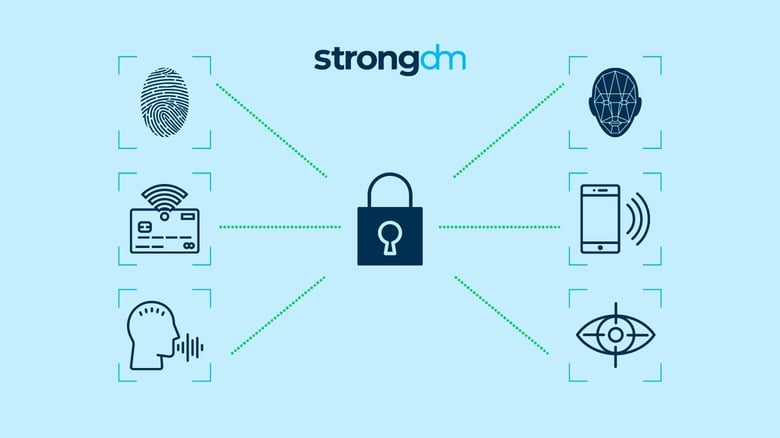
The most common trap is confusing convenience with true passwordless architecture. A system that still relies on a shared secret—whether a PIN, a hardware token, or a memorized phrase—is not passwordless. It is merely a different layer of authentication. True passkey wallets eliminate the shared secret entirely, anchoring identity to the device's secure enclave.
Another misleading claim is the idea that all biometrics are equally secure. Some implementations store biometric templates on remote servers, creating a single point of failure. Others use local-only storage, which is significantly more robust. Always verify where the biometric data lives and how it is transmitted.
Finally, beware of solutions that require constant internet connectivity for every transaction. While some passkey implementations do rely on cloud-based verifiers, others work entirely offline. Offline capability is a critical feature for users who prioritize privacy and resilience over convenience.
Passkey wallets: practical: what to check next
Passkey wallets represent a shift from remembering secrets to proving identity through biometrics and device hardware. This approach removes the friction of seed phrases while maintaining cryptographic security. Below are the most common practical objections and how the technology addresses them.
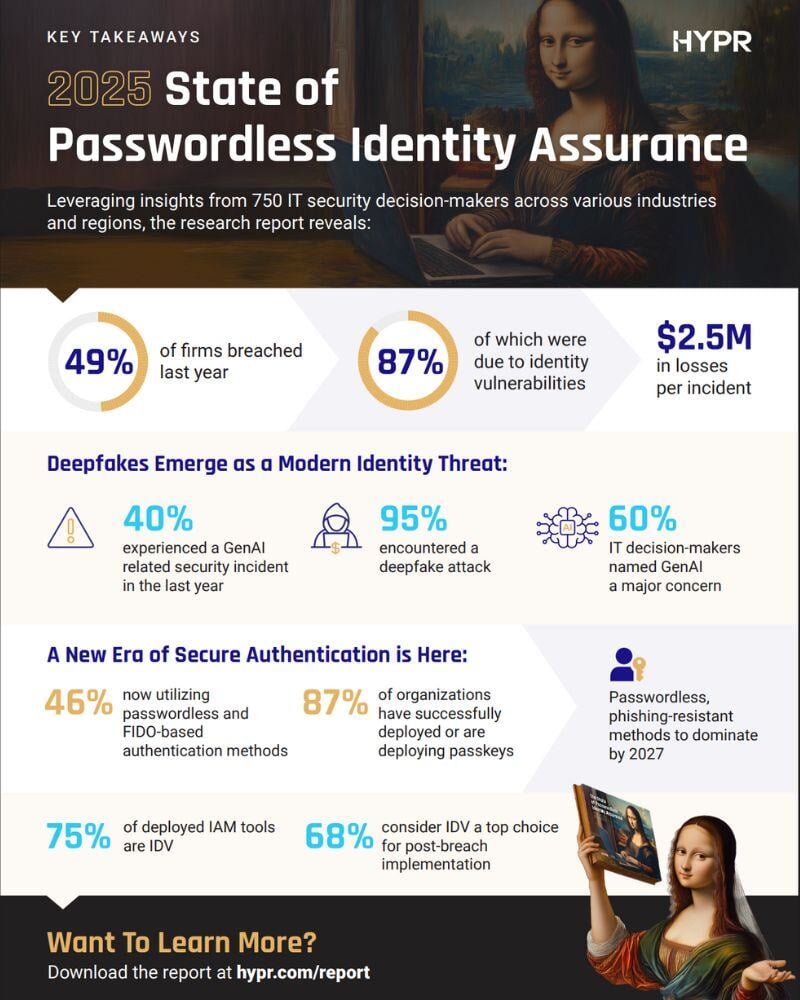
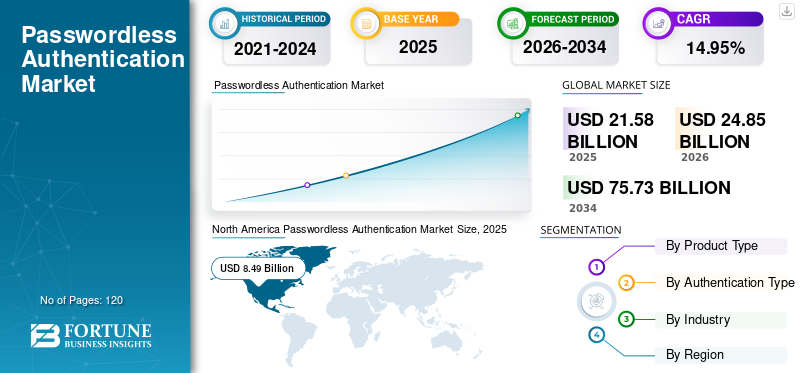
The transition to passwordless authentication is not just about convenience; it is about reducing the attack surface. By moving away from shared secrets, we move toward verified identity. This makes 2026 a pivotal year for mainstream adoption.
No comments yet. Be the first to share your thoughts!