
Passkey wallet limits to account for
Choosing the right passkey wallet requires balancing security, convenience, and device dependency. The core tradeoff is clear: you gain phishing resistance and easier onboarding, but you tie your assets to your physical hardware. A practical choice should survive normal use, maintenance, timing, and budget constraints.
If a recommendation only works in an ideal situation, call that out plainly and give the reader a fallback path. Start with your actual constraint—such as needing cross-chain compatibility or robust recovery options—then separate must-have requirements from nice-to-have features.
Passkey wallet choices that change the plan
Not all passkey implementations are equal. Some wallets offer seamless cross-chain signing via Ethereum Account Abstraction (ERC-4337), while others are limited to single-chain ecosystems. Your choice depends on whether you prioritize ease of use across multiple networks or strict isolation of assets.
When evaluating options, look for wallets that abstract the underlying chain, allowing you to sign transactions on Ethereum, Solana, or Base using the same biometric prompt. Single-chain wallets limit your ability to interact with the broader Web3 ecosystem efficiently.
| Factor | What to check | Why it matters |
|---|---|---|
| Fit | Match the option to the primary use case. | A good deal still fails if it does not fit the job. |
| Condition | Verify age, wear, and service history. | Hidden condition issues erase upfront savings. |
| Cost | Compare purchase price with likely upkeep. | The cheapest option is not always the lowest-cost option. |
How to Choose the Right Passkey Wallet
Passkeys turn biometric data into cryptographic keys, removing the need for seed phrases and reducing the risk of phishing attacks. However, not all implementations offer the same level of security or compatibility. Choosing a passkey wallet requires evaluating how the device stores the private key, whether the provider supports cross-chain transactions, and how recovery works if your phone is lost.
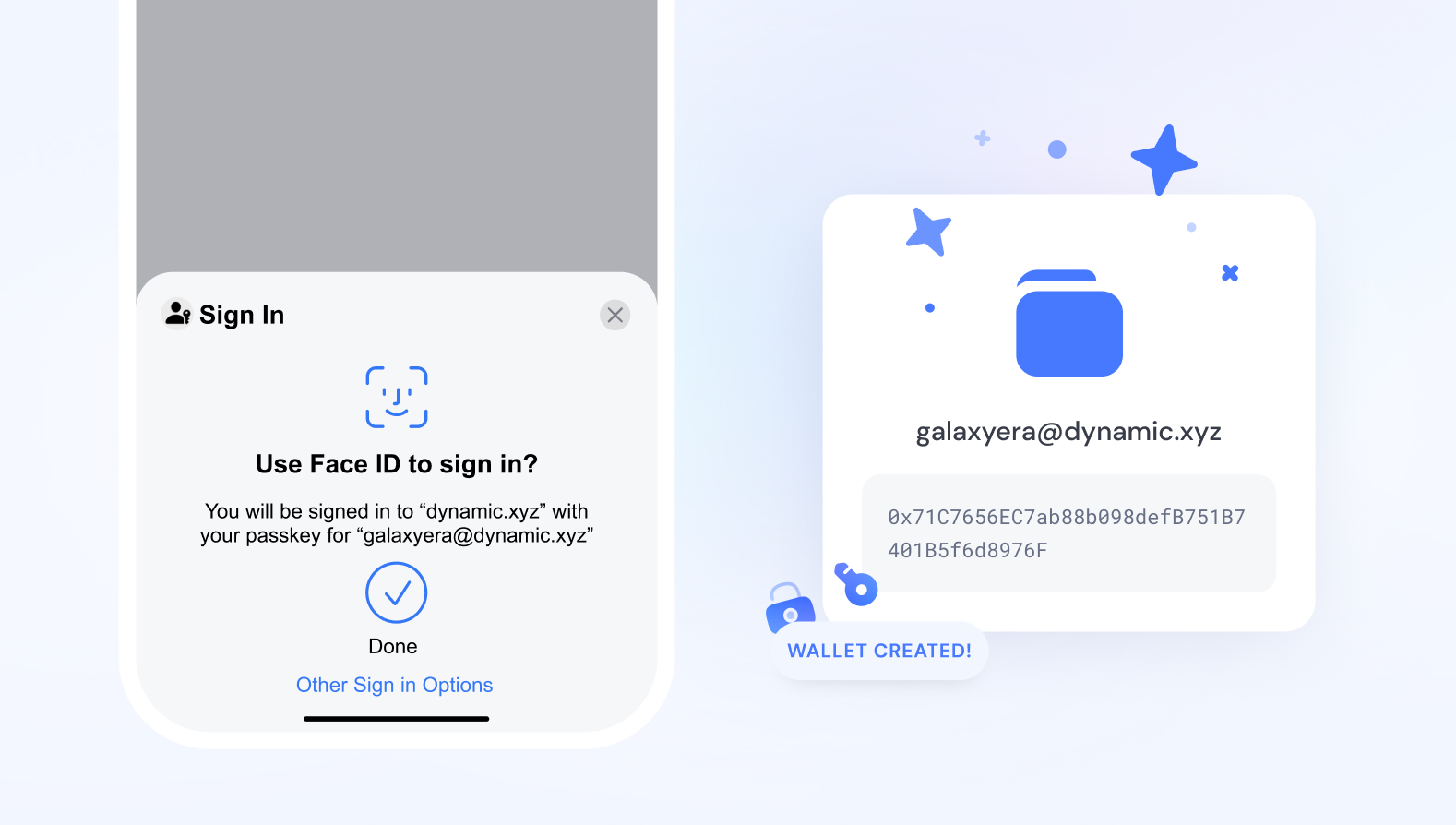
Ensure the wallet stores the private key in a Secure Enclave or Trusted Execution Environment (TEE). This isolates the key from the operating system, preventing malware from extracting it even if the device is compromised. Avoid solutions that store keys in standard file storage or cloud backups without hardware encryption.
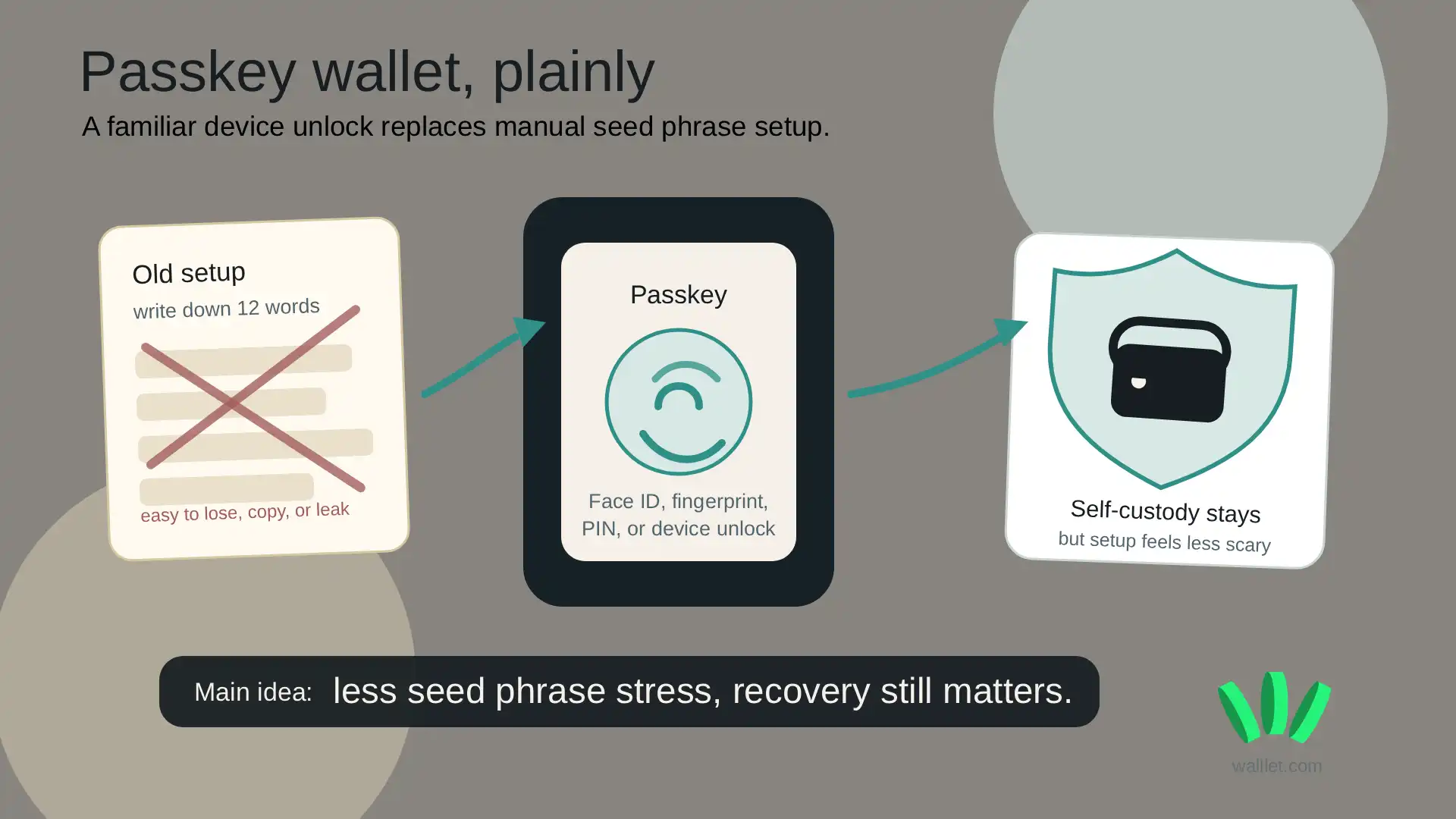
Passkeys are most useful when they work across different blockchains. Choose a wallet that abstracts the underlying chain, allowing you to sign transactions on Ethereum, Solana, or Base using the same biometric prompt. Single-chain wallets limit your ability to interact with the broader Web3 ecosystem efficiently.
Biometric data cannot be reset if your device is lost. The best passkey wallets offer social recovery or multi-party computation (MPC) options, allowing trusted contacts or backup keys to restore access. Without a robust recovery path, losing your device could mean permanent loss of funds.
| Feature | Passkey Wallet | Traditional Wallet |
|---|---|---|
| Phishing Resistance | High | Low |
| Recovery | Social/MPC | Secret Phrase |
| Hardware Dependency | Yes | No |
The decision ultimately depends on your risk tolerance. Passkey wallets offer superior security against phishing and easier onboarding, but they tie your assets to your physical device. If you prioritize ease of use and security, a passkey wallet is the logical next step for 2026. If you require absolute control without device dependency, traditional seed phrases remain relevant, though increasingly fragile.
Avoid the weak options
Some passkey implementations lack robust recovery options or are locked into specific ecosystems. Avoid wallets that do not support social recovery or multi-party computation, as these create single points of failure. Additionally, steer clear of providers that store private keys in cloud backups without hardware encryption, as this undermines the security benefits of passkeys.
When evaluating options, look for wallets that abstract the underlying chain, allowing you to sign transactions on Ethereum, Solana, or Base using the same biometric prompt. Single-chain wallets limit your ability to interact with the broader Web3 ecosystem efficiently.
Passkey wallet: what to check next
Passkeys are changing how we think about digital security, but they also bring new questions. Here are the most common concerns readers have before switching from seed phrases to biometric authentication.
Can a passkey get hacked?
While no system is immune to attacks, passkeys are significantly harder to compromise than traditional passwords. Because they rely on public-key cryptography and local biometric verification (like FaceID or TouchID), they are not vulnerable to phishing or keylogging attacks. Even if a server is breached, attackers cannot steal your private key, as it never leaves your device.
Where do I find my passkey?
Your passkey lives in your device’s built-in credential manager, not in a file or app. On iOS and Android, it is managed by your system’s password and keychain settings. You do not need to back up a separate recovery phrase; instead, your passkey is synced across your trusted devices via iCloud Keychain or Google Password Manager, provided you have two-factor authentication enabled on your account.
How to find passkey for base wallet?
If you are using Coinbase’s Base network, you can access your passkey through the Smart Wallet settings. Navigate to your profile menu, select "Security," and look for the "Passkey" section. If you set up your wallet using a passkey, you will see it listed here. You can also use it to sign in to the Base app without entering a password or recovery phrase.
What are the downsides of passkeys?
The main risk is device dependency. If you lose your phone and do not have access to your other synced devices, you could be locked out of your wallet. Additionally, if you switch to a new phone, you must ensure your passkey is properly transferred to the new device before deleting the old one. Unlike seed phrases, which can be written down on paper, passkeys are tied to your digital ecosystem.
No comments yet. Be the first to share your thoughts!