
What makes passkey wallets different
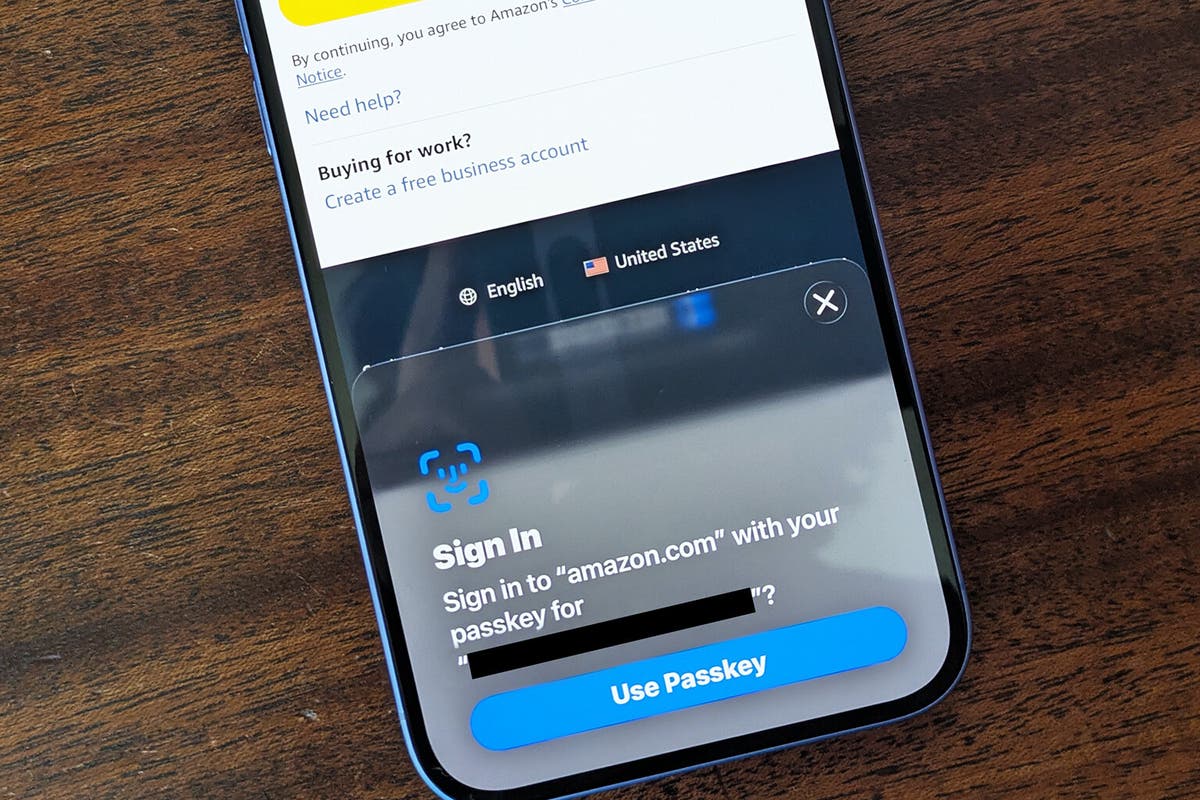
A passkey wallet is a Web3 smart account that replaces traditional seed phrases with biometric authentication methods like FaceID or TouchID. It relies on the FIDO2 and WebAuthn standards to manage cryptographic keys in a way that mirrors modern consumer electronics rather than legacy crypto infrastructure. Instead of managing a random string of words, the wallet stores a P-256 key pair in dedicated tamper-resistant hardware on your device. Every signature is gated behind biometrics or a PIN, meaning the private key never leaves the secure enclave and is never exposed to the operating system or any external server.
This architecture fundamentally changes how you interact with your assets. In a traditional Externally Owned Account (EOA), you hold the seed phrase yourself. If you lose it, your funds are gone forever. If someone guesses or steals it, they own your assets. A passkey wallet shifts the burden of key management to the device manufacturer and the operating system, which have a vested interest in protecting your biometric data. The result is a wallet that feels like a standard app but operates with the security guarantees of a hardware wallet.
FIDO2 CertifiedThe security model is also resistant to the most common attack vectors in Web3. Because the private key is never stored on a server, it cannot be stolen in a data breach. There is no shared secret to phish, steal, or brute-force. This makes passkey wallets a significant upgrade in usability and security for the average user, even as they introduce new dependencies on device security and account recovery processes.
Biometrics vs. mnemonics: how passkey wallets change the security model
The shift from seed phrases to passkey wallets replaces a shared secret with public-key cryptography anchored to your device. Passkeys use biometric authentication methods like FaceID or TouchID, meaning your private key never leaves your hardware and is never stored on a server where it can be stolen in a data breach [src-malwarebytes]. This eliminates the phishing vector entirely, as there is no shared secret for attackers to trick you into entering [src-spycloud].
Seed phrases, by contrast, are a single point of failure. If you write down a 12-word mnemonic, it becomes a physical target. Anyone with access to that paper or photo can drain your wallet. Passkey wallets remove this risk by tying access to your device’s secure enclave. If someone has access to your unlocked device, they may be able to authenticate, but they cannot extract the key to use elsewhere [src-stickypassword].
The table below compares the two models across key security dimensions.
| Feature | Passkey Wallet | Seed Phrase Wallet |
|---|---|---|
| Phishing Resistance | High (no shared secret) | Low (secret can be faked) |
| Data Breach Risk | None (keys stay on device) | High (if list is leaked) |
| Recovery Method | Biometric or device sync | Manual mnemonic entry |
| Physical Security | Device lock (FaceID/TouchID) | Paper/digital storage |
This security upgrade is particularly relevant as market volatility increases, as seen in recent Bitcoin price movements. The
provides additional context on market trends, though passkey security remains independent of asset price action.While passkeys offer superior phishing resistance, they introduce a new dependency: device access. If your phone is lost or stolen, you must rely on your recovery options, which are often tied to the same ecosystem [src-coinbase]. Seed phrases, while risky, offer a portable backup that works across any compatible wallet. However, for most users, the convenience and security of biometric authentication make passkey wallets the safer default choice in 2026.
What happens if you lose your phone?
The biggest fear for anyone switching to a passkey wallet is losing access to their device. With a seed phrase, the solution is simple: write down twelve words and recover on any hardware. Passkey wallets rely on account abstraction and cloud sync, which changes the recovery process entirely. You don’t lose your funds, but you do need a different plan to get them back.
Cloud Sync and Backup
Most passkey wallets integrate with your device’s native cloud backup (iCloud Keychain on iOS or Google Password Manager on Android). When you set up a new phone, you sign in with your Apple or Google account, and your passkeys sync automatically. This makes recovery seamless for most users, provided you still have access to your primary email or phone number for account verification.
If you lose your old phone, you simply buy a new one, log into your cloud provider, and restore your passkeys. Your biometric data (FaceID or fingerprint) is never stored in the cloud, but the cryptographic keys derived from your passkey are. This means the security model shifts from "protecting a physical object" to "protecting your cloud account credentials."
Recovery Paths Without a Seed Phrase
Some providers offer additional recovery layers through email or social logins. For example, wallets like Passkeys Wallet allow you to link an email address for account recovery. If you lose your device, you can initiate a recovery flow via email verification rather than entering a 12-word mnemonic. This is more convenient but introduces a slight dependency on your email provider’s security.
The Tradeoff: Convenience vs. Control
The main risk here is account takeover. If a hacker gains access to your iCloud or Google account, they may be able to reset your passkeys and access your crypto. This is why it’s critical to secure your cloud accounts with strong, unique passwords and two-factor authentication (2FA). Unlike a seed phrase, which is entirely offline and immune to remote hacking, your passkey recovery path is tied to online services.
For most users, this tradeoff is worth it. The convenience of not managing a seed phrase outweighs the small risk of cloud account compromise, especially if you already secure your primary email with 2FA. However, if you hold large amounts of crypto, consider keeping a small backup seed phrase for your most critical wallets as a failsafe.
Passkey wallet adoption and ERC-4337 integration
The shift from seed phrases to passkey wallets is accelerating as major platforms integrate account abstraction. These wallets use biometric authentication to replace the complex, high-risk seed phrase recovery process, making cryptocurrency more accessible to mainstream users. By leveraging ERC-4337 smart accounts, these solutions allow for better security, social recovery, and gasless transactions.
Current market leaders are rapidly adopting this standard. Coinbase Wallet now offers passkey support, allowing users to secure their assets with FaceID or TouchID. Similarly, Eco and Trust Wallet have rolled out features that enable biometric login, reducing the friction of onboarding new users while maintaining the non-custodial nature of Web3. This trend is supported by open-source implementations like the ERC-4337 Smart Wallet, which demonstrates how passkeys can control smart contract accounts securely.
The underlying technology relies on WebAuthn, ensuring that private keys never leave the user's device. This means they cannot be stolen in traditional data breaches or phished via fake websites. However, device access remains a critical factor; if a user's unlocked phone is accessed by another person, they may gain entry to their wallet. Despite this, the security benefits of passkey wallets significantly outweigh the risks of lost seed phrases for the average user.
To understand the broader market context, it is helpful to look at the performance of the underlying assets. As Ethereum continues to refine its account abstraction standards, the adoption of passkey wallets is likely to follow the growth trajectory of the network itself.
When to stick with seed phrases
Seed phrases remain the standard for cold storage, offering a level of autonomy that passkey wallets cannot match. While passkey wallets rely on device hardware and biometric checks, a seed phrase is a static string of words stored offline. This makes it immune to digital theft, remote exploits, or cloud provider failures. For high-stakes users managing significant assets, this "paper" security model provides a psychological and technical barrier that digital keys often lack.
The primary advantage of a seed phrase is its independence from technology. You do not need a smartphone, a specific operating system, or an active internet connection to access your funds. This is critical in regions with limited device access or unstable infrastructure. If your hardware fails, your funds are not locked away; they are recoverable anywhere in the world with a compatible wallet app. This portability ensures that your assets are not held hostage by a single device manufacturer or a regional tech outage.
However, this approach requires strict physical discipline. A seed phrase must be kept in a secure, fireproof location, such as a safe or safety deposit box. If the paper is lost, damaged, or stolen, the funds are gone forever. There is no customer support to reset a seed phrase. This trade-off—maximum security for maximum responsibility—is why many institutional investors and long-term holders still prefer the traditional seed phrase model over the convenience of passkey wallets.
Common questions about passkey security
Passkey wallets shift the security model from memorizing a secret phrase to relying on device-bound cryptography. This approach eliminates server-side storage of your private key, which fundamentally changes how attacks succeed or fail. Below are the most frequent questions regarding these systems.
The core advantage is that passkeys use public-key cryptography to create a unique digital key for your wallet that never leaves your device. This makes them significantly more resistant to phishing and large-scale data breaches than traditional password-based systems [Coinbase]. However, the trade-off is that you cannot simply write down a recovery phrase on paper; you must manage device backups or account recovery options provided by the wallet service.
No comments yet. Be the first to share your thoughts!