
What a passkey wallet actually is
A passkey wallet is a digital wallet that uses passkeys—cryptographic keys designed to replace passwords—for authentication. According to the Passkeys Foundation, this setup allows users to create a wallet and complete transactions without traditional password entry. The system relies on public-key cryptography: your device holds the private key, while the service holds the public key. This eliminates the risk of password theft through phishing or database breaches.
Several platforms have launched dedicated passkey wallets to streamline onboarding. Exodus, for example, offers a Passkey Wallet that can be embedded in other platforms or used as a standalone application. This approach aims to provide a frictionless experience for web3 users who might find traditional seed phrases or password managers cumbersome. By integrating passkeys, these wallets reduce the cognitive load of managing multiple credentials.
The primary advantage is security through simplicity. Since the private key never leaves your device and is protected by your device’s biometric or PIN lock, the attack surface is significantly smaller. However, this convenience comes with specific constraints. You must manage the device holding your private key carefully, as losing access to that device can mean losing access to your funds if recovery options are not properly configured.
Passkey wallet choices that change the plan
Use this section to make the Why is the Year of Passwordless decision easier to compare in real life, not just on paper. Start with the reader's actual constraint, then separate must-have requirements from details that are merely nice to have. A practical choice should survive normal use, maintenance, timing, and budget. If a recommendation only works in an ideal situation, call that out plainly and give the reader a fallback path.
Choose the right passkey wallet for your setup
Deciding which passkey wallet to adopt depends on how you currently manage your digital assets. The market has split into two distinct paths: browser-native wallets embedded in your operating system, and standalone crypto wallets that bridge Web2 convenience with Web3 security. Your choice should hinge on whether you prioritize universal compatibility or cross-platform portability.

Most modern browsers already include passkey support. Chrome, Edge, and Firefox sync these keys to your cloud account, meaning you can log into any site on any device using your fingerprint or face ID. This is the lowest-friction option for Web2 users who want to ditch passwords without installing new software.
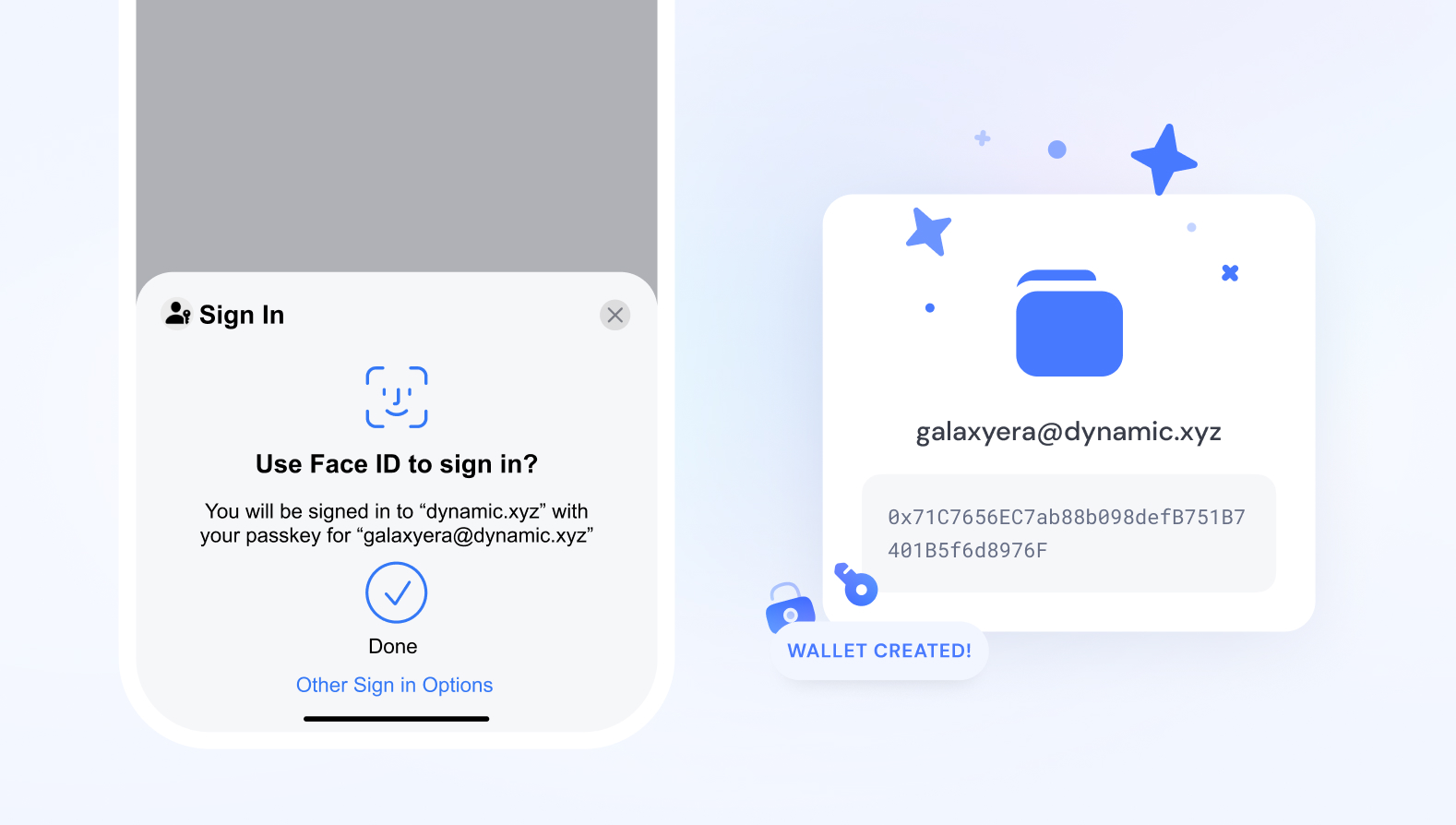
If you hold crypto assets, a dedicated wallet like Exodus or Trust Wallet offers better control. These wallets generate passkeys that are not tied to a single browser or OS. They allow you to sign transactions for decentralized applications (dApps) while keeping your public keys secure, bridging the gap between traditional login convenience and blockchain security.

Before committing, test how the wallet handles device switches. Browser-native passkeys sync automatically within the same ecosystem (Apple to Apple, Google to Google). Standalone wallets often use seed phrases or backup codes for recovery. Ensure your chosen provider offers a clear recovery path, as losing access to your device can lock you out if sync isn’t properly configured.
Not every service supports passkeys yet. Verify that your primary banking, email, and crypto exchange accounts have enabled the feature. The Passkeys Foundation notes that adoption is accelerating, but legacy systems still rely on SMS or email codes. A hybrid approach is often necessary until full compatibility is achieved across all your critical accounts.
Avoid weak passkey options
Not all passwordless implementations are built equal. Some wallets treat passkeys as a marketing afterthought, leading to friction when you try to log in or sign transactions. Here are the common weak options to watch out for.
Browser-only storage traps
Some wallets store passkeys exclusively in the browser’s local storage. This works for simple web logins but fails for cross-device needs. If you switch phones or clear your cache, you lose access. Look for solutions that sync keys across devices via your operating system’s secure enclave, not just the browser profile.
Proprietary export limits
True security means you own your keys. Weak options lock passkeys into their specific app ecosystem. If the provider shuts down or changes its terms, you might be stranded. Ensure the wallet supports standard WebAuthn export or allows you to move credentials to a different compliant client.
Poor phishing resistance
A passkey is only as strong as its domain binding. Some implementations fail to strictly bind the key to the specific origin. This makes it vulnerable to sophisticated phishing sites that mimic the login page. Always verify that the wallet enforces strict domain binding and warns you if the origin doesn’t match exactly.
Passkey wallet: what to check next
Passkeys shift the burden of security from your memory to your device, but that tradeoff introduces new realities for crypto users. Before switching, it helps to know where the keys live, what goes wrong when they break, and how to actually get started.
What are the downsides of passkeys?
The main risk is device dependency. If you lose your phone or computer, you can’t access your wallet without a backup method. Unlike seed phrases, which are just text you can write down, passkeys are tied to specific hardware. Recovery often requires setting up a second device or using account recovery flows that vary by provider. There’s also less portability between different wallet ecosystems compared to standard seed phrase wallets.
Where do I find my passkey?
Your passkey lives in your device’s secure enclave, not in a file you can easily copy. On iOS, check Settings > Passwords. On Android, look in Settings > Google > Autofill > Autofill with Google. On Windows, it’s under Settings > Accounts > Sign-in options. In a browser, visit the site’s security settings or password manager to view or export available passkeys.
Is passkey really safe?
Yes, because they use public-key cryptography. The private key never leaves your device, and biometrics or a PIN unlock it locally. This makes phishing nearly impossible since the key is bound to the specific website or app domain. Even if a server is breached, attackers can’t steal your passkey because there is no password to crack.
How do I get a passkey?
Most modern wallets like Exodus or Coinbase Wallet now offer passkey creation during onboarding. You simply enable biometric authentication (Face ID, Touch ID, or Windows Hello) when setting up the wallet. The system generates the key pair and stores it in your device’s hardware security module, ready for signing transactions without a password or seed phrase.
No comments yet. Be the first to share your thoughts!