
Get your passkey wallet right
Before you begin migrating your credentials, ensure your environment is ready for a zero-trust architecture. A passkey wallet relies on local biometric verification and public-key cryptography, meaning the security chain is only as strong as your device’s authentication methods.
Check your device compatibility. Most modern smartphones and laptops support FIDO2 standards. Verify that your primary device has a functioning fingerprint sensor, face ID, or PIN lock. If you are using a desktop, ensure your operating system is up to date to support the latest WebAuthn protocols.
Secure your recovery options. Unlike traditional passwords, you cannot simply "reset" a passkey if you lose access to your authenticator device. Before migrating, generate and store your recovery codes in a secure, offline location. Test that you can access your wallet using these codes in a simulated scenario.
Verify account support. Not all services have fully implemented passkey login. Check your most critical accounts—email, banking, and cloud storage—to confirm they accept passkeys. Migrating an unsupported account may lock you out if you delete the old password prematurely.
Work through the steps
2026 guide: How to Migrate Your Passwords to a Passkey Wallet for Zero-Trust Security works best as a clear sequence: define the constraint, compare the realistic options, test the tradeoff, and choose the path with the fewest hidden costs. That order keeps the advice usable instead of decorative. After each step, pause long enough to check whether the recommendation still fits the reader's actual situation. If it depends on perfect timing, unusual access, or a best-case budget, include a simpler fallback.
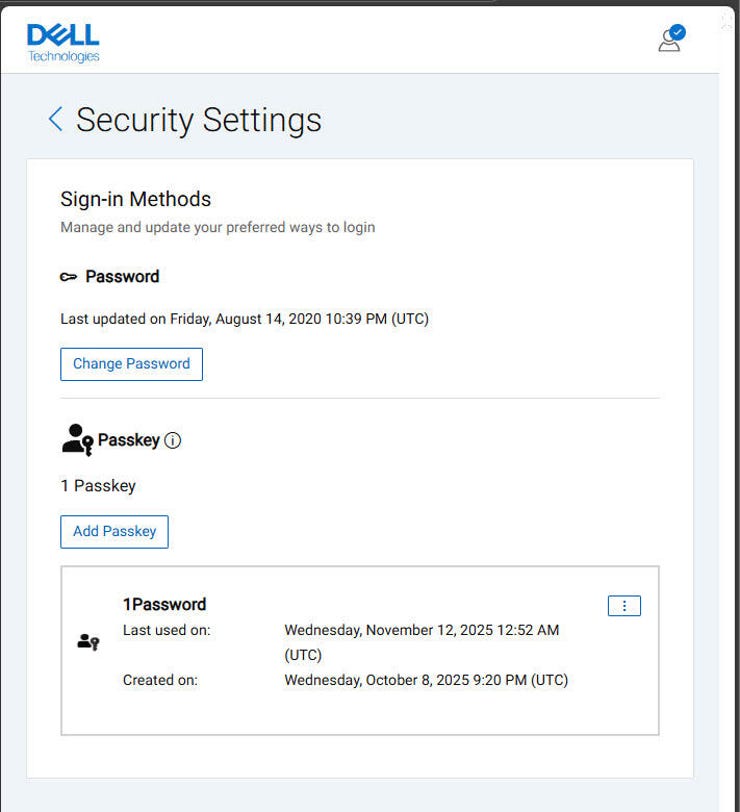
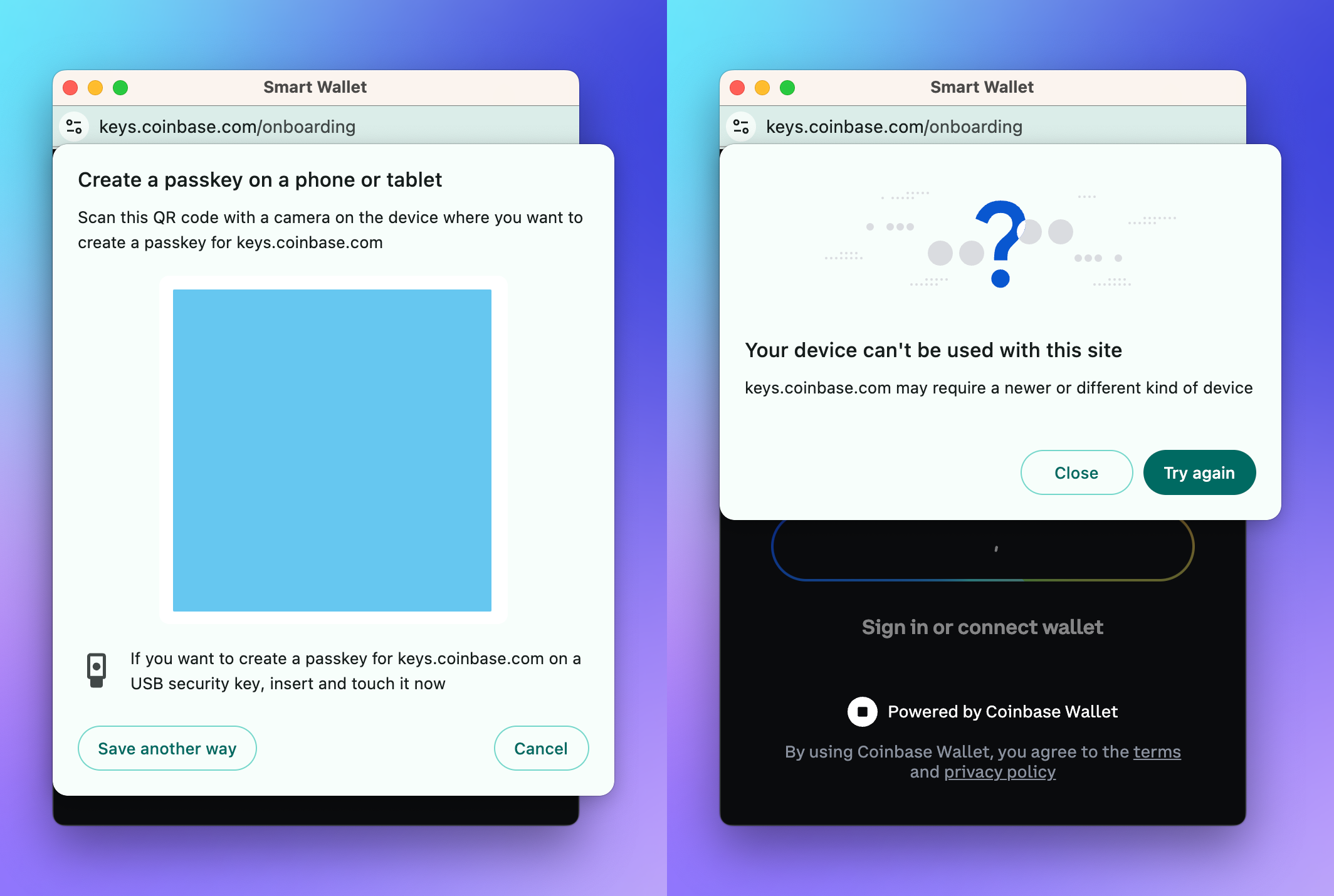

Fix common mistakes
Migrating to a passkey wallet sounds simpler than it is. The cryptography is robust, but user error remains the primary attack vector. These are the three mistakes that break the zero-trust promise.
Skipping the seed phrase backup
The biggest misconception is that passkeys are self-healing. They are not. If you lose access to your device or the authenticator app fails, you lose your keys. Many users treat the wallet like a bank account that offers password resets. It doesn’t.
You must export and securely store the recovery seed phrase before you begin. Store it offline. If you wait until after migration, you might find the export option disabled or the wallet locked. Treat the seed phrase as the master key to your entire digital identity.
Using weak device authentication
Passkeys rely on your device’s biometric or PIN lock. If your phone’s screen lock is a simple four-digit PIN or your computer has no password, your passkeys are vulnerable to physical theft. The security of the passkey is only as strong as the local authentication method.
Upgrade your device security before migrating. Enable complex PINs or biometrics. Ensure your operating system and browser are updated to support the latest WebAuthn standards. A weak local lock defeats the purpose of moving away from passwords.
Assuming all services support passkeys equally
Not every platform handles passkey migration the same way. Some require you to register the passkey on a new device first, while others allow direct import from password managers. Assuming a universal process leads to locked accounts.
Check the specific documentation for your primary services. Some legacy platforms may only support passkeys for login, not for transaction signing. Verify support levels before deleting your old passwords. If a service doesn’t support passkey import, you may need to create a new account and manually transfer assets, which introduces significant risk.
Passkey wallet: what to check next
Before you migrate your passwords, it helps to understand the tradeoffs between convenience and control. Passkey wallets replace traditional seed phrases with device-bound cryptographic keys, but they introduce new dependencies on your hardware.
No comments yet. Be the first to share your thoughts!