
Passkey Wallets Defined
A passkey wallet is a Web3 smart account that replaces traditional seed phrases with biometric authentication methods like FaceID or TouchID [src-serp-7]. This architecture shifts the security model from shared secrets to device-bound cryptography. Unlike password managers, which store a master secret that can be phished if compromised, passkey wallets use private keys that never leave the user's device. The biometric check acts as the unlock mechanism, but the actual cryptographic proof happens locally.
This device-bound nature creates a significant barrier to remote attacks. A password manager relies on a single point of failure: the master password. If an attacker obtains that master password, they can access every credential stored within. Passkey wallets eliminate this risk by tying the key to specific hardware. Even if a user's device is lost, the key cannot be extracted without the physical device and the biometric factor. This makes passkey wallets inherently more secure for high-value transactions.
The user experience is also fundamentally different. Instead of remembering complex strings or managing a vault, users interact with their wallet through familiar biometric prompts. This simplifies blockchain interactions and sharpens the product's UX [src-serp-1]. The onboarding process becomes a matter of linking a trusted device rather than memorizing a recovery phrase. This shift is critical for mass adoption, as it removes the technical friction that has historically limited wallet usage.
The distinction matters because it changes who controls the keys. Password managers are intermediaries; they hold the keys to your digital identity. Passkey wallets are custodial in a different sense—they are custodial of the device, not the user. The user retains full control, but the burden of security is shared with the hardware manufacturer. This model is better suited for the high-stakes environment of financial security, where the cost of a breach is existential.
Security tradeoffs explained
The shift from password managers to passkey wallets represents a fundamental change in how digital assets are protected. Password managers rely on a centralized database of encrypted credentials. While this model has served the industry well, it creates a single point of failure. If an attacker breaches the password manager’s master encryption, they gain access to a user’s entire digital identity across every linked service.
Passkey wallets eliminate this centralized risk by design. Instead of storing secrets on a remote server, they use public-key cryptography to generate unique digital keys stored locally on the user’s device. The private key never leaves the secure hardware module, such as a Trusted Execution Environment (TEE) or Secure Enclave. This local storage model means there is no central database for hackers to target, significantly reducing the attack surface for large-scale credential theft.
The security advantage of passkey wallets extends to phishing resistance. Traditional passwords can be typed into fake login pages, tricking users into surrendering their credentials. Because passkeys are bound to the specific domain and origin of the application, they will not authenticate on fraudulent sites. A passkey generated for example.com will simply fail to work on a phishing site like example-login.com. This cryptographic binding provides a layer of security that password managers cannot replicate, as they still require the user to manually enter a secret that can be intercepted.
While passkey wallets offer superior protection against remote breaches, they introduce new considerations for key recovery. If a device is lost, the local private key may be inaccessible without proper backup mechanisms. However, the tradeoff is clear: sacrificing the convenience of a centralized password vault for the robust, phishing-resistant security of device-bound cryptographic keys.
Adoption Trends in 2026
The shift toward passkey wallets is no longer a speculative experiment; it is becoming the default infrastructure for self-custody. In 2026, the friction of managing seed phrases is colliding with the demand for institutional-grade security, creating a market inflection point. Major platforms are moving beyond simple integration to embedding passkey wallets directly into the user journey, prioritizing device-based biometric authentication over complex mnemonic backups.
Coinbase has been a primary driver of this migration, upgrading its security architecture to allow users to generate passkeys directly within the mobile app. By navigating to the security settings and selecting the passkey option, users can replace traditional two-factor methods with a single, device-bound credential. This move signals a broader industry recognition that passkey wallets offer a superior balance of security and usability, particularly for onboarding new crypto participants who are deterred by the permanence of seed phrase errors.
On the Solana ecosystem, the adoption curve is steepening as wallets like Exodus integrate passkey technology to simplify blockchain interactions. These passkey wallets generate private keys locally on the device, encrypting them with the user’s biometric data. This approach eliminates the need for manual backup management while maintaining the non-custodial nature of the wallet. The result is a polished onboarding process that leverages authentication methods users already trust, such as Face ID or fingerprint scans.
The trajectory of user migration suggests a clear departure from legacy password managers for crypto-specific needs. While password managers remain useful for general web authentication, they lack the cryptographic depth and device-binding security required for high-value digital asset storage. Passkey wallets provide a specialized solution that aligns with the high-stakes nature of financial security in Web3. As major exchanges and wallet providers continue to standardize these protocols, the gap between traditional finance security and decentralized asset management continues to narrow.
Setting up your first passkey wallet
Migrating to passkey wallets removes the friction of seed phrase management while anchoring your assets to the biometric security of your device. This shift eliminates the single point of failure inherent in traditional password managers: the risk of a master password compromise or a lost recovery phrase. By leveraging public-key cryptography, passkeys ensure your private keys are generated locally and encrypted using hardware-backed security, such as Face ID or Touch ID.
The setup process is designed to be immediate, often completing in under a minute without the anxiety of transcribing alphanumeric strings. Below is the concrete workflow for establishing a passkey-secured wallet on a major platform like Coinbase Base.
Launch your wallet application and navigate to your account profile. Locate the security or identity verification section within the settings menu. This is the central hub for managing authentication methods and preparing for the passkey upgrade.

Choose the option to upgrade your two-factor authentication or set up a new login method. Select "Passkey" from the available security protocols. This action triggers the device's native operating system to prepare for biometric verification, ensuring the key is bound to your specific hardware.
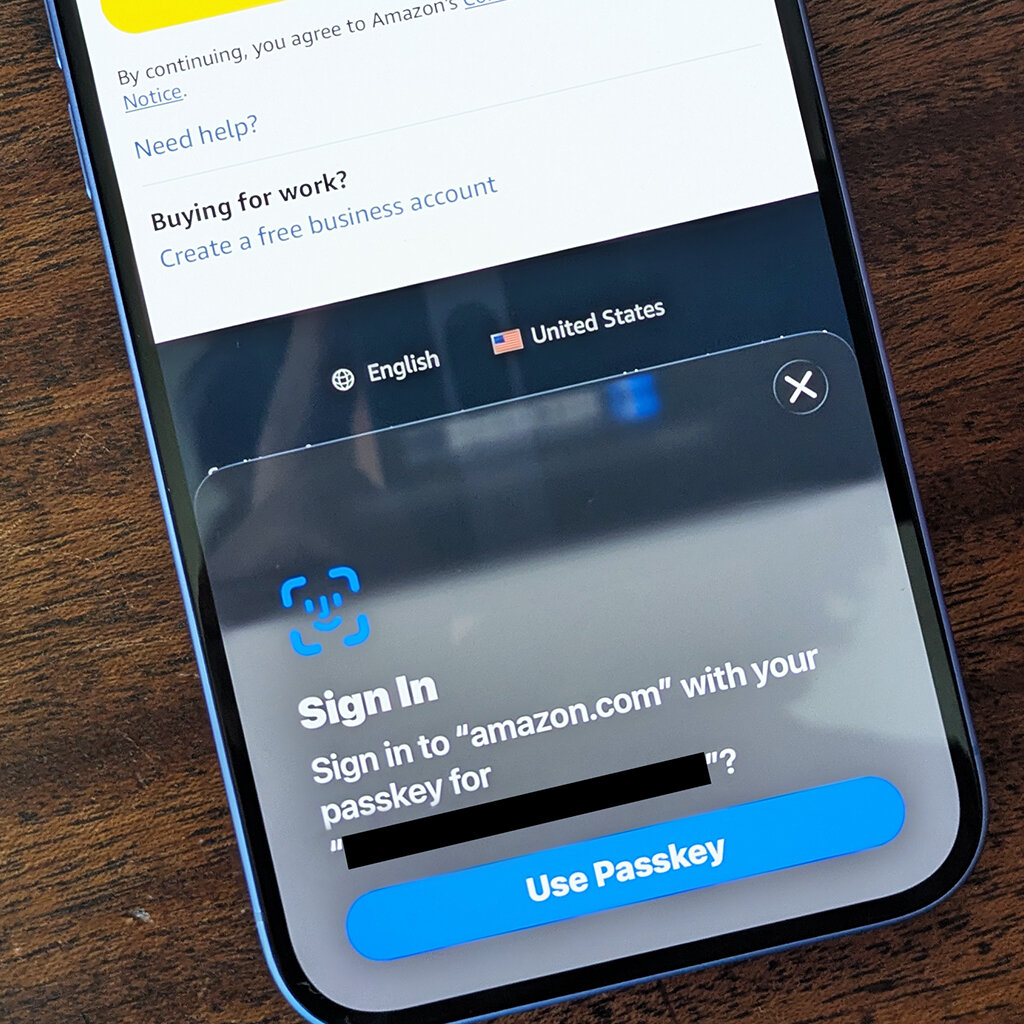
Follow the on-screen prompts to authenticate using your device's fingerprint, Face ID, or PIN. This step generates the cryptographic key pair locally on your device. The private key never leaves your hardware, while the public key is registered with the wallet service for future verification.
Once biometric verification is complete, the wallet interface will confirm the successful creation of the passkey. You can now sign transactions and access your assets using the same biometric method. Your funds are secured by the device's secure enclave, removing the need for manual seed phrase backups.
This setup process highlights the core advantage of passkey wallets: security through convenience. By tying your wallet access to hardware-level biometrics, you eliminate the human error associated with writing down or storing seed phrases in digital documents. The result is a wallet that is as secure as the device in your pocket, with a user experience that rivals standard app logins.
Common questions about passkey wallets
Understanding how passkey wallets function is essential for securing your digital assets in 2026. These wallets leverage public-key cryptography to replace traditional passwords and recovery phrases, offering a more robust security layer. By anchoring authentication to your device’s biometrics or PIN, you eliminate the single point of failure inherent in written seed phrases.
What are passkey wallets?
Passkey wallets simplify blockchain interactions by replacing complex password management with device-based authentication. Instead of memorizing a recovery phrase, you use trusted methods like Face ID or a fingerprint. This approach sharpens the user experience while strengthening security, as the private key never leaves your secure enclave. It provides a polished onboarding process that feels familiar to users accustomed to modern smartphone security.
How to create a passkey for Base wallet?
Setting up a passkey on your Base wallet via Coinbase involves a few straightforward steps. First, sign in to your Coinbase account and open the mobile app. Navigate to the top left corner and select the nine-dot menu button. From there, choose Profile & Settings, then select the Security tab. You will find the option to Upgrade your two-factor authentication, where you can select Passkey to finalize the setup.
No comments yet. Be the first to share your thoughts!