
Passkey wallets 2026 adoption trends
Passkey wallets are shifting from experimental prototypes to institutional-grade infrastructure in 2026. This transition is driven by the urgent need to eliminate mnemonic phrase vulnerabilities while maintaining seamless user experiences. The following analysis compares adoption trajectories, security architectures, and recovery models to help stakeholders navigate this high-stakes environment.
How passkey wallets secure assets
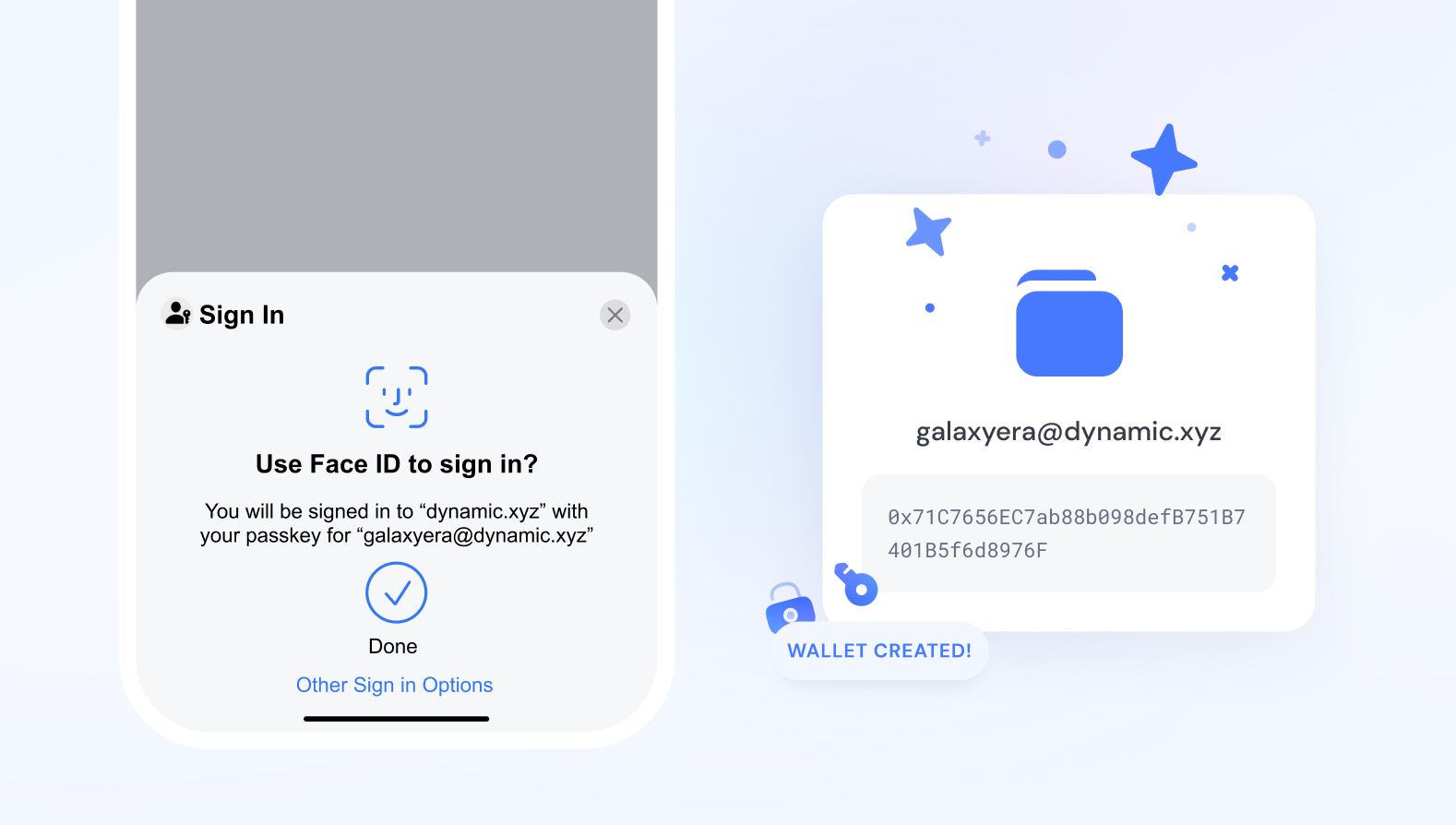
Passkey wallets shift the burden of security from memory to hardware. Instead of relying on a mnemonic phrase—a sequence of words that users often write down, share, or lose—these wallets use the WebAuthn standard to create device-bound cryptographic keys. This architecture ties the private key directly to the device’s secure enclave, such as a smartphone’s Face ID sensor or a laptop’s fingerprint reader. As noted by the Passkeys Foundation, this approach offers superior user experience by leveraging authentication methods users already trust and use daily.
The security model relies on public-key cryptography managed by the device authenticator. When a user initiates a transaction, the device signs the request locally. The private key never leaves the secure hardware; only the signature is transmitted to the blockchain. This contrasts sharply with traditional seed phrases, which are vulnerable to physical theft, phishing, and human error. If a mnemonic is compromised, an attacker can access all associated assets from anywhere. With a passkey, the key remains bound to the specific device, making remote theft significantly more difficult.
This device-bound nature introduces a new layer of resilience. If a device is lost, the key can often be recovered through linked devices or account recovery mechanisms supported by the identity provider, rather than forcing the user to recall a 12-word string. CertiK highlights that this mechanism allows users to authorize on-chain transactions with device authenticators, effectively removing the single point of failure inherent in mnemonic storage. The result is a security posture that aligns with modern digital identity standards, reducing the attack surface for crypto wallets.
Top passkey wallet comparisons
Selecting a passkey wallet requires evaluating fit, condition, and cost against specific operational constraints. A practical choice should survive normal use, maintenance, timing, and budget. If a recommendation only works in an ideal situation, call that out plainly and give the reader a fallback path.
| Factor | What to check | Why it matters |
|---|---|---|
| Fit | Match the option to the primary use case. | A good deal still fails if it does not fit the job. |
| Condition | Verify age, wear, and service history. | Hidden condition issues erase upfront savings. |
| Cost | Compare purchase price with likely upkeep. | The cheapest option is not always the lowest-cost option. |
Recovery models and platform risks
Recovery in passkey ecosystems depends heavily on the identity provider’s infrastructure. Unlike self-custody mnemonic wallets where the user is the sole backup, passkey wallets delegate recovery to cloud-based identity services (e.g., Apple ID, Google Account, Microsoft Account). This introduces a critical trade-off: convenience versus centralized risk.
While device-bound keys prevent remote theft, they create dependency on the identity provider’s availability. If the provider experiences an outage or implements stricter verification policies, asset access may be temporarily locked. Also, social engineering attacks targeting the identity provider account (phishing, SIM swapping) can bypass the hardware security layer. Users must assess whether their risk tolerance allows for this centralized dependency. For high-value holdings, multi-factor recovery options—such as linking multiple devices or using hardware security keys as secondary authenticators—are essential mitigation strategies.
No comments yet. Be the first to share your thoughts!