
The passkey wallet shift in 2026
Use this section to make the Passkey Wallets decision easier to compare in real life, not just on paper. Start with the reader's actual constraint, then separate must-have requirements from details that are merely nice to have. A practical choice should survive normal use, maintenance, timing, and budget. If a recommendation only works in an ideal situation, call that out plainly and give the reader a fallback path.
The simplest way to use this section is to write down the must-have criteria first, then compare each option against those criteria before weighing nice-to-have features.
How passkey wallets secure assets
Passkey wallets replace traditional private key management with WebAuthn, a protocol standardized by the FIDO Alliance. Instead of storing a long, random string of characters on a device or in a password manager, the wallet generates a unique public-private key pair. The private key never leaves the device’s secure enclave, while the public key is shared with the blockchain network. This architecture shifts the burden of security from user memory to hardware-backed cryptographic isolation.
Authentication relies on biometric verification or device PINs. When a transaction requires signing, the device prompts for a fingerprint or face scan. This process ensures that only the physical owner can authorize asset movements. Unlike traditional seed phrases, which are vulnerable to phishing if entered into malicious sites, passkeys are bound to the specific origin domain. A phishing site cannot trick the browser into signing a transaction on the wrong domain, effectively neutralizing the most common vector for crypto theft.
However, this security model is not absolute. Recent research indicates that passkeys can be compromised through sophisticated social engineering or if the underlying device security is breached. The Passkeys Foundation notes that while the technology offers a superior user experience, it introduces new failure modes related to cloud sync and device loss. Understanding these technical realities is essential for anyone adopting passwordless crypto security.
Why Passkey-Only Wallets Fail
Passkey-only wallets introduce specific failure modes that can strand assets or inflate transaction costs. While the user experience is streamlined, the technical reality involves heavy reliance on centralized infrastructure and complex cryptographic overhead.
Platform Lock-In
Passkey-only wallets are not truly decentralized. They depend on Apple’s iCloud Keychain or Google’s Password Manager for key storage and recovery. If a user loses access to their primary device or faces a platform-level account suspension, recovery becomes difficult. This centralization contradicts the core ethos of self-custody.
Gas Cost Penalties
Every transaction requires a separate signature from the authenticator device. This process is slower and often incurs higher gas fees compared to standard private key signing. The overhead of managing multiple signature rounds can make small-value transactions economically unviable, particularly on high-fee networks.
Domain Binding Issues
Passkeys are bound to specific domains. A wallet signed for app.example.com may not work for wallet.example.com. This fragmentation creates friction for users interacting with multiple dApps or migrating between platforms. It limits the portability of identity and assets across the broader Web3 ecosystem.
Top passkey wallet options for 2026
The market has shifted from experimental seedless prototypes to production-grade smart wallets. These options replace the private key with a WebAuthn passkey, leveraging the device’s secure enclave for signing transactions. This approach removes the burden of seed phrase management while maintaining non-custodial control over assets.
The following wallets represent the current standard for passkey adoption, categorized by their underlying security architecture. Each option balances ease of recovery against the technical complexity of the signing mechanism.

Coinbase Smart Wallet
Coinbase Smart Wallet uses a WebAuthn passkey as the primary signer, with iCloud Keychain or Google Password Manager cloud sync handling the backup. This model mirrors the passwordless shift seen in traditional finance, allowing users to recover access through their existing device ecosystems without a seed phrase. The wallet operates as a smart contract account, enabling features like social recovery and transaction simulation. However, reliance on cloud providers introduces a third-party dependency for credential storage, even if the private key itself never leaves the device.
ZenGo
ZenGo utilizes a Multi-Party Computation (MPC) model combined with biometric authentication. The private key is split between the user’s device and ZenGo’s cloud infrastructure, meaning the company never holds the full key but acts as a recovery agent. Users sign in with a face ID or fingerprint, and the MPC protocol reconstructs the signature on the fly. ZenGo claims zero hacks since 2018, citing the difficulty of compromising both the local device and the cloud shard simultaneously. This hybrid approach offers a middle ground between pure seedless and traditional custodial models.
Fibo (Privy)
Fibo leverages Privy’s infrastructure to offer passkey recovery for email and Google login accounts. This option is particularly relevant for users who want to onboard with familiar credentials while retaining self-custody. The passkey serves as the root of trust, with recovery mechanisms built into the Privy SDK. This setup reduces the friction of initial setup but requires trust in the underlying identity provider to validate the initial passkey creation.
Comparison of Recovery Models
| Wallet | Security Model | Recovery Method | Primary Signer |
|---|---|---|---|
| Coinbase Smart Wallet | Smart Contract (ERC-4337) | Cloud Passkey Backup | WebAuthn Passkey |
| ZenGo | MPC (2-of-2) | Biometric + Cloud Shard | Local Device Biometrics |
| Fibo | MPC via Privy | Email/Google Passkey | WebAuthn Passkey |
Compatible Hardware Security Keys
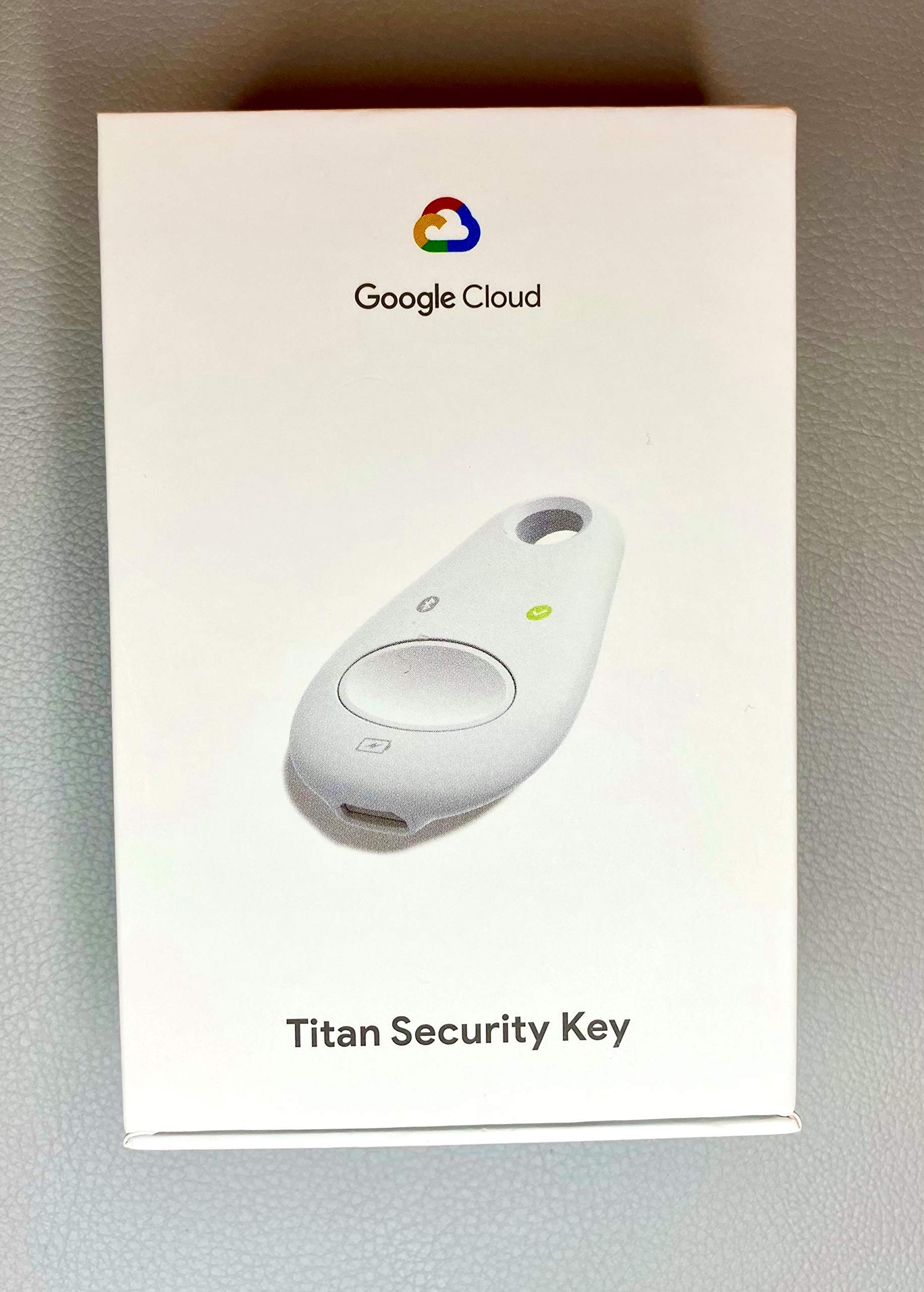
For users who prefer physical security keys over biometric device storage, several hardware options support the FIDO2/WebAuthn standards required by passkey wallets. These devices provide a higher level of phishing resistance by binding the passkey to a specific domain.


As an Amazon Associate, we may earn from qualifying purchases.
The choice of wallet depends on your risk tolerance regarding cloud dependency. Smart wallets offer the most flexibility for DeFi interactions, while MPC solutions like ZenGo provide a more traditional account recovery experience. Always verify that your chosen wallet supports the specific passkey type stored on your device.
Recovery Beyond the Passkey
A passkey is a robust primary signer, but it remains a single point of failure. If your device is lost, stolen, or locked out by a compromised cloud provider, your assets are inaccessible. Relying solely on biometric authentication ignores the reality of device loss and account recovery scenarios.
Social recovery and multi-party computation (MPC) architectures address this by distributing trust. Instead of one key, you use a threshold signature scheme where multiple parties—friends, family, or hardware backups—must collaborate to authorize a transaction. If you lose your phone, your designated guardians can help reconstruct access without exposing your private key to any single entity.
Multisig wallets offer a similar redundancy, requiring multiple distinct keys to sign off on transactions. While this adds friction, it eliminates the catastrophic risk of a single compromised credential. For high-value holdings, this hybrid approach is not optional; it is a technical necessity to prevent total asset loss.
Common Questions About Passkey Wallets
Passkey wallets represent a significant shift in how users interact with digital assets, moving away from seed phrases toward biometric authentication. However, this transition introduces specific technical realities and security considerations that differ from traditional crypto custody.
What exactly is a passkey?
A passkey is a cryptographic credential that replaces passwords with biometric verification, such as a fingerprint or facial recognition, performed on your device. Instead of typing a complex string, your phone or computer confirms your identity locally, making it significantly harder for attackers to steal credentials through phishing or database breaches. This method aligns with FIDO2 standards, which prioritize device-bound security over cloud-stored secrets.
Can passkeys actually be hacked?
While passkeys are more resistant to phishing than traditional passwords, they are not immune to attack. Recent research, including reports from Forbes, has identified new attack vectors that can compromise passkeys under specific conditions, such as social engineering or device-level malware. The "myth" that passkeys are unhackable is false; security depends heavily on the integrity of the endpoint device and the user's vigilance against sophisticated social engineering.
How do passkey wallets compare to seed phrases?
Passkey wallets offer a smoother user experience by eliminating the need to write down and store 12-24 word seed phrases. However, this convenience comes with a trade-off: recovery is tied to your device and biometric data. If you lose access to your device and lack a proper backup strategy, recovery can be more complex than with a self-custody seed phrase wallet, where the key is entirely under your physical control.
Is it safe to use passkeys for crypto?
For most users, passkeys provide a higher security baseline than password-based systems due to their resistance to remote phishing attacks. However, they introduce single points of failure related to device loss or OS vulnerabilities. It is essential to understand that while the credential itself is strong, the security of your funds ultimately depends on how well you protect the device that holds it.
No comments yet. Be the first to share your thoughts!