

In the high-stakes arena of cryptocurrency storage, where fortunes can vanish in an instant, traditional seed phrases have long been the Achilles' heel for even the savviest investors. As a veteran with two decades dissecting market cycles, I've seen how a single lapse in security turns long-term positions into cautionary tales. Enter seedless passkey wallets - WebAuthn-native innovations that ditch those cumbersome 12- or 24-word phrases for biometric, device-bound authentication. By March 2026, these solutions dominate the landscape, promising phishing-resistant crypto storage without sacrificing self-custody.
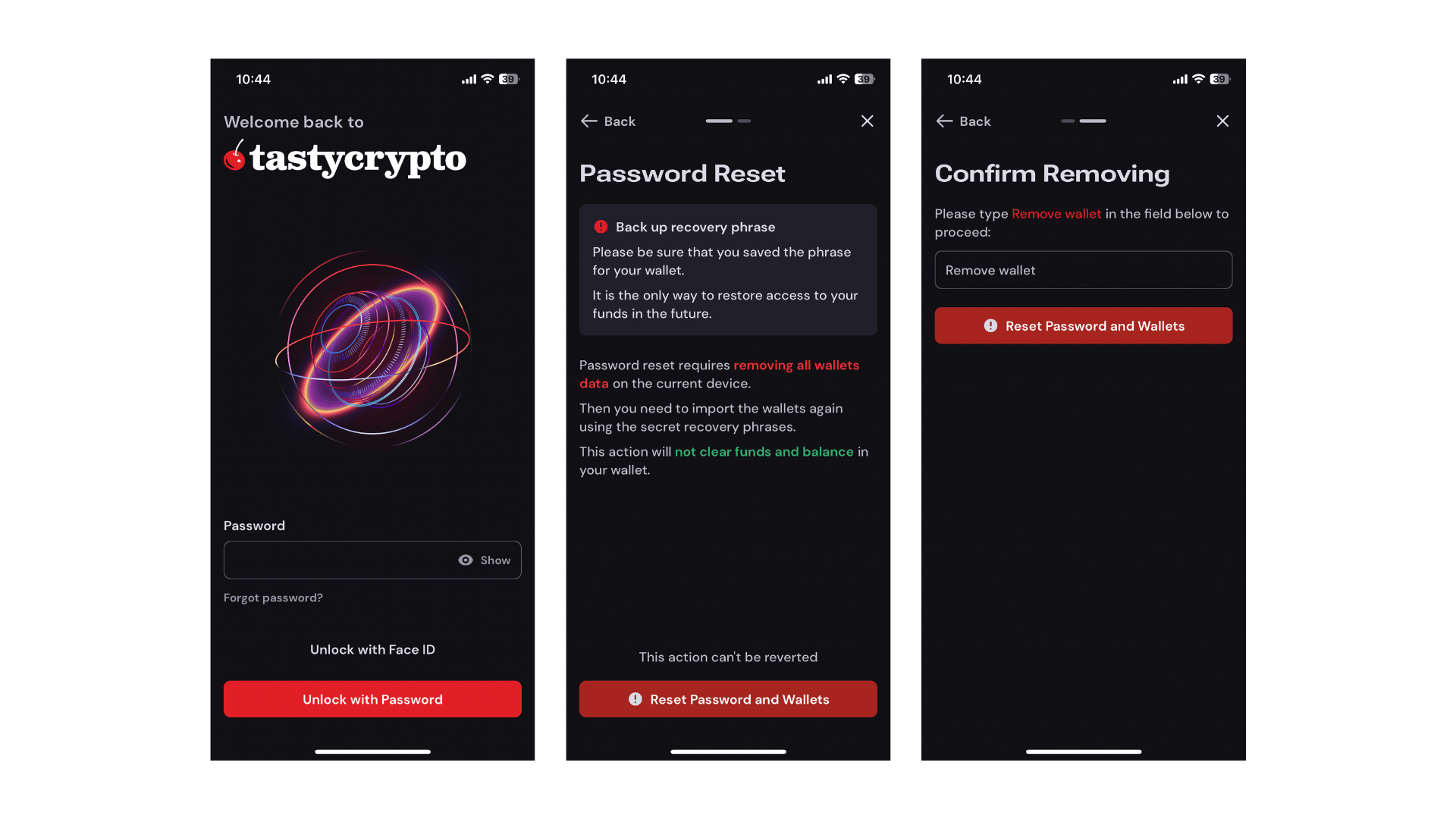
Picture this: no more scribbling mnemonics on paper scraps or etching them into metal plates, only to fret over fire, flood, or family members stumbling upon them. WebAuthn native crypto wallets leverage standards from the FIDO Alliance, generating public-private key pairs directly on your device. The private key never leaves its secure enclave, unlocked solely through biometrics like Face ID or fingerprint. This shift isn't hype; it's a methodical evolution driven by real-world vulnerabilities exposed in past hacks.
Exposing the Hidden Risks of Seed Phrases
Seed phrases embody decentralization's promise but falter under scrutiny. They're human-readable, making them easy targets for social engineering. Phishing sites mimic legitimate dApps, tricking users into entering phrases that grant full account control. Data from 2026 reports underscores this: millions lost annually to such scams. Moreover, physical loss - wallets, phones, hardware - leaves users locked out forever, no recourse beyond starting anew.
Top 5 Seed Phrase Risks
- 1. Phishing VulnerabilityAttackers use fake sites or emails to trick users into entering their 12-24 word seed phrases, granting full wallet access without technical exploits.

- 2. Loss or TheftPhysical backups like paper or metal plates can be lost, damaged, or stolen, resulting in irrecoverable funds with no secondary recovery options.
- 3. User Error in BackupTypos during transcription, poor storage choices, or forgetting locations lead to permanent fund loss due to the unforgiving nature of seed recovery.

- 4. Brute-Force PotentialWhile entropy is high (2128+), leaked partial phrases or weak generation enables computationally feasible attacks on vulnerable wallets.
- 5. Single Point of FailureThe seed phrase is the sole recovery mechanism; any compromise—digital or physical—exposes all assets with no built-in safeguards or multi-factor recovery.
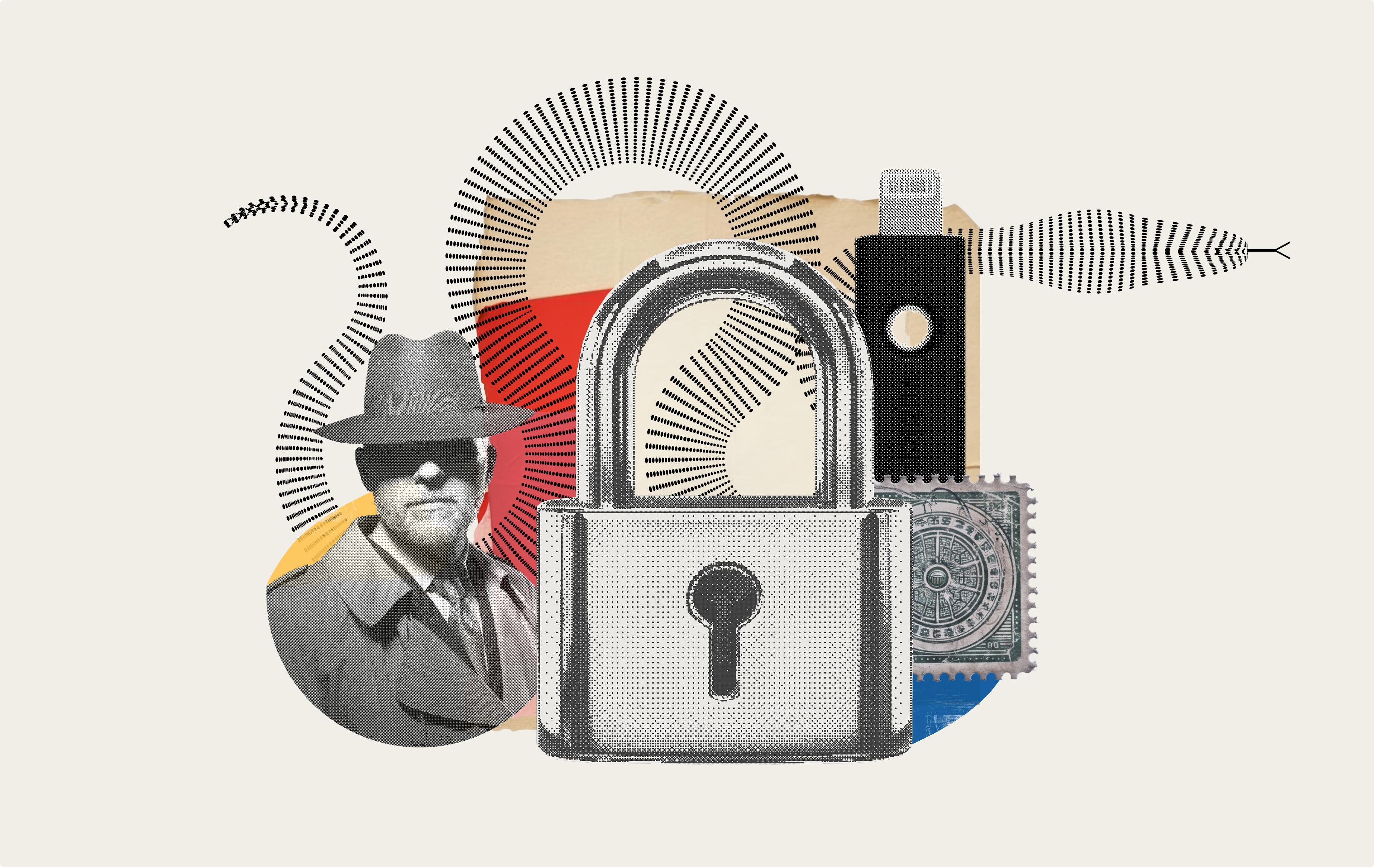
From my FRM lens, this equates to unmanaged tail risks in your portfolio. Conviction investing demands robust fundamentals, yet seed phrases introduce fragility antithetical to holding through cycles. Seed phrase alternatives 2026 like passkeys address these systematically, binding keys to hardware roots of trust.
Decoding WebAuthn: The Technical Backbone
WebAuthn, part of the FIDO2 framework, standardizes passwordless auth across browsers and OSes. When you create a passkey smart wallet, the browser invokes the device's authenticator - say, Apple's Secure Enclave or Android's Titan chip. It crafts a credential: a public key registered with the relying party (your wallet service), while the private key stays local, encrypted and inaccessible.
Authentication flows thus: challenge from the dApp, signed by the private key post-biometric approval, verified server-side. No credentials traverse the network unencrypted; phishing fails because site origin is cryptographically checked. Recovery? Multi-device sync via encrypted cloud relays, or social recovery in advanced setups like ERC-4337 accounts.
Passkeys aren't just convenient; they're a phishing-resistant fortress, device-bound and context-aware.
This methodical design scales across chains - Ethereum via EIP-7702, Solana with MPC-wrapped Ed25519 keys. Developers wield SDKs like Porto or Web3Auth for frictionless integration, no extensions needed.
2026 Breakthroughs Reshaping Wallet Security
March 2026 marks a tipping point. Openfort's passkey wallet fuses ERC-4337 with WebAuthn, enabling sponsored and batched txs via biometrics. BIO-key's Passkey: YOU extends this phoneless paradigm beyond crypto into hybrid auth. Porto SDK empowers devs with passwordless accounts, sidestepping browser plugins entirely.
Verifiable Passkeys couple FIDO2 with credentials for privacy-first access, while QES-backed virtual authenticators sync keys securely across clouds. On mobile, FeatherWallet's zk-SNARKs lighten the load, pairing with passkeys for lean performance. zkLogin from Sui imports OAuth proofs for seamless onboarding, privacy intact.
Hardware enthusiasts note EthVault's FPGA cold storage, resilient to side-channels. Solana's passkey primitive unlocks Ed25519 signing sans seeds, Helius leading the charge. Bitcoin gets PRF extensions for biometric-derivable backups. FIDO's push, Circle's modular support, and Ethereum's Fusaka upgrade cement passkeys as infrastructure.
These aren't isolated experiments; they're interoperable layers fortifying phishing resistant crypto storage. Investors like me see conviction here: reduced UX friction boosts adoption, curbing retail panic sells during downturns.
Yet conviction demands not just security, but resilience through inevitable cycles. Seedless passkey wallets deliver exactly that, transforming crypto storage from a liability into a strategic edge. Let's dissect how these systems handle recovery - the linchpin that doomed seed phrases.
Recovery Redefined: Multi-Layered Safeguards
Traditional backups invited disaster; passkey alternatives 2026 flip the script. Core to WebAuthn is the PRF extension, allowing biometric-derived keys synced across devices via end-to-end encrypted clouds like iCloud Keychain or Google Password Manager. Lose your phone? Authenticate on a new one, and keys regenerate deterministically. No single point of failure.
Advanced setups layer social recovery atop this. ERC-4337 smart accounts, as in Openfort, use guardians - trusted contacts or MPC shards - for threshold approvals. Web3Auth's passkeys add QR scanning or YubiKey fallbacks. Sui's zkLogin imports OAuth tokens from Google, proving identity without exposing keys. Circle's modular wallets support recovery keys with self-custodial twists, blending convenience and control.
Comparison of Seedless Recovery Models: Traditional Seeds vs. Passkey Sync vs. ERC-4337 Guardians vs. zkLogin
| Recovery Model | Security | UX Ease | Phishing Resistance | Multi-Device Support | Pros/Cons |
|---|---|---|---|---|---|
| Traditional Seeds | Medium 🔒⚠️ | Poor 😞❌ | Low 🐟❌ | Poor 📵❌ | ✅ Full user sovereignty ❌ Backup hassle & loss risk ❌ Highly phishable |
| Passkey Sync (WebAuthn) | High 🔒✅ | Excellent 😊✅ | Excellent 🛡️✅ | Good 🔄✅ | ✅ Biometric & phishing-proof ✅ Seamless onboarding ⚠️ Ecosystem lock-in (e.g., iCloud) |
| ERC-4337 Guardians | High 🔒✅ | Good 😊✅ | High 🛡️✅ | Excellent 🌐✅ | ✅ Social recovery & AA features ✅ Sponsored txns ⚠️ Guardian trust required |
| zkLogin | High 🔒✅ | Excellent 😊✅ | High 🛡️✅ | Good 🔄✅ | ✅ Frictionless social login ✅ ZK privacy ⚠️ Relies on IDPs (Google/FB) |
This methodical stacking minimizes risks while maximizing uptime. From my macro view, it's akin to diversifying beyond equities into commodities - balanced exposure without correlated crashes.
Practical Wins for Users and Builders
For everyday holders, onboarding shrinks to seconds: scan face, fund wallet, trade. No extensions, no phrases, persistent sessions via Helius on Solana or Fusaka on Ethereum. Developers embed Porto SDK for one-click dApp integration, supporting EIP-7702 for gasless txs. FeatherWallet proves it on mobile, zk-SNARKs ensuring light footprints.
Phishing resistance shines in action. WebAuthn binds credentials to origin domains; fake sites can't elicit signatures. BIO-key's phoneless auth extends to enterprise, while Verifiable Passkeys add zero-knowledge proofs for selective disclosure. EthVault's FPGA hardware anchors the paranoid, side-channel proof.
Key Passkey Wallet Advantages
- Biometric Unlock Speed: Instant access via FaceID or fingerprint, eliminating seed phrase entry delays. E.g., Web3Auth passkeys enable faster, phishing-resistant logins. Learn more
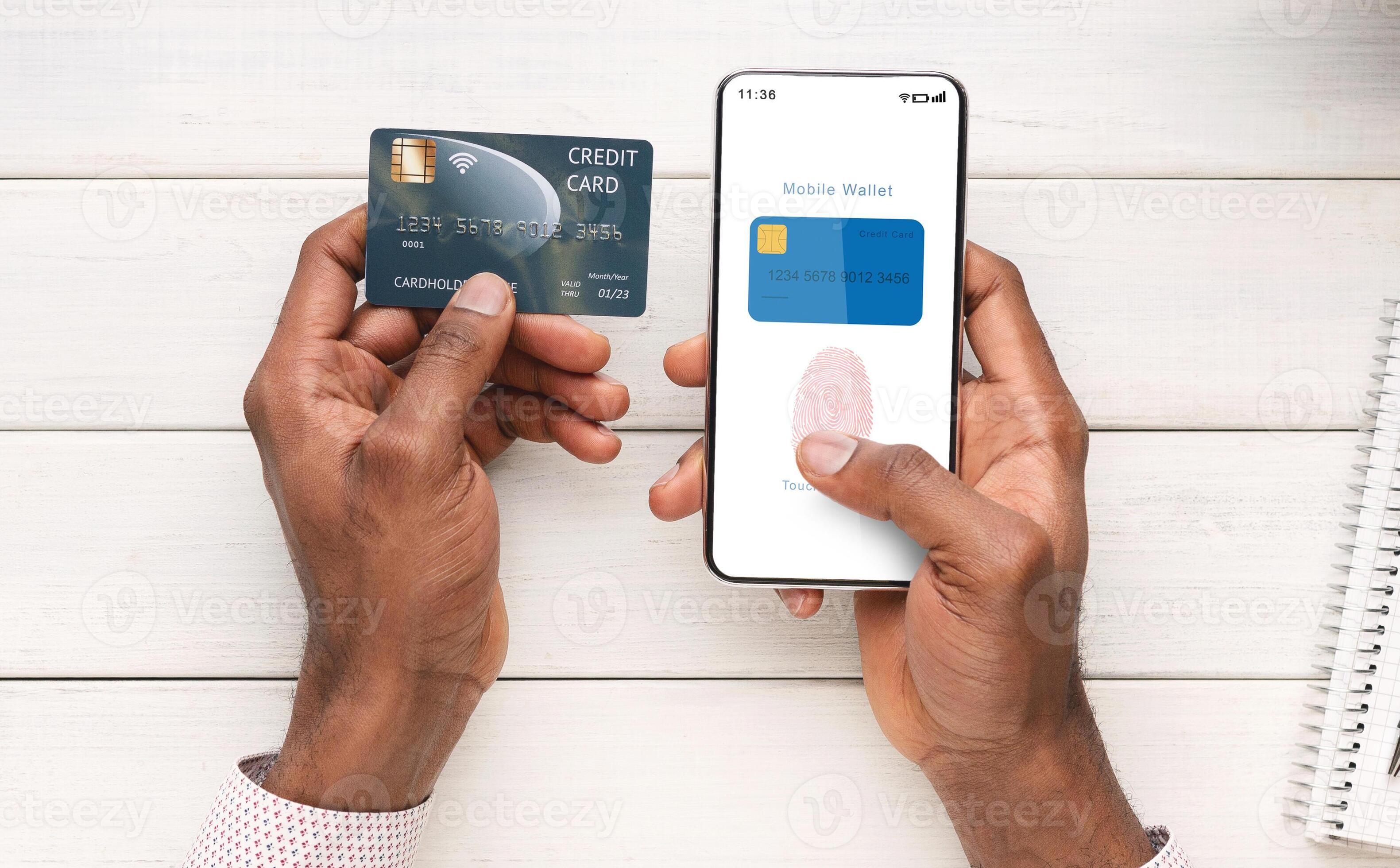
- Cross-Chain Compatibility: Seamless support across Ethereum, Solana, and more without extensions. Porto SDK integrates WebAuthn with EIP-7702 for multi-chain access.
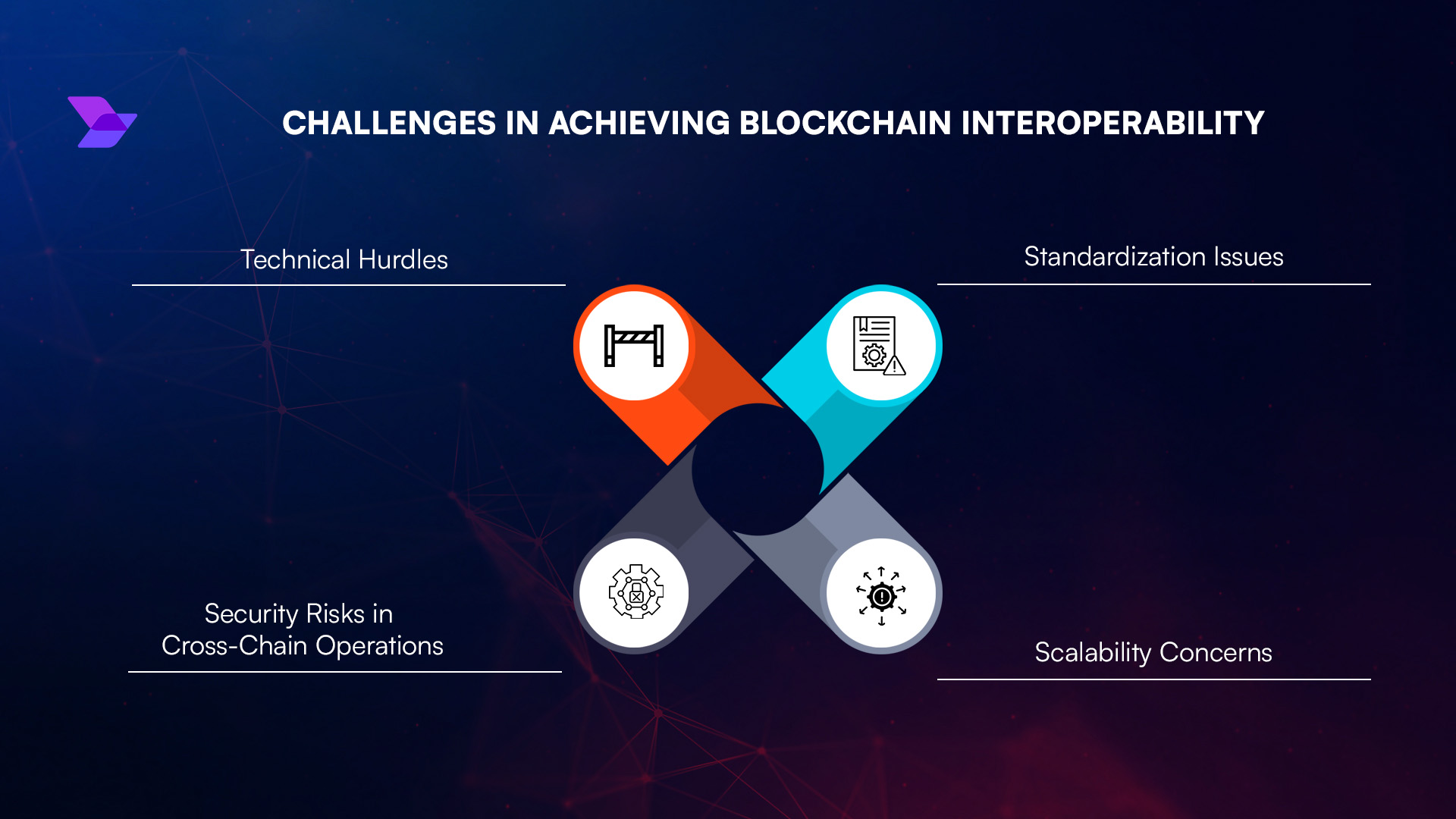
- Gas Sponsorship: Relayers cover transaction fees for frictionless UX. Openfort Passkey Wallet offers sponsored and batch transactions via ERC-4337.
- Session Keys for dApps: Persistent, secure sessions for dApp interactions without repeated auth. Featured in Openfort and Solana passkeys for phishing-resistant signing.
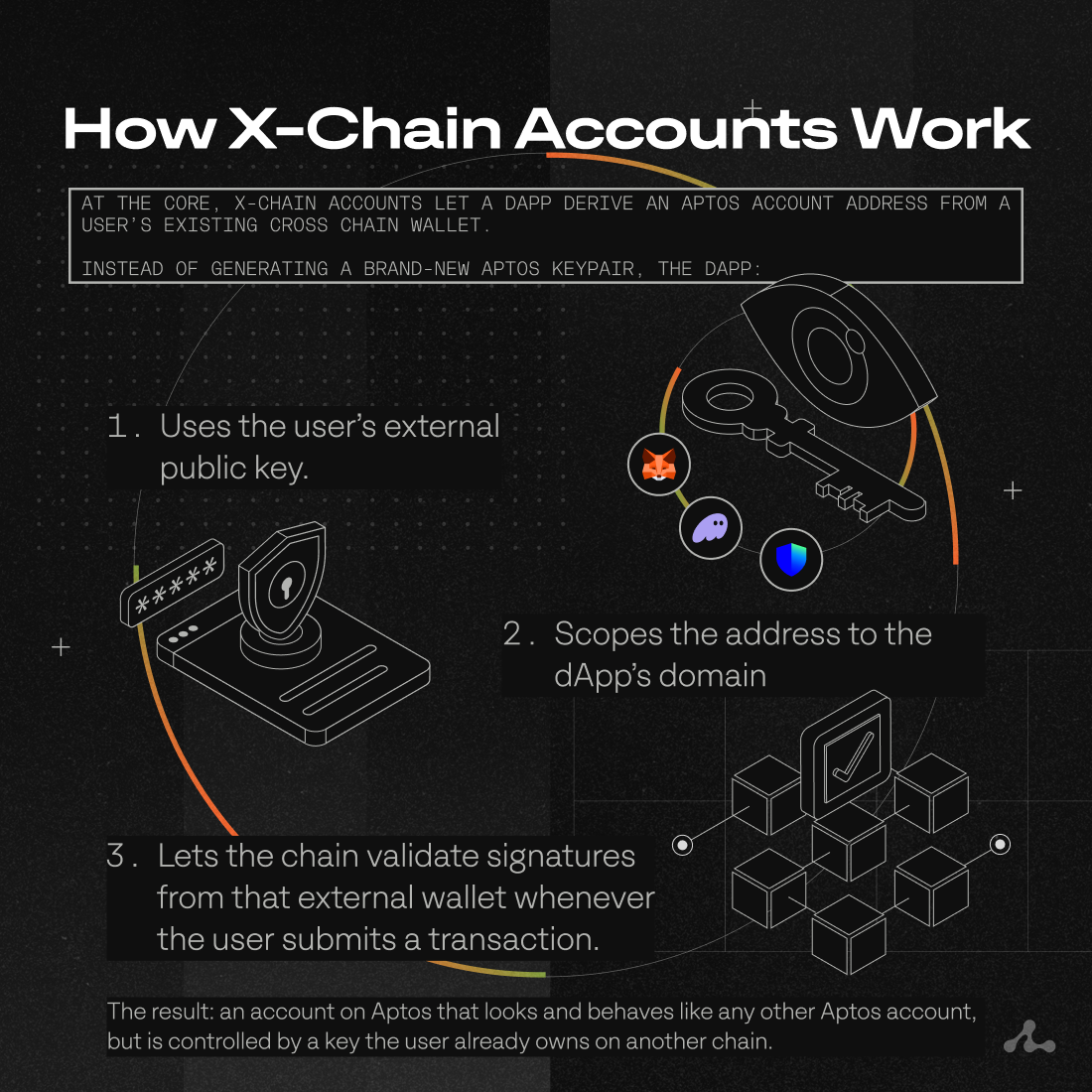
- Effortless Multi-Sig Recovery: Device-synced passkeys with recovery options like Web3Auth, ditching seed phrases for biometric-backed multi-device access.
Real-world traction builds. Digitap and Para tout frictionless Solana UX; OneKey details seedless mechanics. Reddit threads buzz over smart contract accounts via relayers, ditching private keys entirely. Medium outlines five recovery models sans support tickets, from cloud sync to threshold schemes.
Challenges persist, mind you. Device dependency demands backups, though far superior to phrases. Cross-platform sync evolves, with FIDO pushing standards. Regulatory eyes watch MPC and guardians, but self-custody prevails.
By late 2026, expect ubiquity. Platforms like Passkeys Wallet enable direct website creation, no verification hurdles. As adoption surges, volatility tempers - fewer lost funds mean steadier hands through bear markets. For long-term positions, this is the big picture: WebAuthn native crypto wallets as foundational infrastructure, securing wealth across cycles with unyielding precision.



No comments yet. Be the first to share your thoughts!