
Why passkey wallet security matters now
The transition from password managers to passkey-native wallets is no longer a matter of convenience; it is a structural necessity for securing digital assets. Legacy authentication methods rely on shared secrets that are inherently vulnerable to interception, brute force, and credential stuffing. Passkey wallet security eliminates this single point of failure by anchoring identity verification to the device itself, ensuring that cryptographic keys never leave the user’s hardware.
Unlike traditional passwords, which can be phished or guessed, passkeys are designed to be phishing-resistant by default. They bind the authentication credential to a specific domain or application, making it impossible for an attacker to trick a user into revealing their private key on a fraudulent site. This architectural shift fundamentally changes the threat landscape, rendering the vast majority of current cyberattacks against user credentials ineffective.
For enterprise decision-makers and asset holders, the stakes are high. The reliance on memorized strings of characters has proven unsustainable. By adopting passkey-based authentication, organizations and individuals align with the security standards set by Apple, Google, and the FIDO Alliance, ensuring that access to sensitive financial data is protected by local biometric or hardware-backed verification rather than vulnerable network-based secrets.
Passkey vs password manager 2026
The shift from password managers to passkey wallets is not merely a feature update; it is a structural overhaul of digital identity. Legacy password managers rely on the user to generate and remember complex strings, creating a single point of failure that remains vulnerable to sophisticated phishing and database breaches. Passkey wallets, standardized by the FIDO Alliance, replace shared secrets with asymmetric cryptography. This eliminates the possibility of credential theft through phishing, as the private key never leaves the user’s device [[src-serp-4]].
For enterprise decision-makers, the distinction lies in security architecture and operational liability. Password managers store encrypted vaults that, if compromised, expose the entire organization’s access credentials. Passkey wallets distribute these credentials locally, anchored to hardware-backed secure enclaves. This architectural difference fundamentally alters the risk profile, moving security from the software layer to the hardware layer.
Comparison: Security and Management
The following table outlines the structural differences between legacy password management and modern passkey wallets, focusing on the security implications for enterprise environments.
| Feature | Password Manager | Passkey Wallet | Enterprise Impact |
|---|---|---|---|
| Authentication Method | Shared Secret (Password) | Asymmetric Cryptography | Eliminates password reuse risks |
| Phishing Resistance | Vulnerable | Native Resistance | Reduces social engineering success |
| Credential Storage | Encrypted Cloud Vault | Local Secure Enclave | No central honeypot for attackers |
| Recovery Process | Email/SMS Reset | Cross-Device Sync or Biometric | Streamlines IT support tickets |
| Standardization | Proprietary Encryption | WebAuthn/FIDO2 | Interoperable across platforms |
Market Context
The transition to passkey-based authentication is gaining momentum across major technology providers. Apple and Google have integrated passkey support into their core operating systems, signaling a definitive move away from password-centric models [[src-serp-3]]. This adoption is driving a parallel shift in the cybersecurity market, as vendors pivot their product roadmaps to support passwordless infrastructure.
Decision Framework
The choice between a password manager and a passkey wallet depends on your organization’s risk tolerance and infrastructure maturity. Password managers are effective for mitigating password fatigue but do not solve the fundamental vulnerability of shared secrets. Passkey wallets offer a higher security baseline by design, reducing the attack surface for credential theft.
For enterprises prioritizing high-stakes security, the recommendation is clear: prioritize passkey wallets for high-value accounts and internal systems. The structural shift towards passwordless authentication is inevitable, and early adoption positions organizations ahead of emerging threat vectors. As the industry standardizes on FIDO2, the cost of maintaining legacy password infrastructure will outweigh the benefits, making passkeys the superior long-term investment for identity security.
How passkey wallet security works
Passkey wallets shift the security model from shared secrets to asymmetric cryptography. Unlike traditional password managers that store a master key to unlock encrypted vaults, passkey wallets rely on the WebAuthn and FIDO2 standards. These protocols establish a cryptographic relationship between a user’s device and the service provider, eliminating the need for shared secrets that can be intercepted or stolen.
The core of this security lies in the key pair generated during registration. The private key never leaves the device’s secure enclave or trusted platform module (TPM), while the corresponding public key is shared with the server. When authentication is required, the device uses the private key to sign a challenge sent by the server. This process ensures that even if the server is compromised, the attacker gains no value from the stolen public keys. This structural change renders phishing and brute force attacks ineffective, as there is no password to replicate or guess.
Biometric binding further strengthens this framework. Passkeys are tied to local authentication methods, such as fingerprint scanners, facial recognition, or device PINs. This ensures that only the legitimate owner can authorize transactions or access their digital assets. The biometric data itself is never transmitted or stored on external servers, keeping the authentication process strictly local and private. This integration of hardware security and biometric verification creates a robust barrier against unauthorized access.
For enterprise decision-makers, this transition represents a fundamental reduction in risk. By removing the human element of password creation and management, organizations can mitigate a significant portion of credential-based attacks. The security of a passkey wallet is not dependent on user behavior but on the cryptographic integrity of the device and the standard itself. This makes it a more reliable foundation for securing high-value digital assets than any password-based system.
Enterprise adoption of passkey wallets
The corporate migration away from passwords is no longer experimental; it is becoming a structural requirement for modern enterprise security. As organizations recognize the limitations of legacy authentication, the focus has shifted toward passkey wallet security as a definitive solution to phishing and credential theft.
Vendor support from major technology providers has accelerated this transition. Apple, Google, and Microsoft now treat passkeys as a standard feature across their operating systems and cloud ecosystems, reducing the friction of enterprise-wide deployment. This unified infrastructure allows companies to implement passwordless login without building custom identity solutions from scratch.
Regulatory pressure is equally influential. Frameworks such as the NIST guidelines and emerging EU cybersecurity standards are explicitly encouraging or mandating phishing-resistant multi-factor authentication. For enterprise decision-makers, this creates a dual imperative: adopt passkey wallet security to meet compliance requirements and to neutralize the most common vectors of data breaches.
The result is a rapid scaling of passwordless infrastructure in the corporate sector. As seen in the broader financial technology market, the shift toward stronger authentication methods correlates with increased institutional confidence in digital identity systems.
This momentum is reflected in the broader market for identity security solutions, where investor confidence is growing alongside enterprise adoption rates.
Implementation checklist for teams
Transitioning to passkey wallet security requires a structural shift in authentication strategy. IT leaders must prioritize phishing resistance and local biometric verification over traditional password habits.
Map existing user identities and identify high-risk accounts suitable for immediate passkey integration.
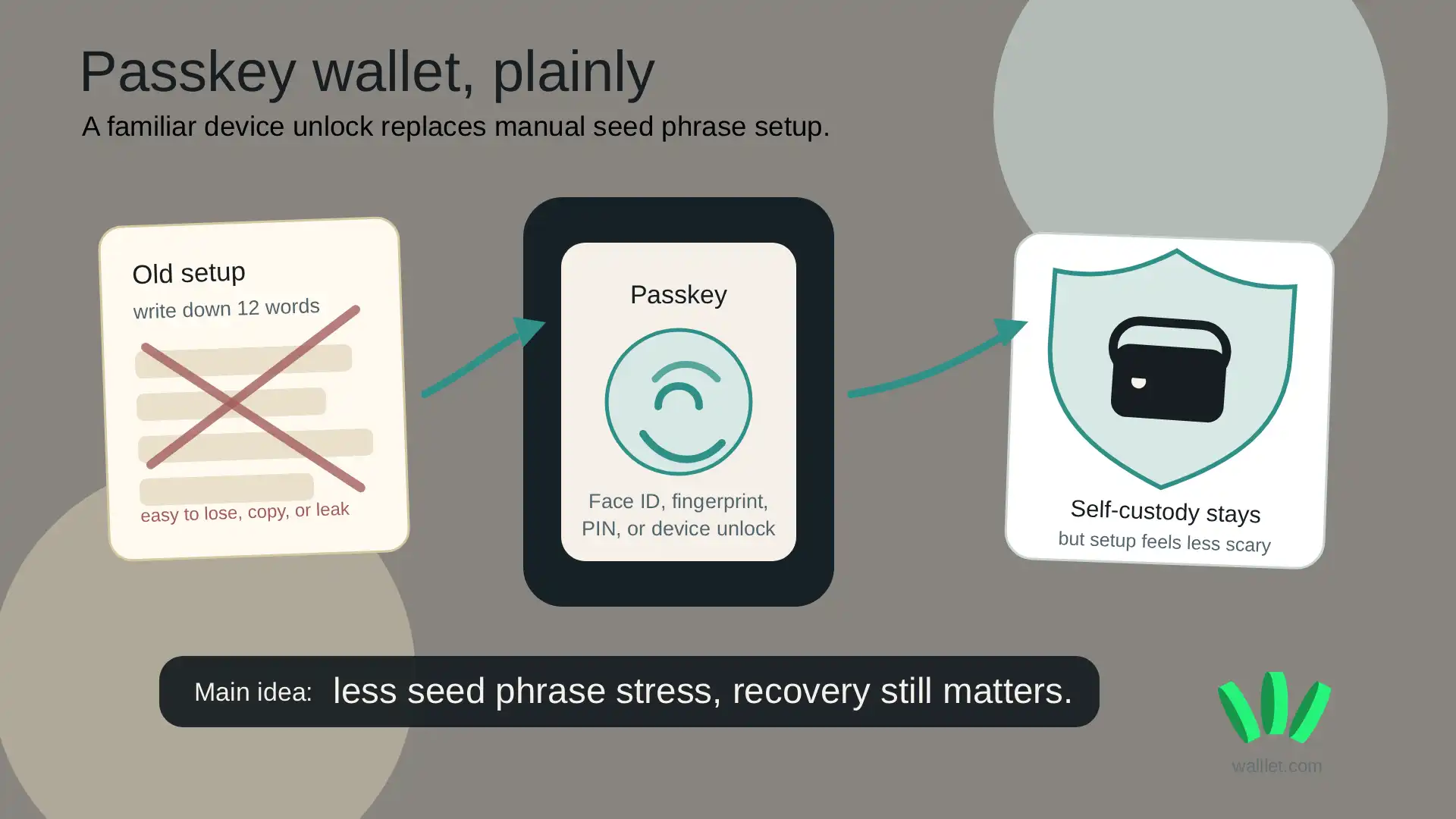
Ensure authentication servers support the FIDO2 standard to guarantee interoperability across Apple, Google, and enterprise devices.
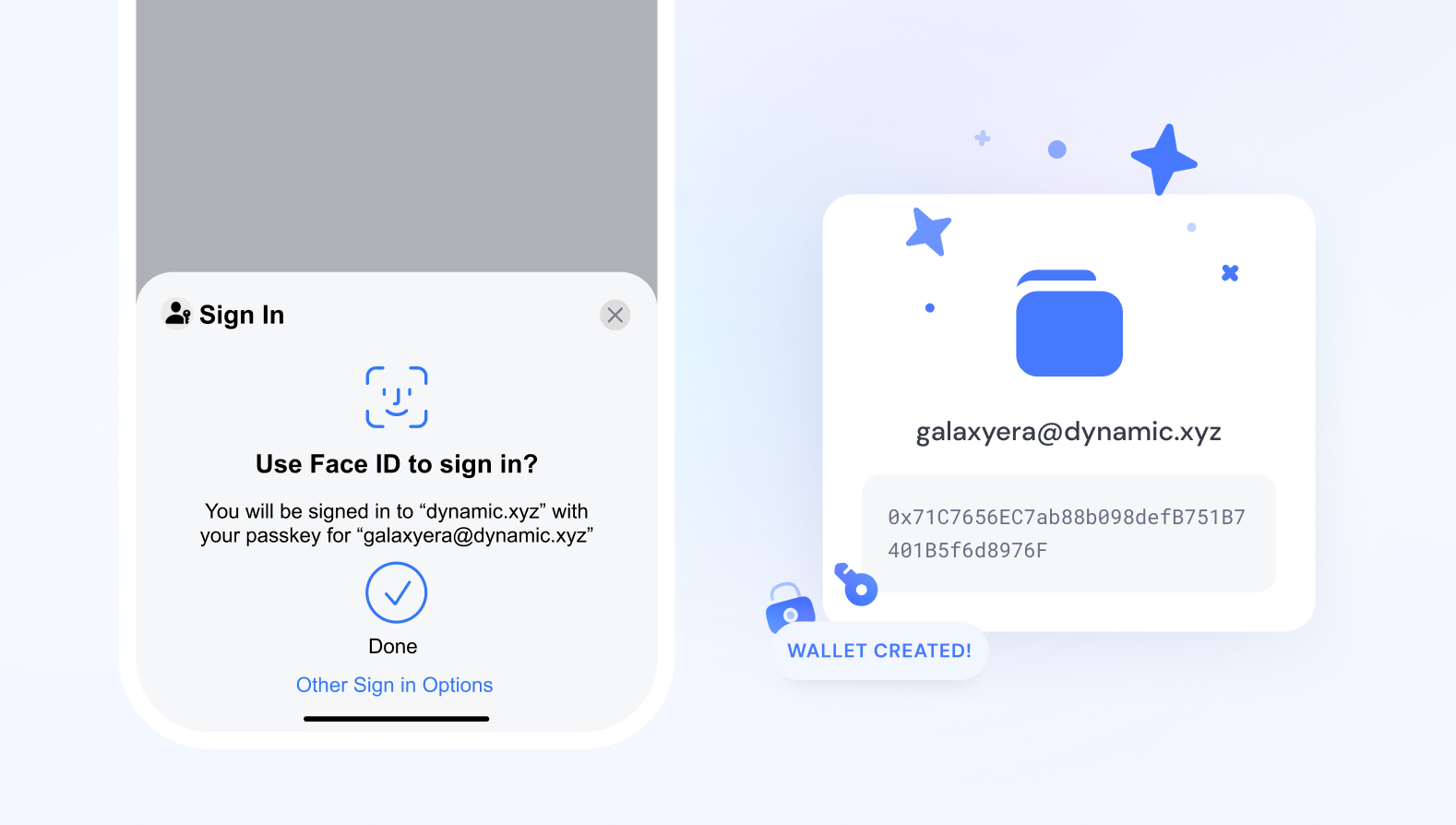
Launch pilot programs with IT staff before enterprise-wide adoption to troubleshoot device-specific biometric constraints.
This migration eliminates credential stuffing risks while aligning with modern security protocols.
No comments yet. Be the first to share your thoughts!