
The 2026 Market Shift Away from Seed Phrases
The fundamental architecture of Web3 custody is undergoing a structural reset. The industry is moving decisively from the high-friction, high-risk model of seed-phrase management to WebAuthn-based passkeys, a transition driven by FIDO Alliance adoption and the maturation of smart contract wallets. This shift addresses the primary failure point of early blockchain adoption: user error. As FIDO Alliance CEO Andrew Shikiar noted in his 2026 keynote, over 4 billion passkeys are now securing sign-ins globally, signaling that biometric authentication has moved from a convenience feature to the baseline standard for digital identity [1].
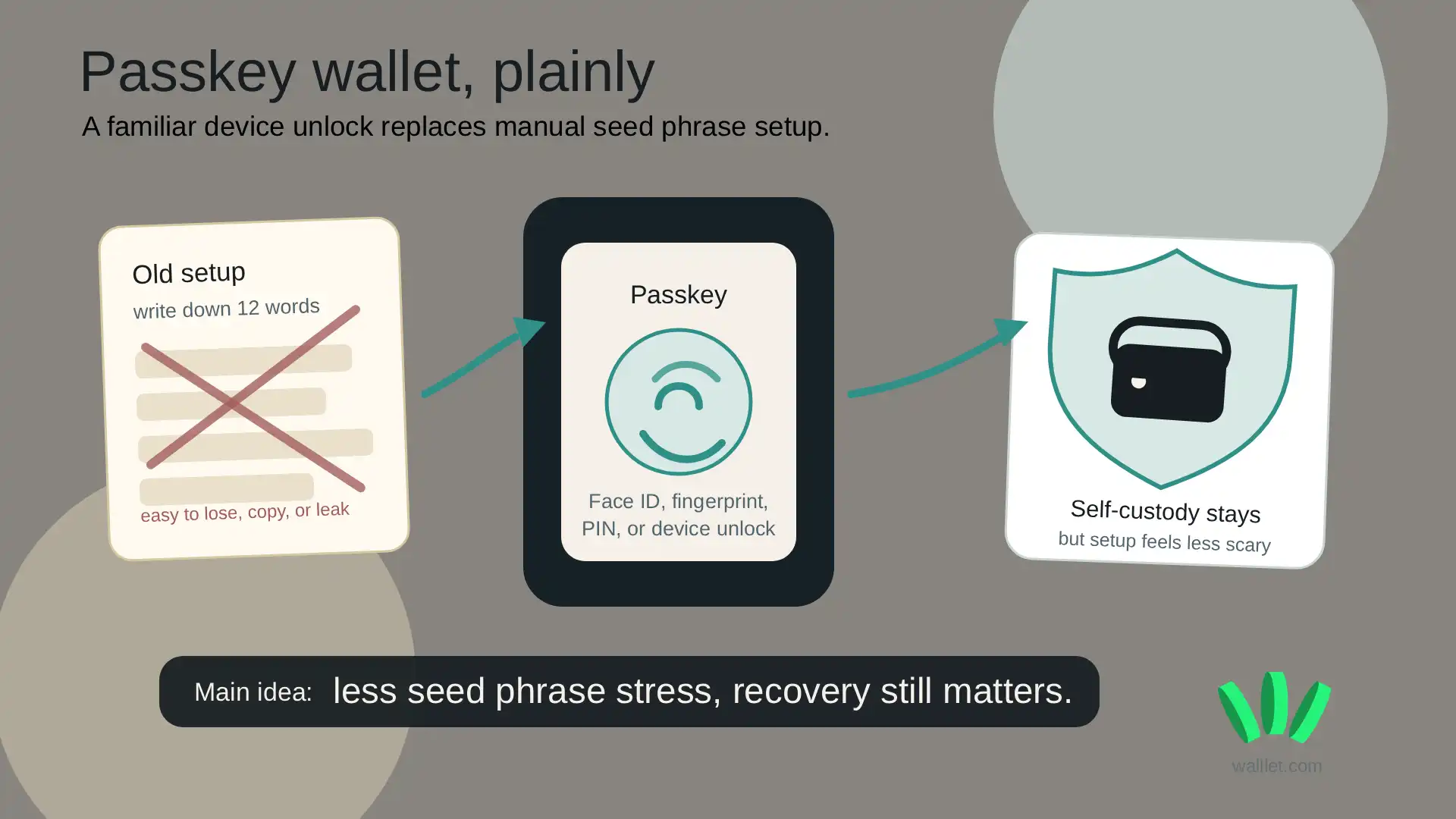
Passkey wallets represent this new paradigm by replacing traditional private keys with device-bound biometrics like FaceID or TouchID. According to Chainlink, these smart accounts simplify blockchain interactions by leveraging authentication methods users already trust, effectively removing the cognitive load of managing 24-word recovery phrases [2]. This is not merely a UX improvement; it is a security imperative. Seed phrases are static secrets that, once compromised, offer no recourse. Passkeys are dynamic, device-specific credentials that cannot be phished in the traditional sense, aligning Web3 security with the robust standards of enterprise identity management.
The market implications are immediate. As passkey infrastructure becomes embedded in major smart contract standards, the barrier to entry for mainstream users drops significantly. This transition reduces the attack surface for key-loss incidents, which have historically accounted for billions in lost value. The convergence of FIDO standards with on-chain governance creates a more resilient ecosystem, where identity is verified through hardware-backed security modules rather than memorized strings of text.
Hardware keys vs. platform passkeys
Passkey wallets rely on the WebAuthn standard to bind a cryptographic credential to a specific device. This setup allows users to authorize on-chain transactions using familiar biometrics like FaceID or TouchID, replacing the traditional seed phrase with a more polished onboarding process. While convenient for daily trading, this convenience introduces a single point of failure: the device itself.
Platform passkeys are device-bound. If your phone is lost, stolen, or compromised by malware, the attacker gains access to your wallet credentials without needing a password. CertiK notes that this architecture shifts the security burden from password memorization to device integrity. For high-stakes holdings, relying solely on a smartphone’s operating system security is akin to keeping your life savings in a digital wallet that can be cloned if the physical device is breached.
Physical FIDO2/U2F hardware keys, such as those from YubiKey or Ledger, offer a higher security tier. Because the private key never leaves the hardware token, it cannot be phished or extracted via malware on a connected computer. Even if an attacker clones your computer, they cannot sign transactions without the physical presence of the key. This separation of concerns is critical for institutional-grade security or large portfolio management.
The choice between these two methods depends on your risk tolerance and liquidity needs. Platform passkeys are ideal for smaller, frequently accessed funds where ease of use outweighs the risk of device loss. Hardware keys are mandatory for long-term storage or significant capital where the cost of a breach is unacceptable.
| Feature | Platform Passkeys | Hardware Keys |
|---|---|---|
| Security Model | Device-bound biometrics | Cryptographic token |
| Phishing Resistance | Moderate | High |
| Recovery | Cloud sync (e.g., iCloud) | Backup keys or seed phrase |
| Portability | High (with device) | Low (requires physical key) |
| Best For | Daily trading, small balances | Long-term storage, large capital |
The Hidden Fragility of Passkey-Only Wallets
Passkey-only wallets promise frictionless onboarding by leveraging the biometric authentication already built into your smartphone. This approach mimics the convenience of password managers, replacing complex seed phrases with Face ID or fingerprint scans. However, this convenience comes at the cost of true self-custody. When you rely exclusively on platform passkeys, you are not holding your own keys; you are renting access from a technology provider.
The primary failure mode is vendor lock-in. Your private keys are often embedded within the secure enclave of Apple’s iOS or Google’s Android ecosystem. If your device is lost, damaged, or simply unsupported by future OS updates, your assets become inaccessible. Unlike traditional hardware wallets that allow recovery via mnemonic phrases, passkey-only architectures delegate recovery to the platform vendor. This creates a single point of failure that contradicts the foundational ethos of decentralized finance.
Security researchers have identified that this delegation extends beyond mere recovery. Platform providers retain the ability to reset or revoke access based on their own terms of service. In a high-stakes environment where regulatory scrutiny is increasing, the risk of account freezes or compliance-driven blocks becomes significant. You are no longer your own bank; you are a customer subject to corporate policy changes.
Additionally, the lack of domain binding in many passkey implementations can expose users to phishing attacks. While passkeys are resistant to traditional credential stuffing, they are not immune to sophisticated social engineering if the underlying implementation does not strictly bind the authentication to the specific smart contract domain. This nuance is often overlooked in user-friendly marketing materials.
The solution lies in hybrid architectures. Multi-Party Computation (MPC) wallets split the private key across multiple devices or parties, ensuring that no single platform holds the entire key. This approach retains the ease of passkey authentication while restoring true ownership and resilience. For serious investors, the choice is not between security and convenience, but between true custody and rented access.
Best passkey hardware 2026 options
Choosing the right hardware for passkey-based smart wallets requires balancing security tiers with daily usability. The decision hinges on whether you prioritize the convenience of cloud-synced biometrics or the air-gapped security of physical tokens.
For daily trading and smaller balances, platform passkeys (iOS/Android) offer the lowest friction. However, for significant capital, hardware keys are non-negotiable. The following options represent the current standard for WebAuthn-compatible hardware security modules:
- YubiKey 5 Series: The industry standard for FIDO2/WebAuthn. It supports NFC, USB-A, and USB-C, making it compatible with most mobile and desktop setups. It is ideal for users who need a robust, universal backup for their smart wallet.
- Ledger Stax: A premium option that integrates seamlessly with the Ledger Live ecosystem. While primarily a hardware wallet, its E Ink display and secure element provide an additional layer of verification for passkey-based transactions, bridging the gap between traditional HSMs and modern smart accounts.
- Trezor Safe 3: A cost-effective entry point for hardware security. It offers strong protection against physical tampering and supports WebAuthn, making it a viable backup for users who want to diversify their hardware exposure without a premium price tag.
When selecting hardware, verify that the device explicitly supports WebAuthn passkey generation and storage. Not all hardware wallets support this standard out of the box, and compatibility varies by wallet provider.
Setting up hardware passkey recovery
You do not need to choose between convenience and custody. A hardware key serves as the ultimate backup for your smart wallet, ensuring that a lost phone or a compromised cloud account does not lock you out of your assets. This process binds a physical cryptographic credential to your wallet, creating a recovery path that bypasses traditional password managers entirely.
Navigate to your wallet’s security settings and look for the option to add a passkey recovery method. Modern smart wallets utilize the WebAuthn standard, which allows the wallet to bind to a device-stored cryptographic credential. This step prepares the wallet to accept a hardware key as a valid authentication source, separate from your primary seed phrase.
Insert your YubiKey, Ledger, or Trezor into your device and initiate the registration. The wallet will prompt you to touch the hardware key to generate a unique public/private key pair. This action creates a new passkey entry in your wallet’s recovery configuration. Ensure the key is recognized as a trusted recovery method, distinct from your daily signing key.
Test the recovery process without risking your assets. Log out or simulate a device loss scenario, then attempt to restore access using only the hardware key. This step confirms that the cryptographic bond between the wallet and the key is active. If the wallet fails to recognize the key during this test, re-register the credential before proceeding.
Store the hardware key in a fireproof safe or a bank deposit box, physically separate from your primary device. This separation ensures that a single physical breach cannot compromise both your daily access and your recovery method. Label the key clearly as a "passkey recovery device" to avoid confusion with your primary signing hardware.
By treating the hardware key as a dedicated recovery anchor, you eliminate the single point of failure inherent in password-based systems. This setup aligns with WebAuthn standards, providing a robust, device-bound credential that survives device loss or account compromise. For more on how these standards integrate with smart wallets, refer to Smart Wallet Recovery 2026.
What Are Passkey Wallets and Why Do They Fail?
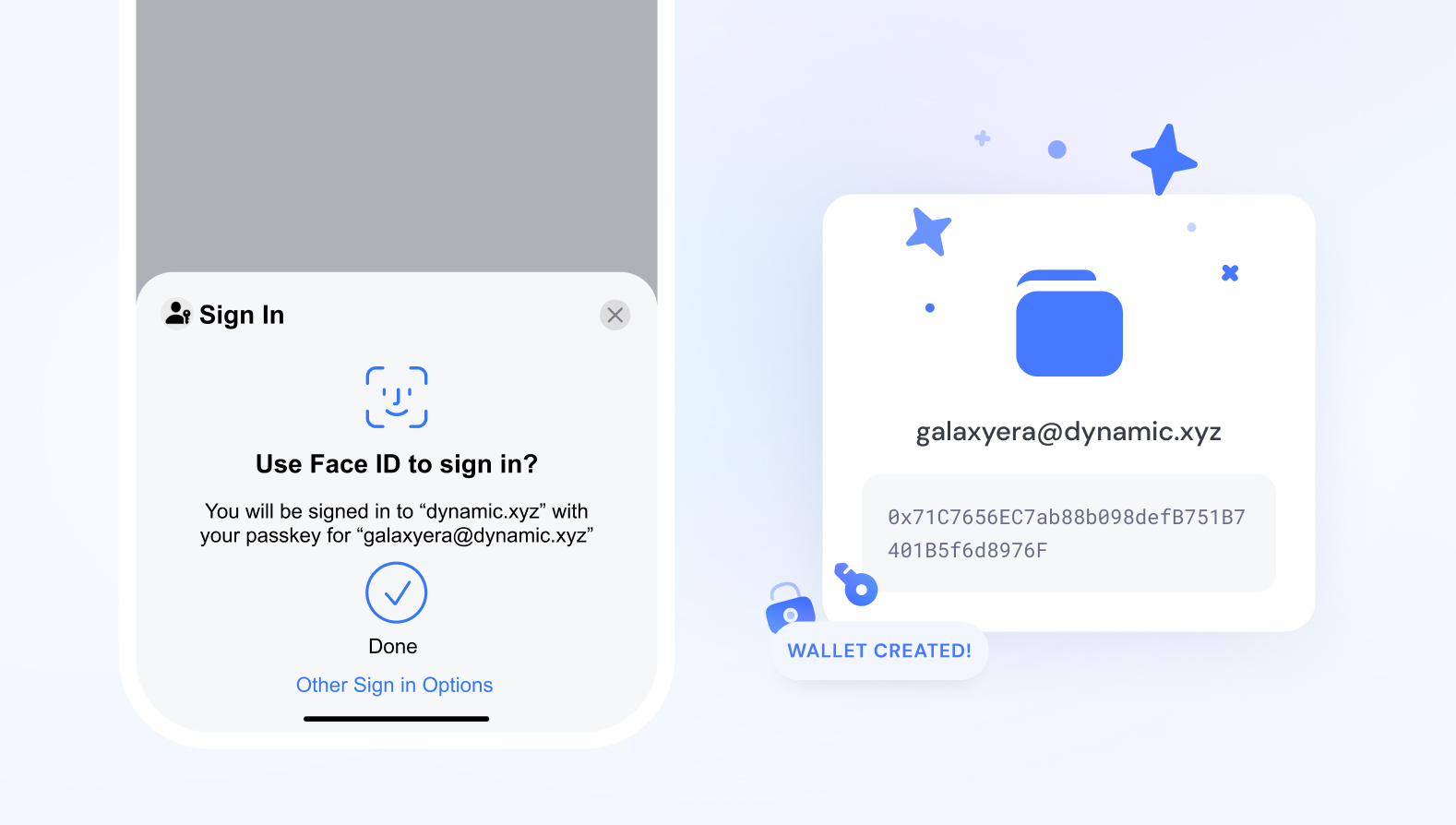
A passkey wallet replaces traditional seed phrases with biometric authentication methods like FaceID or TouchID. By anchoring your private keys to a device you already trust, it simplifies blockchain interactions while strengthening security against remote phishing attacks.
However, users often encounter a "This passkey can no longer be used" message. This error typically occurs when the passkey is deleted from your account or device, or when you change your primary authentication method, such as updating your phone’s PIN or biometric settings.
Helpful gear
Use these product recommendations as a starting point, then choose the size, material, and price point that fit how you actually use the gear.

![QLD 2026 Wallet for Men - RFID Blocking [Functional & Practical] Bifold Slim Minimalist Credit Card Holder Pop Up Wallet Metal Case with Cash Slot, Front Pocket with ID Window, Gift Boxed (Carbon Fiber)](https://m.media-amazon.com/images/I/81tundo89BL._AC_UL960_QL65_.jpg)

As an Amazon Associate, we may earn from qualifying purchases.
No comments yet. Be the first to share your thoughts!