
Why passkey wallets matter now
The cryptocurrency industry is undergoing a structural shift from seed-phrase-based self-custody to biometric authentication. This transition is driven by the adoption of FIDO2 standards, which replace the fragile, human-dependent backup of mnemonic phrases with device-bound cryptographic keys. For high-stakes market participants, this change is not merely a UX improvement; it is a fundamental re-engineering of security liability.
Passkey wallets utilize the device’s secure enclave to generate and store private keys. This architecture eliminates the primary vectors of traditional wallet failure: phishing and seed phrase loss. According to the Passkeys Foundation, this technology offers a "superior user experience" by leveraging authentication methods users already trust, such as Face ID or Touch ID, while simultaneously strengthening security against credential theft [src-serp-1].
The security model differs significantly from password managers. While password managers store secrets that can be stolen via database breaches or phishing, passkeys are bound to the specific device and domain. This makes them resistant to phishing attacks, as the cryptographic signature is only valid for the intended origin. However, users must remain vigilant against session hijacking, where attackers compromise active sessions via cookies, bypassing the authentication layer entirely [src-serp-6].
This shift reduces the barrier to entry for institutional and retail investors alike. By removing the complex burden of seed phrase management, passkey wallets align crypto custody with the security expectations of the broader financial technology sector. The result is a more robust, user-friendly, and secure environment for digital asset management.
How passkey wallets secure assets
Passkey wallets replace the traditional seed phrase with a cryptographic architecture anchored in the device itself. Rather than relying on a user to memorize or securely store a 12-word recovery string, the private key is generated locally on the device and never leaves the Secure Enclave or Trusted Execution Environment (TEE). This local generation ensures that the private key is never exposed to the operating system, the browser, or the internet, fundamentally removing the attack surface associated with seed phrase theft or phishing.
The security model relies on the FIDO2 and WebAuthn standards, which bind authentication to the specific domain and the hardware. When a user initiates a transaction, the device signs the message using the private key stored within the secure enclave. The user authenticates this action via biometrics (Face ID, fingerprint) or a device PIN. Because the private key never leaves the hardware, remote attackers cannot intercept it via keyloggers, malware, or network sniffing. This mechanism shifts the burden of security from human memory to hardware isolation.
While the cryptographic strength is robust, the security perimeter is defined by the device itself. If the physical device is compromised with sophisticated malware that can bypass the TEE, or if the user is tricked into authorizing a transaction via session hijacking, the security model can be breached. However, this requires physical access or advanced persistent threats, a significantly higher barrier than the credential stuffing attacks that plague traditional password-based systems. The passkey wallet thus offers a defense-in-depth strategy where the primary key remains invisible to the software stack.
The following chart illustrates the broader market context for embedded wallet technologies and blockchain security infrastructure, reflecting the institutional interest in this security paradigm.
Key failure modes in 2026
The shift from seed phrases to biometric passkeys has simplified onboarding, but it has not eliminated structural friction. In 2026, passkey-only wallets face distinct failure modes that limit their viability for serious crypto interactions. These limitations center on platform lock-in, gas fee friction, and domain binding issues.
Platform lock-in
Passkeys are tied to specific hardware ecosystems. A passkey generated on an Apple device cannot easily transfer to an Android device or a different browser profile. This creates a walled garden where users lose access to their assets if they switch devices or lose their primary hardware. Unlike seed phrases, which are portable across any wallet software, passkeys are bound to the credential store of the original device.
Gas fee friction
Passkey wallets often abstract gas fees to improve UX, but this abstraction breaks down during complex transactions. When a user attempts to interact with a decentralized application that requires upfront gas payment, the passkey wallet may fail to sponsor the transaction or prompt for an awkward approval flow. This friction is particularly acute on Layer 2 networks where gas prices fluctuate rapidly, causing failed transactions and user abandonment.
Domain binding issues
Passkeys rely on domain binding to prevent phishing attacks. However, this binding creates significant usability challenges for users who interact with multiple domains or subdomains. A passkey generated for app.example.com may not work for wallet.example.com, forcing users to manage multiple credentials. This fragmentation undermines the seamless experience that passkeys promise, leading to confusion and errors during critical transactions.

The table below contrasts the limitations of passkey-only wallets with the flexibility of MPC hybrid wallets, which distribute key shares across multiple devices to mitigate these risks.
| Feature | Passkey-Only | MPC Hybrid |
|---|---|---|
| Portability | Low (Device-bound) | High (Share-based) |
| Gas Handling | Friction (Abstracted) | Flexible (Sponsored) |
| Phishing Resistance | High (Domain-bound) | High (Threshold-based) |
Market adoption and developer tools
The transition from seed phrases to biometric authentication is no longer theoretical; it is being engineered into the infrastructure of modern crypto. The market is shifting toward "smart wallets" that leverage device-bound passkeys to remove the friction of private key management. This architectural shift places the burden of security on the hardware security module (HSM) or secure enclave of the user’s device, rather than on their memory.
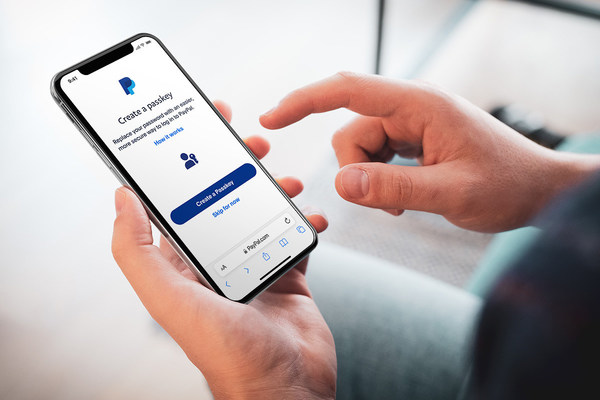
Exodus has launched a self-custody multi-chain wallet that embeds passkey authentication directly into its platform. By utilizing the FIDO2 standard, Exodus allows users to sign transactions using Face ID or fingerprint scans, effectively decoupling the user experience from the complexity of seed phrase backups. This move signals a broader industry trend where consumer-facing wallets prioritize usability without sacrificing self-custody principles.
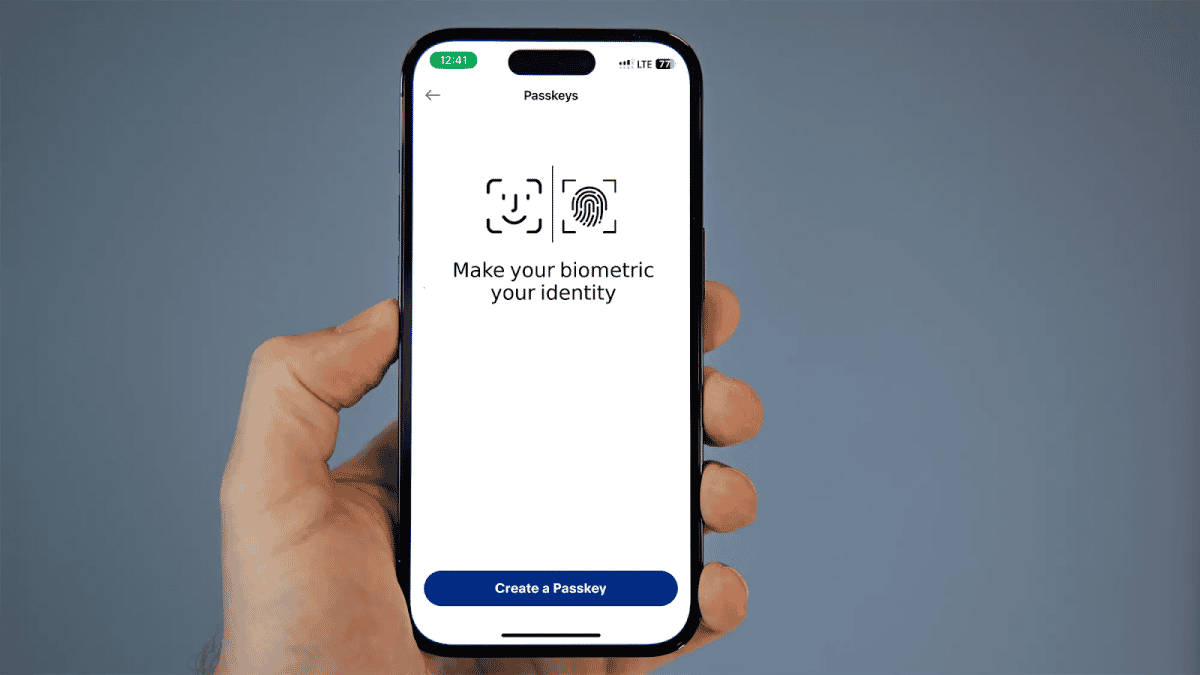
Circle provides a developer-focused SDK that integrates passkey authentication into its Modular Wallets. Their documentation outlines how applications can implement WebAuthn-based login flows, enabling seamless onboarding for new users. This infrastructure allows dApps to offer a "sign-in with passkey" experience, reducing churn caused by complex wallet setup processes.
Dynamic offers a comprehensive identity layer for web3 applications, supporting passkey-based authentication as a primary method. Their platform provides the backend logic to verify biometric credentials and manage session tokens, allowing developers to build secure, passwordless experiences. This approach abstracts the underlying cryptographic complexity, making passkey wallets accessible to teams without deep blockchain security expertise.

The proliferation of these tools suggests a bifurcation in the market: consumer wallets are adopting passkeys for ease of use, while enterprise and developer platforms are building the underlying APIs to support this standard. The FIDO Alliance and Passkeys Foundation continue to drive the technical specifications, ensuring that biometric authentication remains interoperable across different blockchains and devices. This standardization is critical for mass adoption, as it prevents fragmentation in the authentication layer.
Security risks and recovery options
The shift from seed phrases to biometric passkeys eliminates the risk of seed phrase theft, but it introduces new attack vectors centered on device compromise and session integrity. The primary security concern is not the theft of the private key itself, but session hijacking. Attackers can exploit active browser cookies to bypass multi-factor authentication and gain unauthorized access to an account without ever needing the passkey credential. This vulnerability exists at the application layer, not the cryptographic layer, meaning the passkey remains secure even if the session token is stolen.
Recovery in a passkey ecosystem is fundamentally different from traditional self-custody. Because the private key is generated and stored within the device’s secure enclave, it cannot be exported or backed up as a string of words. If the device is lost, the user cannot simply write down a new seed. Recovery depends entirely on the cloud key sharing features provided by the operating system (such as iCloud Keychain or Google Password Manager). If these services are enabled, the passkey is replicated across the user’s trusted devices, allowing access from a new phone or computer after identity verification.
However, this convenience creates a single point of failure. If cloud key sharing is disabled, or if the user’s account credentials for the cloud provider are compromised, recovery becomes nearly impossible without a pre-configured emergency kit. Unlike seed phrases, which are a universal standard, passkey recovery is fragmented across Apple, Google, and Microsoft ecosystems. Users must explicitly configure these backup mechanisms during onboarding. Without them, the loss of the primary device results in the permanent loss of the associated crypto assets, as there is no centralized authority to restore access.
No comments yet. Be the first to share your thoughts!