
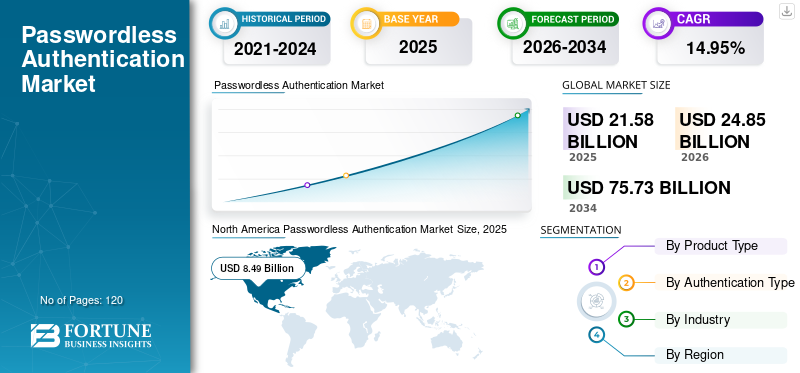
Defining the passkey wallet
A passkey wallet is a digital asset interface that replaces traditional seed phrases with device-bound cryptographic keys. Instead of relying on users to memorize or securely store a 12- or 24-word secret recovery phrase, this model leverages the FIDO2 standard and WebAuthn protocols. The private key never leaves the user’s device, such as a smartphone, laptop, or hardware security key, and is protected by local biometric verification like Face ID or fingerprint scanning.
This architecture fundamentally shifts the security model from user-held secrets to device-bound credentials. In traditional self-custody wallets, the seed phrase is the single point of failure; if it is lost, access is permanently revoked, and if it is shared or copied, funds are compromised. Passkey wallets eliminate this risk by generating a unique asymmetric key pair for each service or wallet instance. The public key is shared with the blockchain or service provider, while the private key remains encrypted and inaccessible on the local device.
For enterprise environments, this distinction is critical. It removes the operational burden of seed phrase management and reduces the attack surface for social engineering and phishing attacks. By anchoring authentication to the hardware level, organizations can enforce stricter identity controls without sacrificing the security guarantees inherent in blockchain technology. This approach aligns with official standards from FIDO Alliance and major providers like Circle, ensuring interoperability and robust security for institutional users.
Replacing MFA with FIDO2 Standards
Enterprise security is moving past the era of SMS codes and time-based one-time passwords (TOTP). The industry standard for passwordless authentication now relies on FIDO2 (Fast Identity Online 2) and its browser API counterpart, WebAuthn. These protocols shift the security model from "something you know" (a password) to "something you have" (a device) and "something you are" (biometrics).
At the core of this shift is the cryptographic key pair. When a user creates a passkey, the device generates a public-private key pair. The private key never leaves the secure hardware module on the user's device, such as a smartphone or laptop. The public key is shared with the service provider. During login, the provider sends a cryptographic challenge that only the private key can sign, proving identity without transmitting sensitive data over the network.
This architecture eliminates the primary vector for phishing. Because WebAuthn binds the cryptographic keys to a specific domain, a passkey generated for bank.com will not work on a fake site like bank-login-fake.com. Even if a user is tricked into entering credentials on a malicious site, the attacker receives no usable data because the signature is domain-specific.
By removing the need for second-factor codes, organizations reduce helpdesk volume associated with lost phones or sync issues. More importantly, they close the gap where human error typically leads to account compromise. This is not just a UX improvement; it is a fundamental upgrade to the security posture of enterprise access management.
Enterprise adoption drivers
Use this section to make the Passkey Wallets decision easier to compare in real life, not just on paper. Start with the reader's actual constraint, then separate must-have requirements from details that are merely nice to have. A practical choice should survive normal use, maintenance, timing, and budget. If a recommendation only works in an ideal situation, call that out plainly and give the reader a fallback path.
| Factor | What to check | Why it matters |
|---|---|---|
| Fit | Match the option to the primary use case. | A good deal still fails if it does not fit the job. |
| Condition | Verify age, wear, and service history. | Hidden condition issues erase upfront savings. |
| Cost | Compare purchase price with likely upkeep. | The cheapest option is not always the lowest-cost option. |
Managing recovery without seed phrases
Traditional self-custody wallets rely on a 12-word secret recovery phrase to restore access. This phrase acts as the master key to your cryptographic identity. If you lose it, your assets are permanently inaccessible. There is no customer support team to reset credentials. This irreversible risk creates a significant barrier for enterprise adoption and mainstream users who cannot safely manage high-entropy data.
Passkey wallets replace this burden with social recovery and hardware-backed synchronization. Instead of memorizing a string of words, your private keys are generated locally and encrypted using FIDO2/WebAuthn standards. These passkeys are anchored to your device’s secure enclave, leveraging biometrics or screen locks you already trust.
Social recovery mechanisms
Social recovery allows you to designate trusted contacts—such as family members or legal advisors—as guardians. If you lose access to your primary device, these guardians can collectively sign a transaction to restore your wallet access. This process uses multi-signature logic, ensuring that no single point of failure exists. It mirrors how enterprises manage critical administrative keys, distributing trust among verified entities rather than relying on a single physical backup.
Hardware and device sync
For users who prefer automated backups, passkey wallets can sync encrypted key shares across your trusted devices. Because the passkey itself never leaves your secure enclave, the synced data remains encrypted and useless to attackers. This approach eliminates the need for handwritten seed phrases while maintaining self-custody. Your keys remain yours, but the recovery process is handled through standard device authentication flows.
The enterprise advantage
This architecture aligns with enterprise security policies that prioritize recoverability without compromising self-custody. IT departments can enforce device compliance and biometric requirements, reducing the risk of lost credentials. By removing the human error associated with writing down or storing seed phrases, passkey wallets offer a more robust and user-friendly path to secure asset management.
Market trends and technical integration
The enterprise shift toward passkey wallets is driven by the removal of mnemonic phrases in favor of device-bound cryptographic key pairs. Major platforms including Coinbase, Circle, and Exodus are integrating this infrastructure to simplify blockchain interactions while maintaining high security standards. By leveraging biometric authentication and secure hardware modules, these providers reduce the attack surface associated with traditional password management.
Technical adoption relies on the FIDO2 and WebAuthn standards, which enable cross-chain compatibility through modular SDKs. Developers can now integrate passkey-based authentication into decentralized applications without managing private key storage, ensuring that cryptographic keys remain on the user's device. This architecture supports a more polished onboarding process, allowing users to interact with Web3 assets using familiar, trusted methods like Face ID or fingerprint scanning.
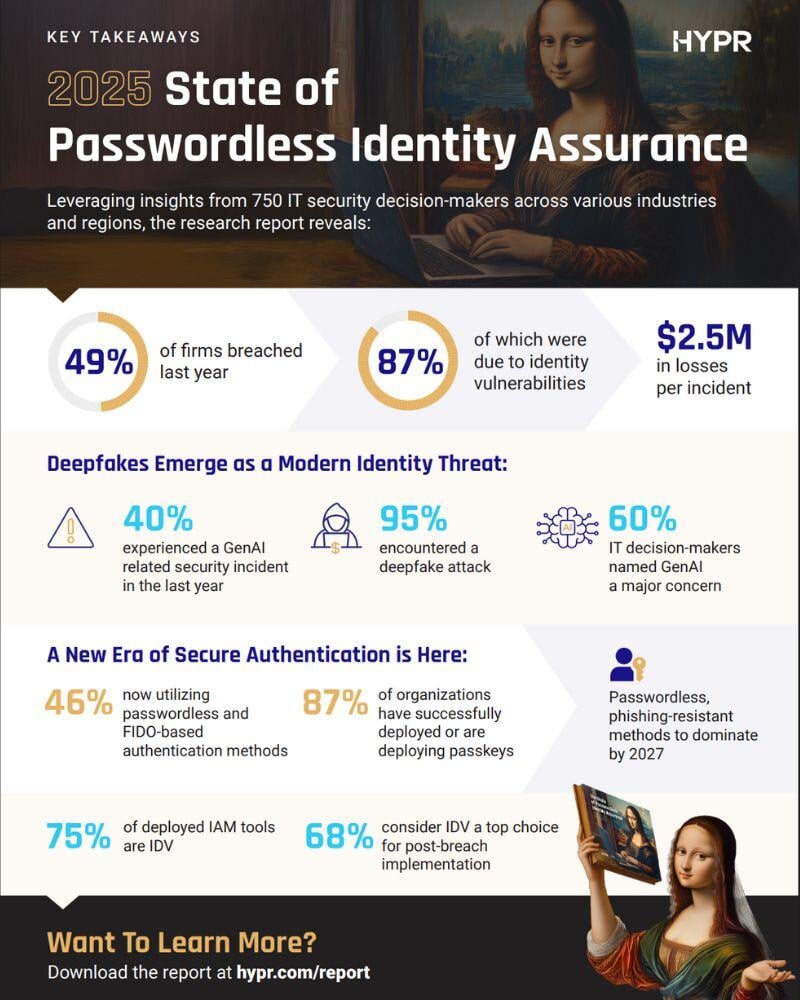
The underlying security mechanics offer a robust alternative to seed phrases. As noted in official documentation from Circle and Helius, passkeys are generated and stored securely within the user's device environment. This approach eliminates the risk of phishing attacks that target static credentials, providing a more resilient framework for enterprise-grade digital asset management.
No comments yet. Be the first to share your thoughts!