
How passkey wallets work
Passkey wallets replace the traditional seed phrase with a cryptographic key pair where the private key remains on your device in a secure hardware module. Instead of memorizing a string of words, you use biometrics or a device PIN to access the key. This mechanism shifts the burden of security from human memory to device hardware, making the wallet significantly harder to steal remotely.
The process begins with local key generation. When you create a passkey wallet, your device generates a unique public-private key pair. The private key never leaves the device's secure enclave, while the public key is registered with the blockchain network. To sign a transaction, you authenticate with your fingerprint or face, and the device uses the private key to create a signature without exposing the key itself.
This architecture eliminates the most common failure point in crypto: seed phrase loss or exposure. Traditional wallets require you to write down and store a recovery phrase, which can be stolen, lost, or copied. Passkey wallets remove this step entirely. Authentication is handled by the device's operating system, which is designed to protect sensitive data. This makes onboarding smoother and reduces the risk of phishing attacks that target seed phrases.
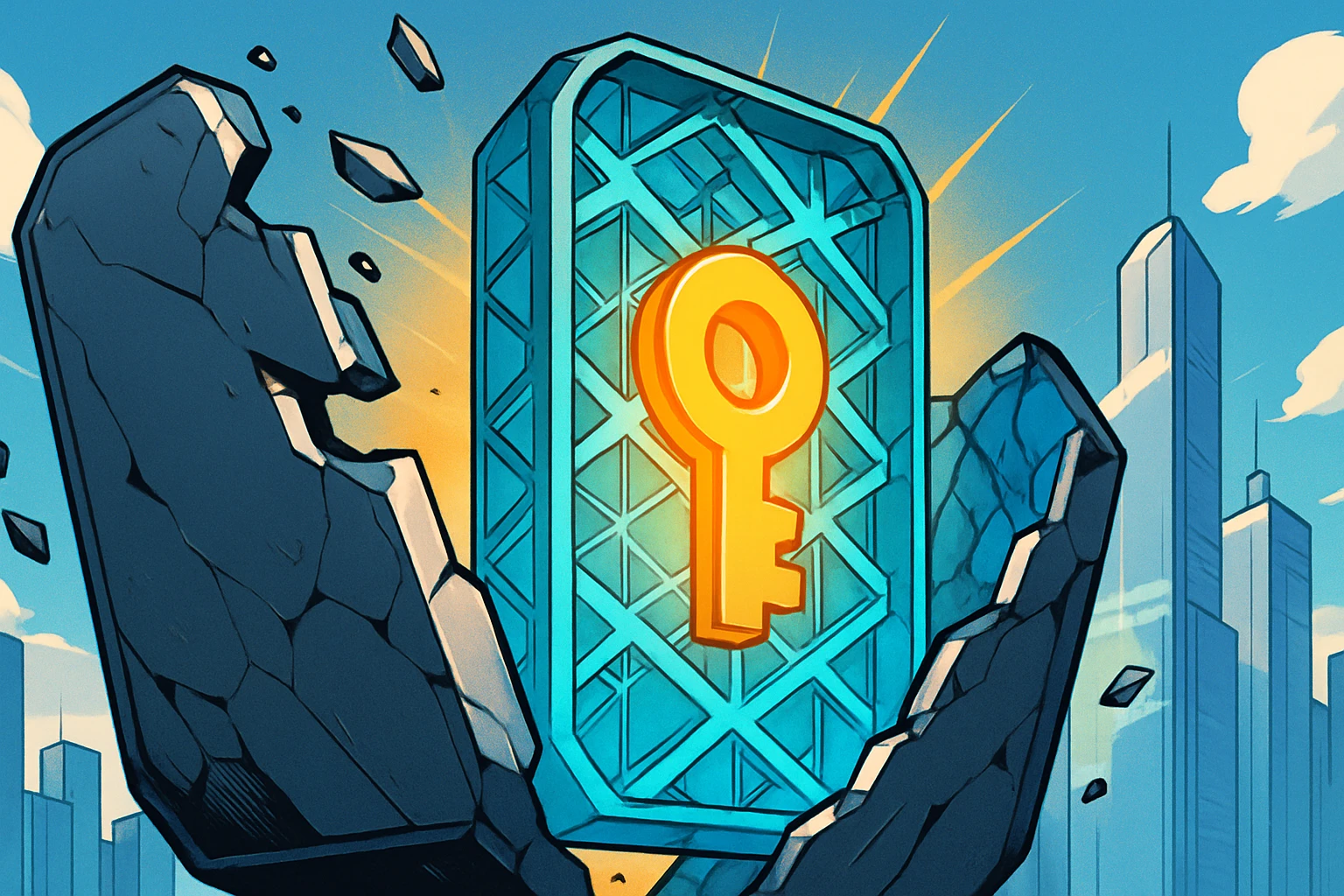
While passkeys improve security, they are not immune to all threats. Session hijacking remains a risk, where attackers steal active session cookies to bypass authentication. However, this is a different vector than seed phrase theft. The core advantage of passkey wallets is that the private key is never transmitted or stored in a way that can be easily copied. This makes them a more robust foundation for mainstream crypto adoption.
Security advantages over seed phrases
Passkey wallets fundamentally change the security model by replacing the fragile, user-dependent seed phrase with device-bound public-key cryptography. Traditional seed phrases are static strings of words that, once written down or copied, offer no protection against theft or phishing. If a hacker phishes your seed phrase, they have full, irreversible access to your funds. Passkeys eliminate this single point of failure by tying the private key to your device’s secure enclave, requiring biometric verification or a PIN for every transaction.
The primary advantage lies in phishing resistance. Unlike traditional password managers or seed phrases, passkeys are context-bound. A passkey generated for a specific domain or blockchain network will not work on a malicious imitation site. Even if a user is tricked into visiting a fake wallet interface, the passkey will not authenticate, effectively neutralizing credential stuffing and phishing attacks that have plagued the crypto space for years.
Note: While passkeys are highly resistant to phishing, they are not immune to all threats. Session hijacking remains a risk where attackers steal active cookies to bypass authentication entirely. Always ensure you are on the official URL and monitor your active sessions.
This shift moves security from the user’s memory to the device’s hardware. You no longer need to memorize or securely store a 12- or 24-word recovery phrase. Instead, the cryptographic key never leaves your device, and signing operations happen locally. This design significantly reduces the attack surface, making it much harder for bad actors to intercept credentials during login or transfer processes.
Major passkey wallet platforms
The passkey wallet landscape is shifting from experimental prototypes to established infrastructure. Three platforms currently define the market: Exodus, Coinbase Base, and Dynamic. Each targets a different segment of the crypto economy, balancing security, accessibility, and developer utility.
Exodus Passkeys Wallet targets retail users migrating from traditional finance. By generating private keys locally on the device and encrypting them with the user’s biometric data, Exodus removes the friction of seed phrase management. This approach prioritizes a polished onboarding experience, making it easier for non-technical users to interact with Web3 applications without sacrificing the self-custody model. The wallet integrates directly with the Exodus ecosystem, allowing users to trade and swap assets immediately after creation.
Coinbase Base offers a different value proposition by embedding passkey technology into its Layer 2 network. Rather than just a standalone wallet, Base leverages passkeys to streamline on-chain interactions for millions of Coinbase users. This integration reduces the cognitive load of managing complex wallet addresses, effectively bridging the gap between centralized exchange familiarity and decentralized ownership. It is particularly effective for high-volume, low-friction transactions where speed and ease of use are paramount.
Dynamic serves the developer and Web3 native segment, focusing on embedded wallets for applications. Instead of forcing users to leave an app to manage keys, Dynamic allows developers to integrate passkey authentication directly into their interfaces. This mobile-first approach treats the wallet as a seamless part of the user experience, enabling instant login and transaction signing within the app itself. It is the preferred choice for platforms aiming to onboard users without requiring them to install additional software.

| Platform | Primary Audience | Security Model | Supported Chains |
|---|---|---|---|
| Exodus Passkeys | Retail & Beginners | Local device encryption | Bitcoin, Ethereum, Solana, etc. |
| Coinbase Base | Mass Market Users | Biometric + L2 integration | Base, Ethereum L2s |
| Dynamic | Developers & Apps | Embedded passkey auth | Multi-chain SDK support |
Onboarding without the seed phrase
The most immediate change for new users is the removal of the seed phrase. In traditional crypto wallets, writing down twelve or twenty-four words is a mandatory, high-stakes step that often leads to lost funds if done incorrectly. Passkey wallets replace this manual burden with device-level authentication. The private key is generated and stored within the device’s secure hardware module, such as the Secure Enclave on iOS or Android’s Keystore system [src-serp-5].
This shift transforms onboarding from a technical hurdle into a familiar action. Users create a wallet by simply using Face ID, Touch ID, or their device PIN. There is no complex mnemonic backup to memorize or physically store. The cryptographic key pair remains on the device, meaning the user never has to interact with the raw private key. This design aligns with how users already authenticate for banking, email, and social media, reducing cognitive load and friction [src-serp-1].
The result is a polished entry point that feels native to the operating system. Instead of guiding users through a confusing recovery process, the wallet leverages existing trust in the device’s biometric sensors. This approach sharpens the user experience by removing the most common point of failure in traditional wallet creation: human error during backup.
Security limitations of passkey wallets
Passkey wallets shift the burden of security from the user to the device and the operating system. While this removes the risk of losing a seed phrase, it introduces new attack vectors that users must understand. The technology is not a silver bullet; it is a trade-off between convenience and specific technical vulnerabilities.
Session hijacking risks
The most significant threat to passkey wallets is session hijacking. Passkeys protect the credential itself, but they do not protect the active session cookie. If a user visits a malicious site or clicks a phishing link, an attacker can steal the session token. This allows them to bypass the passkey entirely, as they are not trying to authenticate; they are simply using the already-established trust of the browser session. This method sidesteps multi-factor authentication and biometric checks.
Device loss and recovery
Losing your device means losing access to your wallet, as the private keys are generated locally and encrypted by the device’s secure enclave. Unlike a seed phrase, which is a portable backup you hold in your mind or on paper, a passkey is tied to the specific hardware. If the device is lost, stolen, or damaged, recovery depends entirely on the device manufacturer’s account recovery policies, which can be slow or impossible without proof of identity.
Centralized points of failure
Passkeys rely on cloud backups provided by Apple, Google, or Microsoft. This creates a centralized point of failure. If these providers experience an outage or a security breach, your ability to authenticate could be compromised. Additionally, if an attacker gains access to your cloud account, they may be able to reset or replicate your passkeys, depending on the provider’s security protocols.
No comments yet. Be the first to share your thoughts!