
The 2026 passkey standard explained
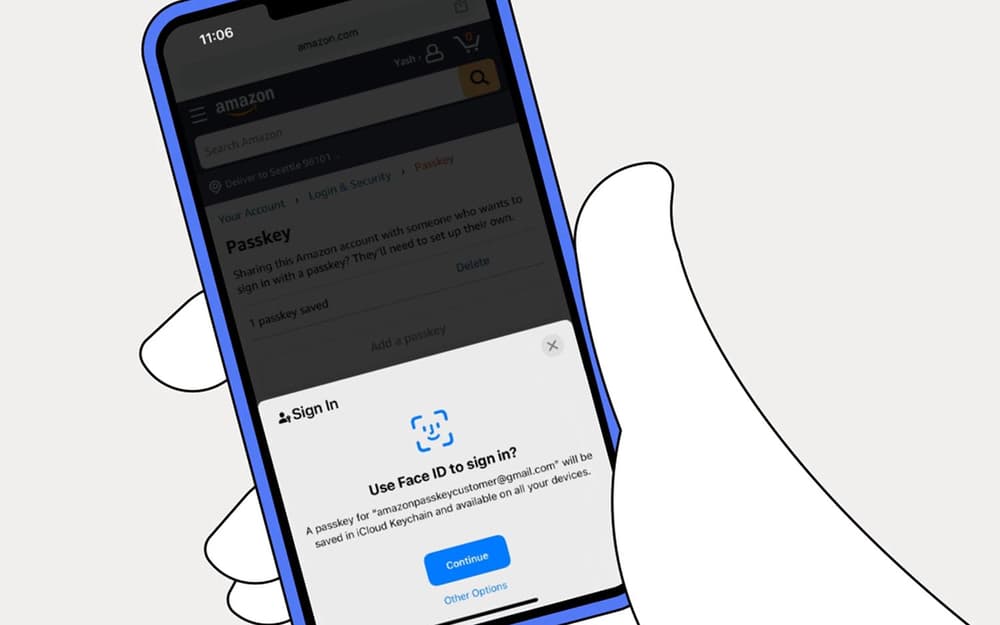
A passkey wallet is a Web3 smart account that replaces traditional seed phrases with device-bound biometric authentication. Instead of memorizing a 12-word recovery string, the wallet relies on the secure enclave of your smartphone or computer. This shift uses the WebAuthn standard to bind cryptographic keys to your device, allowing you to sign transactions with FaceID, TouchID, or a PIN.
This approach transforms how you interact with blockchain technology. The private key never leaves your device, and the biometric check ensures that only you can authorize a transaction. As the Passkeys Foundation notes, this technology offers a superior user experience by removing the friction of manual key management while maintaining high security standards.
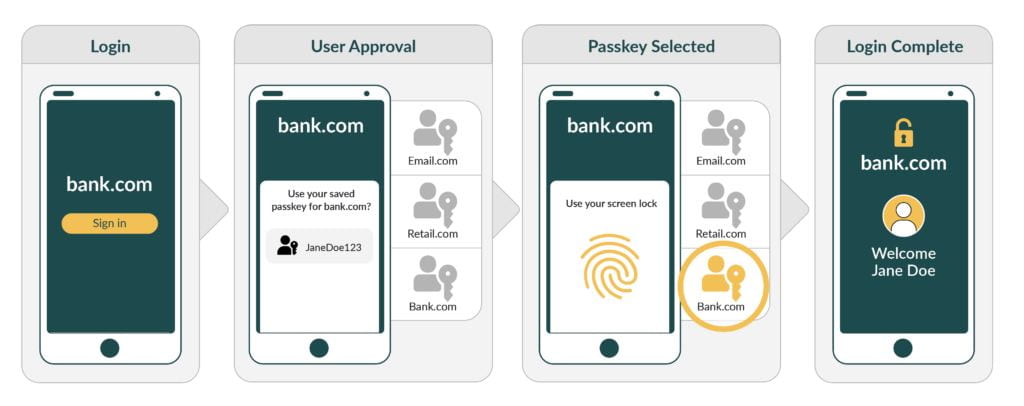
The mechanism is straightforward. When you create a passkey wallet, your device generates a public-private key pair. The private key is encrypted and stored in the device's hardware security module. To sign a transaction, you authenticate with your biometrics, and the device uses the stored key to create the signature without exposing it to the app or the network.
While this standard simplifies onboarding, it does not eliminate risk entirely. Security still depends on the integrity of your device. If your phone is compromised by malware, the biometric check may not prevent unauthorized access. Understanding this trade-off is essential for anyone adopting passkey wallets in 2026.
Passkey wallets 2026 vs seed phrases
The choice between passkey wallets and seed phrases defines the modern crypto experience. Passkey wallets 2026 models prioritize frictionless access by leveraging the biometric authentication already built into your phone or laptop. Seed phrases remain the standard for self-custody, requiring you to manually record and protect a string of words.
The trade-off is simple: convenience versus total control. Passkeys remove the burden of memorization but introduce platform dependency. Seed phrases offer absolute sovereignty but require rigorous physical security habits to prevent loss or theft.
Security and Recovery
Seed phrases are vulnerable to physical theft, digital phishing, and simple human error. If you lose your written backup, your assets are gone forever. Passkeys rely on device-level security, making them resistant to remote phishing attacks, but they can be locked if your device is lost or if the platform restricts access.
Recovery paths differ sharply. Seed phrase recovery is entirely self-directed but unforgiving. Passkey recovery often depends on the wallet provider’s infrastructure, which can introduce platform lock-in if not handled via multi-party computation (MPC) hybrids.
Comparison: Passkey vs Seed Phrase
| Feature | Passkey Wallets | Seed Phrase Wallets |
|---|---|---|
| Authentication | Biometric (Face ID, Touch ID) | Mnemonic Phrase (12-24 words) |
| Phishing Resistance | High (domain-bound) | Low (user must verify URLs) |
| Recovery Complexity | Medium (provider-dependent) | High (self-managed, irreversible) |
| Device Dependency | High (tied to hardware) | Low (works on any device) |
| Best For | Daily users, new entrants | Long-term storage, experts |
Which Model Fits Your Needs?
If you prioritize ease of use and want to avoid the anxiety of losing a physical backup, passkey wallets provide a smoother onboarding process. They integrate seamlessly with existing device security layers, making them ideal for active traders and casual users.
For long-term storage or significant holdings, seed phrases remain the gold standard. They ensure that no third party or platform can restrict your access, provided you maintain secure, offline backups. The choice ultimately depends on how much control you are willing to manage in exchange for convenience.
Recovery mechanics in 2026
Passkey wallets replace your private key with a biometric fingerprint or face scan, making them easy to use but tricky to recover. If your phone breaks or the operating system updates, you might find yourself locked out of your crypto. This is the central tension of 2026: convenience versus control.
Most passkey wallets rely on the platform itself—Apple or Google—to store the key. This creates a single point of failure. If the platform changes its policy or your device is compromised, access is at risk. Para’s 2026 analysis highlights that passkey-only wallets face seven distinct failure modes, including platform lock-in and domain binding issues [src-serp-3].
To mitigate this, 2026 sees a shift toward hybrid recovery models. Social recovery wallets like Argent and Soul Wallet allow trusted contacts to help restore access if you lose your device [src-serp-2]. Multisig solutions like Safe require multiple signatures, ensuring no single point of failure. These methods sacrifice some convenience for robust security, offering a safety net that platform-dependent passkeys lack.
| Feature | Passkey Only | Social Recovery | Multisig |
|---|---|---|---|
| Recovery Speed | Instant | Slow (days) | Slow (days) |
| Single Point of Failure | Yes (Platform) | No | No |
| Complexity | Low | Medium | High |
Where passkey-only wallets break down
Passkey-only wallets promise frictionless crypto access, but they introduce structural risks that pure biometric authentication cannot resolve. While convenient for casual users, these wallets often create single points of failure and operational friction that become critical in high-stakes transactions.
Platform lock-in and recovery gaps
Passkeys are tightly bound to the device and operating system that created them. If you switch phones or lose access to your Apple ID or Google Account, recovering your crypto assets becomes an administrative nightmare rather than a simple seed phrase backup. This platform lock-in means your wallet is only as secure as your identity provider’s account recovery processes.
Domain binding and phishing risks
Passkeys rely on strict domain binding to prevent phishing. However, this feature is not universally supported across all dApps or wallet interfaces. When domain binding fails or is bypassed, users remain vulnerable to sophisticated phishing attacks that mimic legitimate interfaces, effectively neutralizing the biometric security layer.
Gas cost penalties and agent limitations
Using passkey wallets often incurs higher gas costs due to the additional signature verification overhead required by the blockchain. In addition, passkey-only wallets cannot sign transactions for automated agents or smart contract interactions, limiting their utility to manual, user-initiated trades. This restriction makes them unsuitable for complex DeFi strategies or recurring payments.
Choose the right wallet architecture
Selecting a passkey wallet depends on how you balance convenience against total control. While passkeys simplify onboarding by using biometrics like Face ID, they are not immune to attacks, as recent research indicates potential vulnerabilities in device-based authentication.
The choice ultimately rests on your risk tolerance. For daily trading and casual use, a passkey wallet offers the best user experience. For long-term holdings, consider Multi-Party Computation (MPC) or social recovery models, which distribute trust and reduce single points of failure.
No comments yet. Be the first to share your thoughts!