
What makes a passkey wallet different
A passkey wallet replaces the traditional mnemonic seed phrase with a cryptographic key pair anchored to your device’s hardware. Instead of writing down twelve or twenty-four random words that you must memorize or store physically, the private key is generated locally and encrypted within a Secure Enclave or Trusted Platform Module. This architecture shifts the burden of security from human memory to hardware isolation.
The technology relies on the WebAuthn standard, which allows your device to authenticate using biometrics or a fingerprint. When you initiate a transaction, the device signs the data without ever exposing the private key to the operating system or the internet. As noted by the Passkeys Foundation, this design allows users to create wallets and complete transactions with a level of ease previously reserved for centralized exchanges, while maintaining non-custodial control.
This distinction fundamentally changes the risk profile. Seed phrases are vulnerable to physical theft, digital screenshot leaks, and social engineering attacks targeting human memory. Passkey wallets mitigate these risks because the key material is bound to the specific device and requires biological verification to access. If your phone is lost, the keys remain inaccessible without your biometric presence, whereas a stolen seed phrase grants immediate, irreversible access to the associated funds.
The user experience shift is equally significant. Onboarding a passkey wallet typically takes seconds rather than minutes, as it eliminates the manual entry and verification of recovery phrases. This friction reduction is critical for mass adoption in finance, where complex onboarding processes often deter new users from entering the crypto market. By integrating familiar authentication methods, passkey wallets bridge the gap between traditional banking security and blockchain accessibility.
Security benefits over traditional seed phrases
Passkey wallets fundamentally alter the threat model for cryptocurrency storage by replacing human-managed secrets with device-bound cryptographic keys. Traditional seed phrases require users to manually record and safeguard a string of twelve to twenty-four words. This process creates a single point of failure: if the phrase is exposed, lost, or copied, the associated assets are compromised. Passkeys shift this burden from the user’s memory to the device’s secure enclave, where private keys never leave the hardware.
The most significant advantage is phishing resistance. In a traditional setup, a user might enter their seed phrase into a fraudulent website that mimics a legitimate exchange or wallet interface. Passkeys eliminate this vector by binding the authentication key to the specific domain. A passkey generated for wallet.example.com cannot be used to authenticate on fake-wallet.evil.com. The cryptographic protocol ensures that the key is only valid for the intended service, rendering credential harvesting attacks ineffective.
This domain binding also neutralizes social engineering attacks targeting seed phrase recovery. Attackers often manipulate users into revealing recovery phrases under the guise of customer support or urgent verification. Because passkeys are stored in the device’s secure hardware module and require local biometric or PIN verification to sign transactions, there is no phrase to reveal. The private key remains inaccessible to external entities, including the wallet provider, effectively closing the door on recovery-based social engineering.
By removing the human element from key management, passkey wallets reduce the likelihood of catastrophic loss due to user error or manipulation. The security relies on the integrity of the device’s hardware and the operating system’s security protocols, which are significantly harder to compromise remotely than a written list of words. This shift represents a move from user-dependent security to system-enforced security.
The 2026 UX Shift: Biometrics Replace Seed Phrases
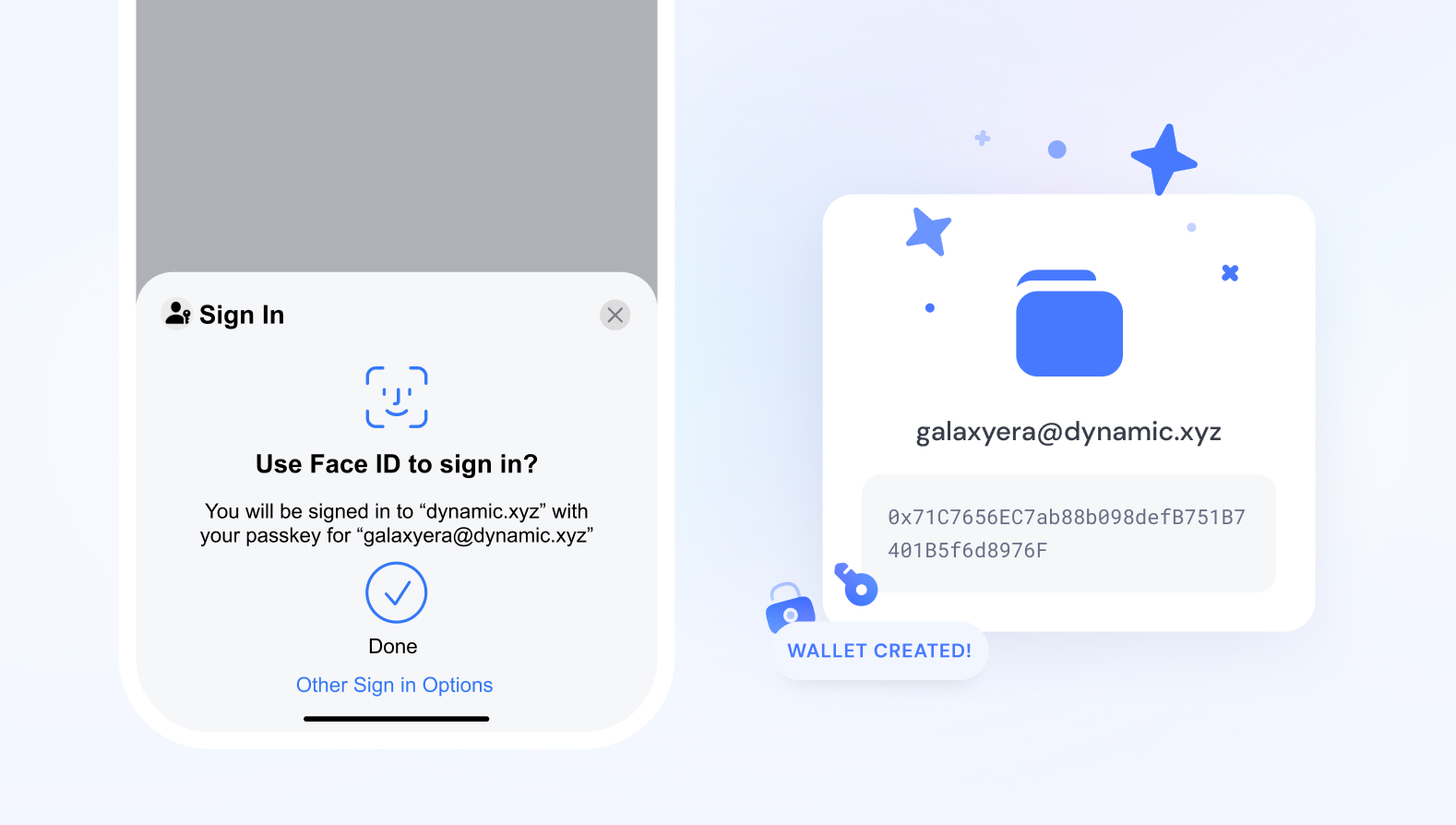
By 2026, the user experience for passkey wallets has moved beyond novelty into practical necessity. The friction of writing down, storing, and recovering 12 to 24 random words is gone. Instead, authentication relies on device-native biometrics—Face ID, fingerprint scans, or PINs—that users already trust for banking and social media.
This shift fundamentally changes how private keys are handled. In a passkey wallet, the private key is generated locally on the device and encrypted using the device’s secure enclave. The user never sees the seed phrase. This eliminates the single biggest point of failure in traditional crypto onboarding: human error during backup.
Cross-Device Sync via Cloud Providers
The most significant UX win is seamless cross-device synchronization. Because passkeys are tied to cloud providers like Apple iCloud Keychain or Google Password Manager, users can restore their wallet on a new device simply by verifying their identity with their biometric data.
This removes the anxiety of "device loss." In the past, losing a phone meant potentially losing access to funds forever if the seed phrase was misplaced. Now, the recovery process is as simple as logging into a new phone with a Face ID scan. The cryptographic proof of ownership travels with the user’s identity, not the hardware.
Onboarding in Seconds, Not Minutes
The result is an onboarding flow that takes seconds rather than minutes. There is no manual entry of alphanumeric strings, no confirmation steps to catch typos, and no reliance on paper backups. Users sign up with the same ease they use to create a social media account.
This simplicity is driving adoption. As Coinbase and other major platforms integrate passkey-backed smart wallets, the barrier to entry for non-technical users drops significantly. The technology handles the complexity of key management in the background, presenting a clean, familiar interface to the user.
Market adoption and major wallet integrations
The transition from seed phrases to passkey wallets has moved beyond experimental phases into mainstream infrastructure. Major custodial and non-custodial providers are now integrating biometric authentication as a standard feature, signaling that the industry views this shift as a permanent upgrade to user experience and security. This adoption is not limited to a single ecosystem; it spans centralized exchanges, decentralized multi-chain wallets, and mobile-first platforms.
Coinbase has embedded passkey technology directly into its Smart Wallet architecture, allowing users to manage their Base account credentials through device-native biometrics rather than memorized recovery phrases. This integration simplifies the onboarding process for new users while maintaining the security benefits of self-custody. By leveraging passkeys, Coinbase reduces the friction associated with traditional seed phrase backups, making blockchain interaction more accessible to a broader audience.
Exodus has launched Passkeys Wallet, a self-custody solution that enables developers to embed crypto wallets directly into decentralized applications. This approach allows users to authenticate transactions using familiar methods like Face ID or fingerprint scans, eliminating the need to manually input long alphanumeric strings. The integration supports multi-chain functionality, ensuring that users can manage diverse assets without compromising on security or convenience.
Trust Wallet, one of the most widely used mobile wallets, has also begun integrating passkey support, further validating the trend. By adopting passkeys, Trust Wallet aims to reduce the risk of user error associated with seed phrase management, such as losing or exposing recovery phrases. This move aligns with the broader industry goal of making cryptocurrency more user-friendly and secure for everyday transactions.
| Feature | Traditional Seed Phrase | Passkey Wallet |
|---|---|---|
| Authentication | Manual 12-24 word input | Biometric/device-native |
| Recovery | User-managed backup | Device-based or cloud-synced |
| User Friction | High (memory-dependent) | Low (familiar UX) |
| Security Model | Vulnerable to loss/theft | Tied to secure enclave |
Technical Infrastructure and Ecosystem Support
Passkey wallets rely on the WebAuthn standard to replace seed phrases with device-bound biometric authentication. This cryptographic framework allows users to create wallets and sign transactions using familiar methods like Face ID or fingerprint scans, significantly reducing onboarding friction. The Passkeys Foundation documents how this integration streamlines blockchain interactions while maintaining rigorous security protocols.
Developers are increasingly embedding WebAuthn into decentralized applications and smart wallets. By leveraging native OS capabilities across Android, iOS, macOS, and Windows, dApps can offer a seamless login experience without exposing private keys to phishing attacks. This shift moves authentication from complex mnemonic recovery to trusted hardware-backed security.
No comments yet. Be the first to share your thoughts!