

As XRP trades at $1.60 amid a modest 24-hour dip of -0.6210%, the XRP Ledger ecosystem stands at a pivotal moment. Recent innovations like Anodos Labs' passkey-secured wallet and Web3Auth's 30-second setup are quietly revolutionizing self-custody. These WebAuthn passkey wallets promise to sideline cumbersome seed phrases, offering biometric-secured access that aligns with modern security standards. For XRPL users weary of mnemonic mishaps, this shift toward seedless XRPL self-custody isn't just convenient; it's a fundamental upgrade in safeguarding assets.
Traditional XRPL wallets demand users generate and guard 12-24 word seed phrases. One misplaced phrase, and funds vanish forever. Statistics bear this out: millions in crypto lost annually to user error or theft. Yet, as hardware like Ledger integrates WebAuthn for passkey logins, the industry pivots. Passkeys, rooted in the WebAuthn standard, leverage device-bound credentials synced across platforms like iOS and Android. They resist phishing because private keys never leave your secure enclave.
The Mechanics of WebAuthn Biometric Signing on XRPL
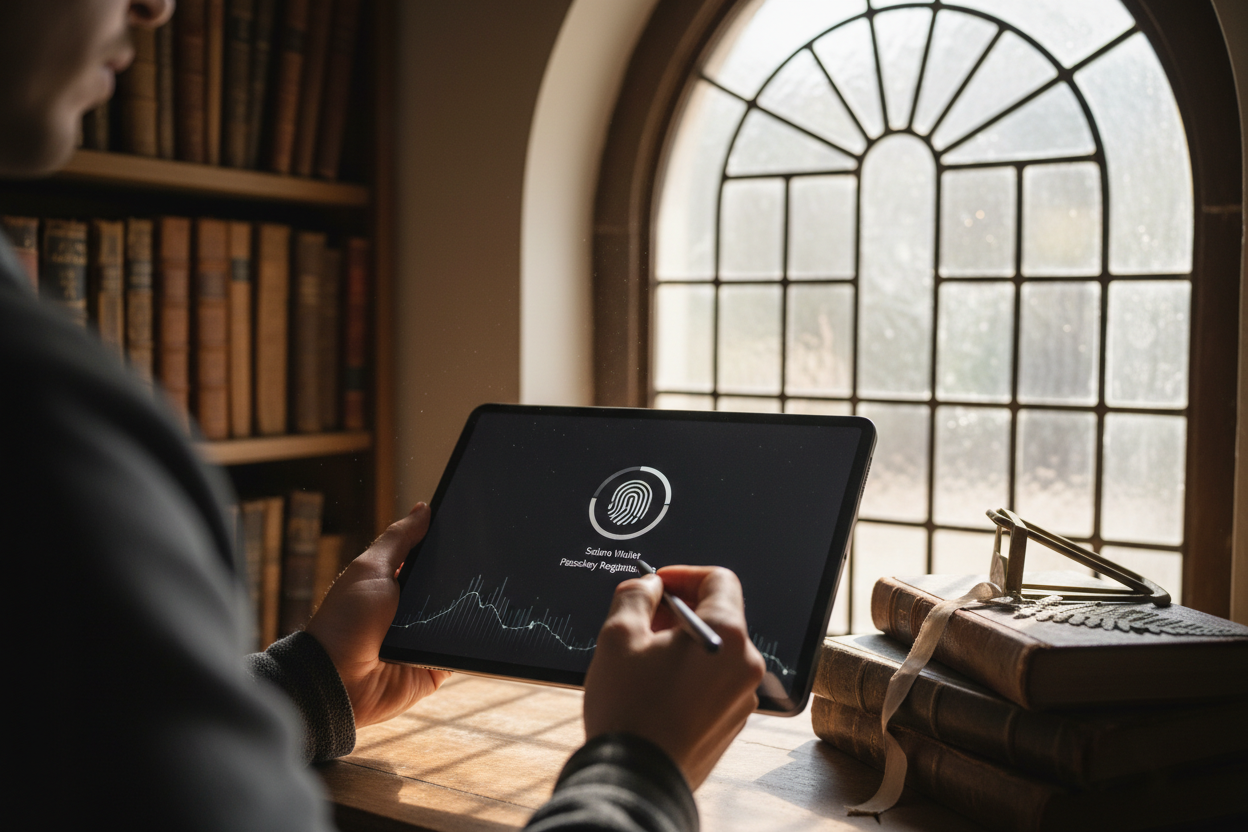
WebAuthn operates through a challenge-response protocol. When signing an XRPL transaction, your device receives a server challenge, authenticates via Face ID or fingerprint, and returns a signed response without exposing keys. This WebAuthn biometric signing integrates seamlessly with XRPL's deterministic addresses, ensuring self-custody without seeds.
Consider Anodos Wallet: launched as XRPL's first passkey-secured option, it uses device biometrics for account creation. Onboarding drops from minutes of phrase scribbling to seconds of biometric enrollment. Web3Auth complements this with multiparty computation (MPC), distributing key shards across devices for recovery without single points of failure. Their XRP Ledger wallet setup clocks in at 30 seconds, blending passwordless auth with MPC for robust protection.
Xaman remains a staple for XRPL control, but passkey integrations elevate it further, merging legacy security with futuristic ease.
Passkey XRP Ledger Wallets Outpace Seed-Based Rivals
In a landscape dominated by seed-reliant tools like Xaman or OKX's recommendations, passkey wallet XRPL solutions carve a niche. Zypto's 2025 wallet roundup highlights security features, yet overlooks passkeys' phishing resistance. Squidrouter emphasizes self-custody peace of mind, achievable now without phrase paranoia.
Ledger's Security Key app exemplifies hardware synergy: pair it with WebAuthn sites for MFA, extending to wallet signers. James Bachini's explorations on Stellar hint at cross-chain potential, with Soroban contracts enabling smart wallets via passkeys. On XRPL, this manifests as session keys for dApps, revocable on demand.
XRP Price Prediction 2027-2032
Forecasts driven by XRPL's adoption of WebAuthn passkey wallets replacing seed phrases, improving self-custody from $1.60 baseline in 2026
| Year | Minimum Price | Average Price | Maximum Price | Avg YoY % Change |
|---|---|---|---|---|
| 2027 | $1.45 | $2.40 | $4.20 | +50% |
| 2028 | $1.90 | $3.60 | $6.50 | +50% |
| 2029 | $2.80 | $5.00 | $9.00 | +39% |
| 2030 | $3.50 | $7.00 | $12.00 | +40% |
| 2031 | $4.50 | $9.50 | $16.00 | +36% |
| 2032 | $6.00 | $12.00 | $20.00 | +26% |
Price Prediction Summary
XRP prices are projected to grow substantially due to passkey innovations simplifying secure self-custody on XRPL, boosting adoption. Averages climb from $2.40 in 2027 to $12.00 by 2032 (~40% CAGR), with min/max reflecting bear/bull scenarios amid market cycles.
Key Factors Affecting XRP Price
- Mass adoption of WebAuthn passkey wallets (e.g., Anodos, Web3Auth) eliminating seed phrase risks
- Improved user onboarding and security attracting retail/institutional users
- XRPL's low-cost, high-speed transactions gaining DeFi and payment use cases
- Potential regulatory tailwinds post-Ripple clarity
- Crypto market cycles with bull runs in 2027-2028 and 2031-2032
- Competition from other L1s balanced by XRPL's enterprise integrations
- Overall market cap expansion enabling $500B+ potential for XRP by 2032
Disclaimer: Cryptocurrency price predictions are speculative and based on current market analysis. Actual prices may vary significantly due to market volatility, regulatory changes, and other factors. Always do your own research before making investment decisions.
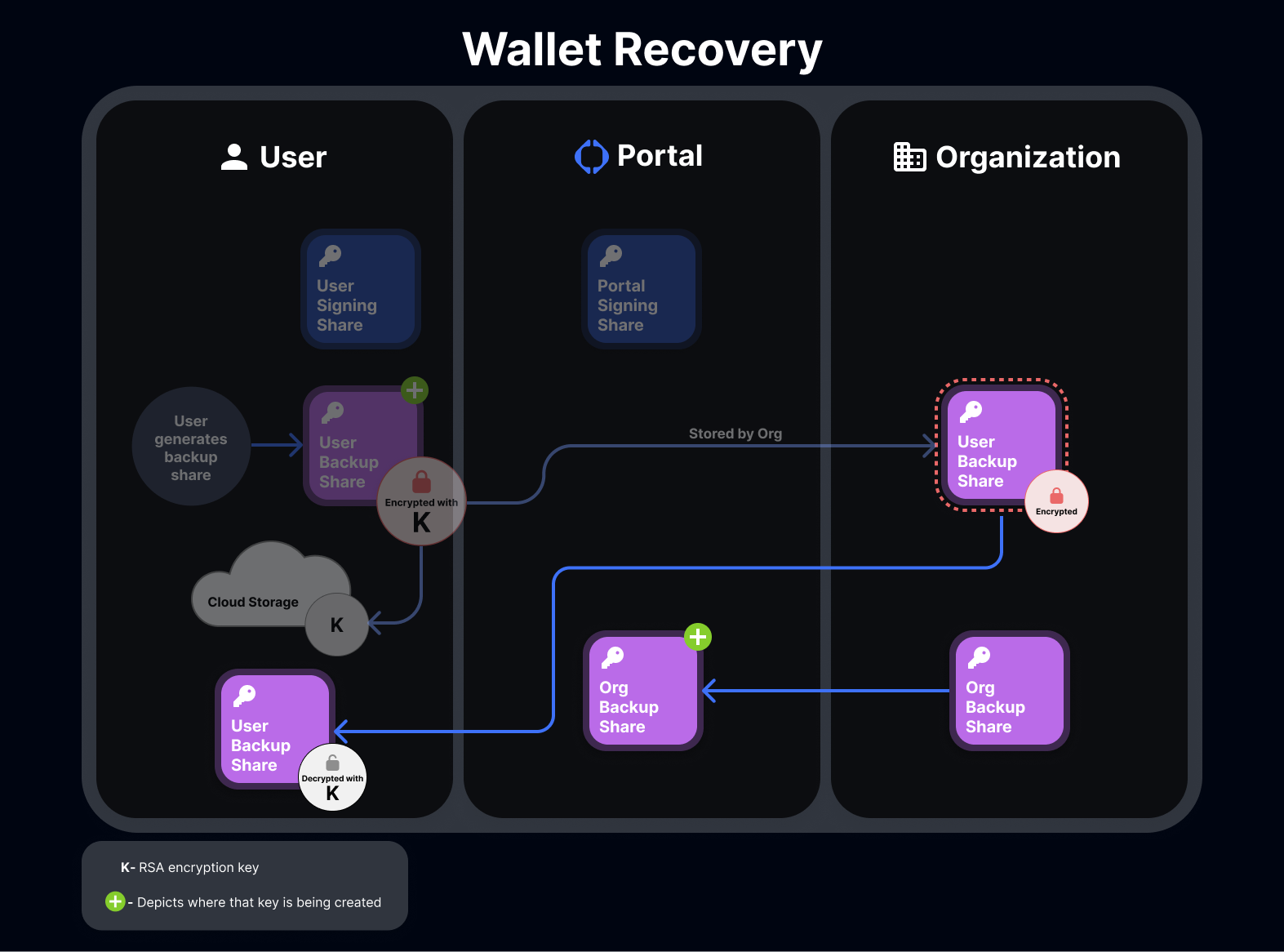
Recovery models evolve too. Bhagya Rana's analysis positions passkeys as superior: no doormat scribbles, just your phone's vault. Social recovery or MPC backups add layers, ensuring access if a device fails. For investors eyeing XRP at $1.60, these wallets lower barriers, potentially accelerating adoption amid XRPL's DeFi surge.
Real-World Advantages for Everyday XRPL Holders
Picture daily use: approve payments with a thumbprint, no app-hopping for phrases. Developers benefit via Web3Auth's MPC-passkey hybrid, embedding into dApps effortlessly. Xaman's XRPL specificity pairs well with passkey extensions, offering hybrid modes during transition.
This methodical migration preserves self-custody tenets while amplifying usability. As Binance-Peg XRP holds $1.60 despite volatility, wallets prioritizing WebAuthn position users ahead. The seed phrase era fades; passkeys herald precise, conviction-driven control in Web3.
Investors like myself, with two decades tracking cycles, see passkeys as a catalyst for XRPL's next leg up. At $1.60, XRP reflects undervaluation given DeFi expansions on the ledger. Seedless wallets remove friction for retail inflows, much like mobile banking democratized finance a decade ago. Yet skepticism lingers: can passkeys truly match hardware cold storage? The data suggests yes, with biometric enclaves rivaling chips in entropy strength.
Key Comparisons: Seed Phrases vs. Passkey XRPL Wallets
Seed phrases excel in offline generation but falter in human factors. Users forget, burn, or expose them; recovery hinges on flawless backup. Passkeys invert this: keys shard across Apple/Google ecosystems, recoverable via trusted devices or MPC shards. Web3Auth's 30-second XRPL wallet exemplifies speed without sacrifice, using threshold signatures where 2-of-3 shards suffice.
Comparison: Seed Phrase Wallets vs Passkey Wallets
| Wallet Type | Security: Phishing Resistance | Security: User Error Risk | Usability: Setup Time | Usability: Daily Signing | Recovery: Backup Method | Recovery: Multi-Device Sync | XRPL Examples |
|---|---|---|---|---|---|---|---|
| Seed Phrase Wallets | Low ❌ (vulnerable to phishing) | High ❌ (risk of losing or exposing seed) | Several minutes (generate & securely backup 12-24 words) | Manual entry or scan, error-prone | Paper, metal, or digital seed backup | No ❌, manual re-entry on new devices | Xaman |
| Passkey Wallets | High ✅ (WebAuthn phishing-resistant) | Low ✅ (no seed phrase to lose) | 30 seconds (Web3Auth) or quick biometrics (Anodos) | Seamless biometric/PIN unlock | Cloud-synced passkeys (iCloud, Google) | Yes ✅, automatic cross-device sync | Anodos Wallet, Web3Auth |
Anodos Labs' biometric focus shines for mobile-first users. Pair it with Ledger's WebAuthn app, and you bridge hot/cold paradigms seamlessly. No more vaulting paper in safes; your Face ID becomes the vault. This seedless XRPL self-custody model scales for institutions too, where compliance demands audit trails minus phrase vulnerabilities.
Advantages of Passkey XRPL Wallets
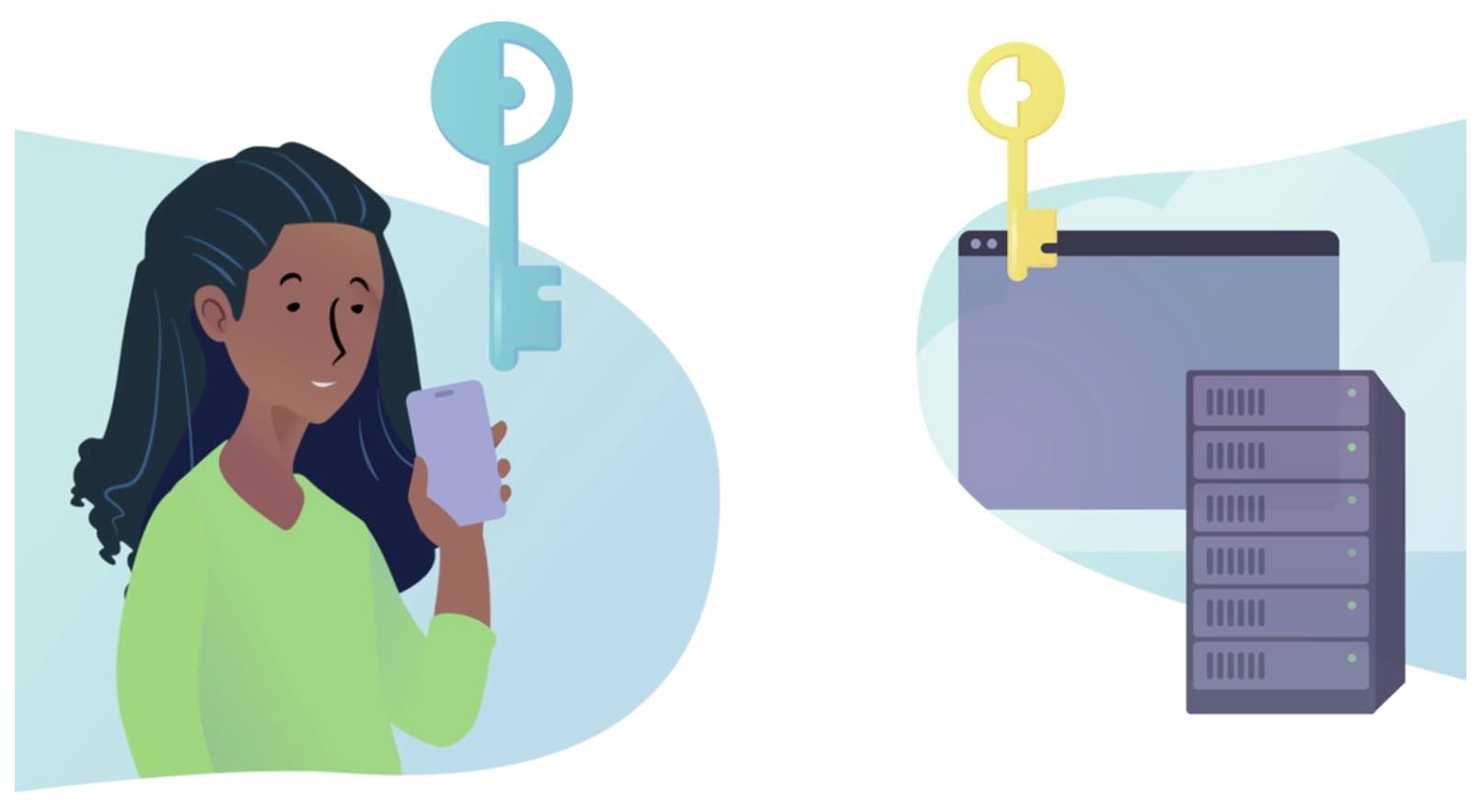
- Phishing-proof signing via device-bound keys that never leave your device, as in Anodos Wallet.
- Instant biometric auth cuts setup to seconds, like Web3Auth's 30-second XRPL wallet onboarding.

- MPC recovery beats single-phrase failure using multiparty computation, per Web3Auth.
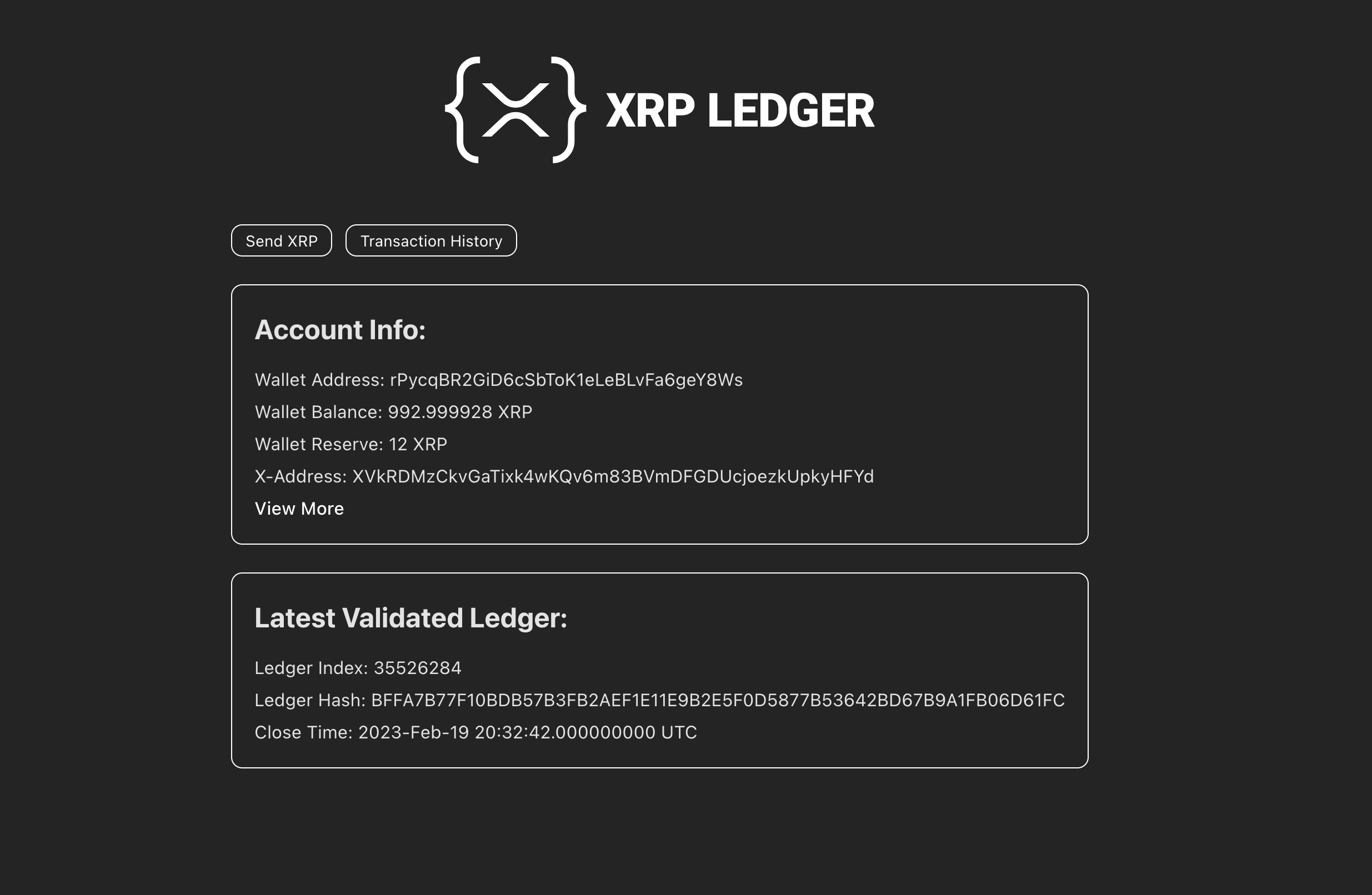
- Seamless dApp integration on XRPL, as with Xaman's self-custody for XRPL projects.
- Cross-device sync without exports via cloud-backed passkeys, like Ledger Security Key.
From a valuation lens, these tools amplify XRPL's throughput edge-1500 TPS dwarfs Ethereum's base layer. As passkey adoption climbs, transaction volume follows, bolstering XRP utility at $1.60. Macro tailwinds like regulatory clarity further juice the setup.
Onboarding and Best Practices for Passkey Security
Start with device hygiene: enable auto-lock, avoid jailbreaks. Enroll multiple biometrics if available. For Web3Auth, link email/social for MPC bootstrapping, then rotate shards periodically. Anodos simplifies further, tying directly to XRPL accounts via passkey ceremonies. Test small transfers first; revoke sessions post-dApp use.
Xaman users can hybridize: core holdings cold, passkeys for active trading. This tiered approach mirrors portfolio allocation-secure base, agile satellites. Ledger's integration ensures hardware purists transition gradually.
Developers, take note: embed WebAuthn via XRPL. js libraries for dApp sign-ins. Soroban analogs on XRPL enable smart account abstractions, where passkeys delegate temporary keys. This unlocks programmable permissions, far beyond static seeds.
For long-term holders, conviction builds on fundamentals. XRPL's low fees, instant finality, plus passkey UX, position it for mass onboarding. At $1.60, amid a -0.6210% dip, dips buy strength. WebAuthn doesn't just replace phrases; it fortifies the ledger's self-custody promise, ensuring users command their slice of decentralized finance with unyielding precision.


No comments yet. Be the first to share your thoughts!