

Passkeys and Smart Accounts for Seedless Self-Custody Crypto Wallets

In the high-stakes arena of cryptocurrency self-custody, seed phrases have long been the fragile linchpin holding fortunes together. One misplaced word, a phishing scam, or a hardware failure, and poof – your assets vanish into the ether. Enter passkeys smart accounts and seedless self-custody wallets, a potent duo reshaping Web3 security. These innovations leverage WebAuthn standards and account abstraction to deliver phishing-resistant access without the mnemonic madness, positioning users for asymmetric gains in convenience and protection.

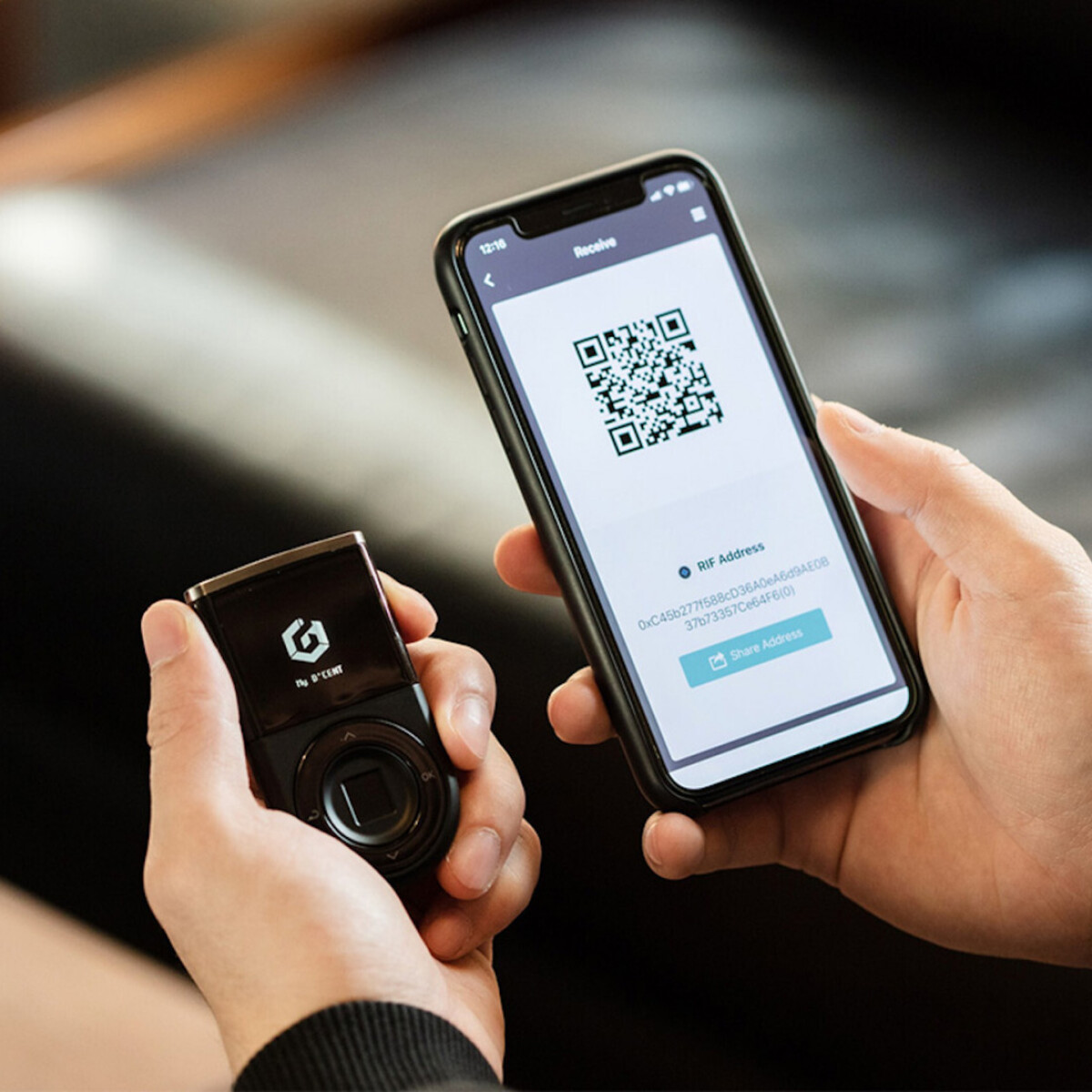
Picture this: no more scribbling 12-24 words on paper scraps or etching them into metal plates. Passkeys, rooted in the FIDO Alliance’s WebAuthn protocol, generate cryptographic key pairs where the private key never leaves your device’s secure enclave. Biometrics like Face ID or Touch ID sign transactions effortlessly, binding authentication to your hardware in a way that’s brutally resistant to remote attacks. Platforms like Circle and Solana ecosystems are already proving this model’s mettle, with developers integrating passkeys as signers for seamless blockchain ops.
Why Seed Phrases Fail Strategic Self-Custody
Seed phrases embody a false economy of security. They’re user-generated entropy, prone to transcription errors, social engineering, and physical loss. Studies and anecdotes flood Medium posts, like Bhagya Rana’s breakdown of their brittleness. Recovery hinges on perfect recall or storage, a single point of failure in a decentralized paradigm that demands resilience. Contrast this with WebAuthn crypto wallets: passkeys distribute risk across hardware modules, using public-key cryptography where the private counterpart stays locked away. No export, no copy-paste vulnerabilities. This shift isn’t just UX polish; it’s a strategic pivot, unlocking portfolio protection without custodial trade-offs.
Multi-Party Computation (MPC) amplifies this edge. By sharding key material across devices or services, MPC ensures no entity holds the full private key. ZenWallet exemplifies this, splitting shares for self-custody minus single failure points. Yet MPC alone lacks the intuitive spark. Pair it with passkeys, and you forge phishing resistant smart wallets that authenticate via device-bound challenges, sidestepping SIM swaps or password dumps.
Account Abstraction: Smart Accounts Supercharged by Passkeys
ERC-4337’s account abstraction flips the script on externally owned accounts (EOAs). Traditional wallets are dumb keys; smart accounts are programmable powerhouses. They validate custom signatures from passkeys, batch transactions to slash gas, and even sponsor fees for frictionless onboarding. Corbado and Stackup. fi docs highlight how this ERC standard meshes passkeys with smart contract logic, enabling session keys for dApps and recovery via guardians.
On Solana, Helius and Para push passkey-native UX with P-256 curves for device sessions. Ethereum mirrors this via user operations, where passkeys sign intents executed by bundlers. The result? Passkey DeFi wallets that onboard in seconds, no extensions or seeds required. Passkeys Wallet lets users fund self-custodial accounts directly on-site, blending embedded security with DeFi composability.
5 Key Passkey Advantages
-
Phishing Resistance: Passkeys use device-bound cryptographic keys via WebAuthn, preventing theft even on fake sites, as seen in Solana and Circle implementations.
-
Biometric UX: Seamless Touch ID or Face ID authentication enables passwordless, seedless onboarding, boosting adoption in wallets like Passkeys Wallet.
-

MPC Integration: Combines with Multi-Party Computation to shard keys across devices, enhancing security without single failure points, per ZenWallet and Openfort.
-
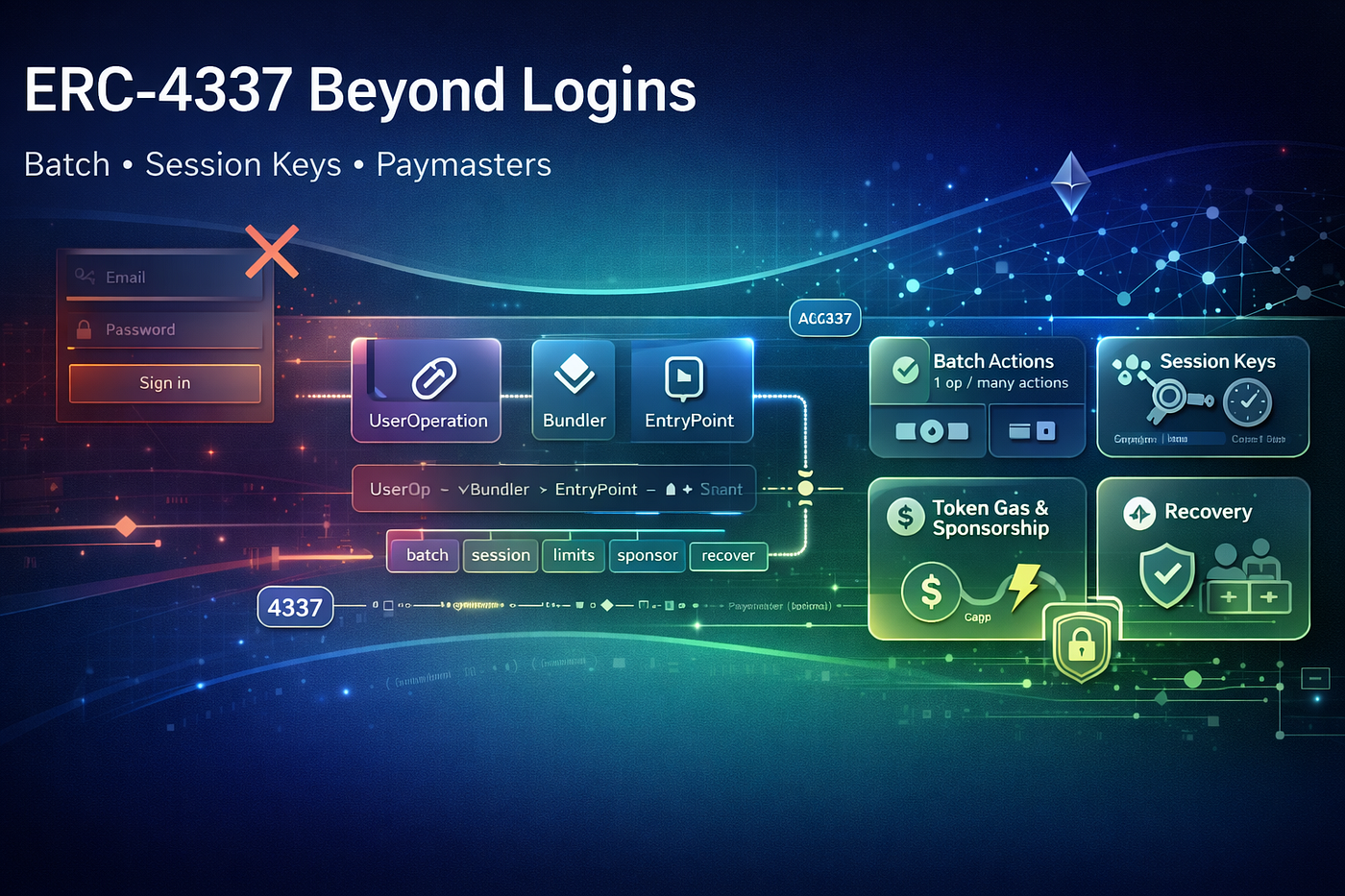
ERC-4337 Programmability: Enables smart accounts with custom signatures, batch transactions, and gas sponsorship via Account Abstraction, as in Stackup and Corbado.
-
Effortless Recovery: Leverages secure enclaves, email, and MFA for seedless recovery, eliminating phrase loss risks in Pass App and CryptSync.
Real-World Deployments Paving the Seedless Path
CryptSync’s zero-knowledge biometrics atop MPC sets a benchmark, verifying identity sans seed exposure. Pass App stores passkeys in secure enclaves, layering email and MFA for recovery – a hybrid model that retains self-sovereignty. Stellar’s light intro underscores non-custodial viability, with smart wallets automating behaviors like auto-approvals or limits. Openfort’s embedded wallets guide for 2026 developers reinforces passkeys as the non-custodial gold standard, ensuring user control amid MPC thresholds. These aren’t hypotheticals; they’re battle-tested in production. LinkedIn visions tie ERC-4337 to passkey signatures for batched actions, heralding mass adoption. As an options strategist dissecting risk-reward, I see passkeys and smart accounts as the definitive hedge against crypto’s UX drag – defined downside on loss, unlimited upside in accessibility.
Yet the true asymmetry lies in stacking these layers. Smart accounts via ERC-4337 don’t just authenticate; they execute programmable logic. Imagine approving a DeFi swap, NFT mint, and governance vote in one user operation, gas optimized and passkey-signed. This isn’t incremental; it’s exponential leverage for passkey DeFi wallets, turning clunky chains into fluid markets.
Strategic Comparison: Seedless Models Head-to-Head
Options trading taught me to map risk vectors precisely. Seedless recovery isn’t one-size-fits-all; each model trades off usability for security. Passkeys excel in phishing resistance, binding keys to biometrics and hardware. MPC shards control, ideal for institutional thresholds but heavier on computation. Social recovery invites guardian trust, a vector for collusion. Smart accounts unify them under AA, adding programmability. Embedded wallets, per Openfort’s guide, blend passkeys with MPC for developer-friendly embeds.
Comparison of Seedless Wallet Recovery Models
| Recovery Model | Pros | Cons | Best Use Case |
|---|---|---|---|
| Passkeys (Phishing-proof biometrics) | • Phishing-resistant 🔒 using WebAuthn • Seamless biometric UX (Touch ID/Face ID) • Passwordless, seedless onboarding • Device-secure private keys in enclave |
• Device-bound (loss requires recovery setup) • Platform support varies • Potential cloud sync privacy concerns |
Mobile-first apps, everyday users, Solana/Ethereum UX |
| MPC (Sharded keys) | • No single point of failure • Distributed key shares across parties/devices • Maintains self-custody (e.g., ZenWallet) • Enhanced security via computation |
• Computationally intensive • Coordination/sync challenges • Relies on multiple secure locations |
High-value holdings, enterprise/multi-device setups |
| Social Recovery (Guardians) | • Human-readable recovery via trusted contacts • No seed phrase or device dependency • Simple for non-tech users |
• Privacy risks (guardians see assets) • Trust and social engineering vulnerabilities • Coercion potential |
Personal wallets with trusted social networks |
| Smart Accounts (ERC-4337 programmable) | • Programmable logic and custom validation • Passkey integration + batch tx/gas sponsorship • Account Abstraction for better UX • Flexible recovery/behaviors |
• Smart contract risks/vulnerabilities • Gas costs and complexity • EVM-centric |
DApps, DeFi, advanced programmable wallets |
| Embedded (WebAuthn + MPC) | • Seamless in-app integration • Combines passkeys/MPC for security • No extensions or seed phrases needed • Frictionless for web/gaming |
• Provider dependency risks • Potential centralization • Implementation complexity for devs |
Web3 gaming, social apps, embedded onboarding |
Passkeys lead for retail self-custody, their WebAuthn roots ensuring device-bound resilience. Solana’s frictionless onboarding via P-256 sessions outshines Ethereum’s bundler dance, but ERC-4337 levels the field. Circle’s signer integration proves passkeys scale to production smart contracts, no seed compromises.
Implementation Edge: From Code to Capital Protection
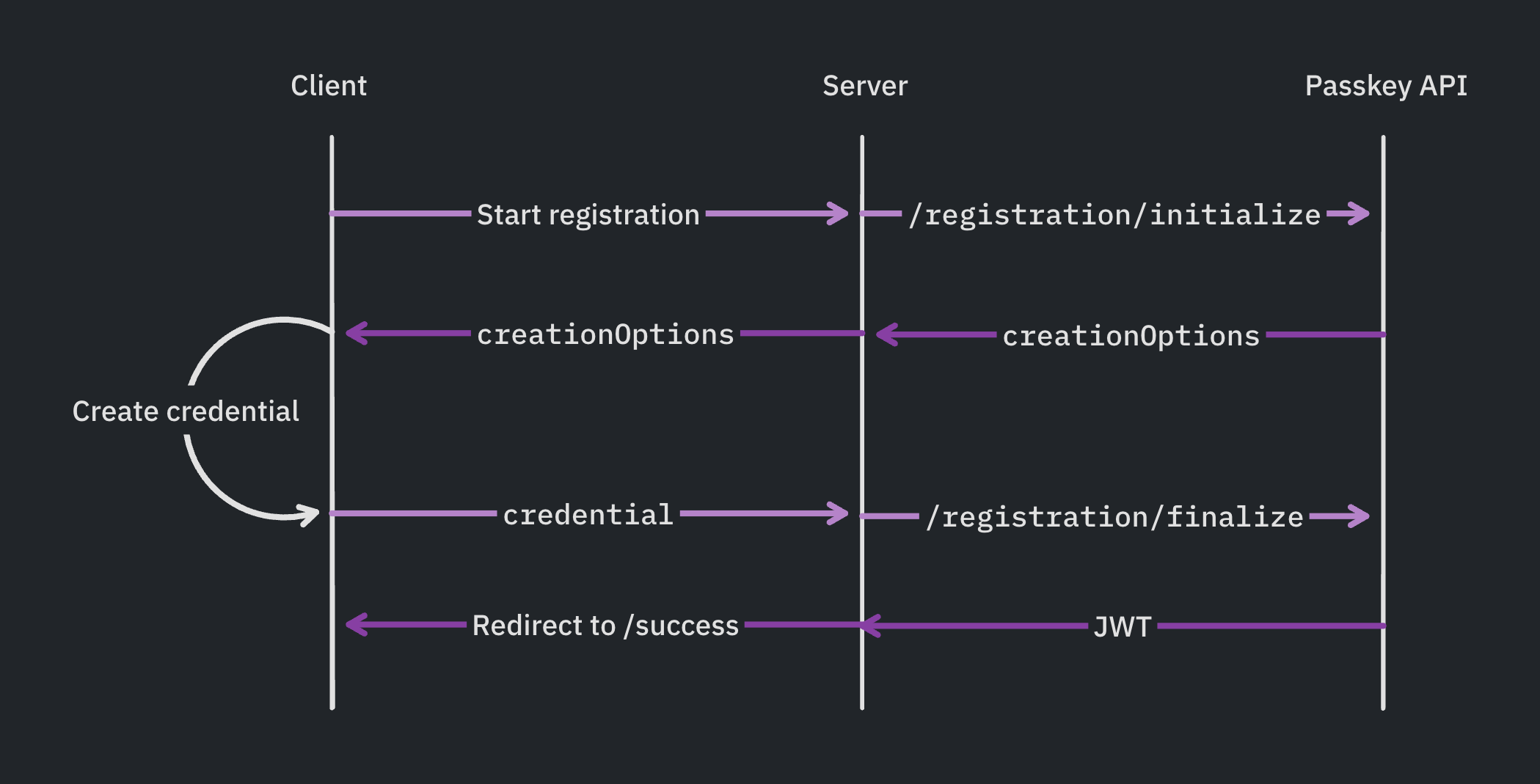
Developers, treat wallets like structured products: define risk upfront. Stackup. fi’s Ethereum guide lays bare passkey user ops – generate via WebAuthn, validate in smart accounts, bundle for efficiency. Solana’s Helius stack simplifies with native sessions. Corbado recommends hybrid smart wallets: passkeys for auth, session keys for dApps, guardians as backstop. This architecture hedges UX friction while capping loss exposure.
CryptSync pushes boundaries with zero-knowledge biometrics over MPC, verifying without exposing keys. ZenWallet’s sharding keeps self-custody pure, no honeypots. Pass App’s enclave-stored passkeys plus email recovery hybridize intuitively, a nod to human factors in high-value trades. Stellar’s non-custodial push validates programmable behaviors, like rate-limited approvals, mirroring options collars for downside protection.
In practice, these phishing resistant smart wallets slash abandonment rates. No browser extensions, no 24-word rituals – just biometric taps for funding and swaps. Passkeys Wallet’s direct on-site creation exemplifies this, onboarding users mid-dApp flow. As chains mature, expect batched actions and sponsored gas to dominate, passkeys as the universal signer.
Strategically, this pivot mirrors volatility skew in derivatives: overweight tail protection. Seed phrases are naked calls on user discipline; passkeys smart accounts are iron condors, bounded risk with theta decay on hassle. For Web3 pioneers, early adoption compounds. Deploy now, and your portfolio gains convexity – amplified returns from seamless composability, floored against legacy pitfalls. The seedless era isn’t coming; it’s here, wallets evolving faster than markets, priming users for the next bull cycle’s asymmetric opportunities.