

WebAuthn Passkey Wallets for Ethereum: Multi-Chain Support Without Seed Phrases

In a market where Ethereum trades steadily at $1,967.64, up a modest $14.02 over the last 24 hours, savvy users seek edges beyond price swings. Enter WebAuthn passkey wallets, the seedless Ethereum wallet revolutionizing multi-chain access. These phishing-resistant smart wallets leverage device-bound credentials like biometrics, ditching fragile seed phrases for seamless, secure blockchain interactions across Ethereum and beyond.

Traditional wallets chain users to 12- or 24-word mnemonics, a single point of failure prone to phishing, loss, or theft. One misplaced phrase, and fortunes vanish. Passkey wallets flip this script. Built on the WebAuthn standard, they generate private keys stored securely in device hardware, inaccessible to remote attacks. Authentication happens via fingerprint or face scan, blending convenience with fortress-level security. For Ethereum traders eyeing multi-chain opportunities, this means fluid navigation from ETH mainnet to BSC or Sepolia without juggling multiple seeds.
Unlocking Account Abstraction with Passkey Signers
At the core of a passkey crypto multi-chain setup lies Ethereum’s account abstraction via ERC-4337. Passkeys serve as signers for smart contract wallets, enabling sponsored gas, batch transactions, and session keys. Projects like Openfort’s Passkey Wallet demonstrate this prowess, integrating EIP-7702 for passwordless EVM access. No extensions, no custodians, just pure device sovereignty.
Strategically, this mirrors options trading: defined risk through smart contracts, asymmetric upside via multi-chain yield farming or DeFi plays. WebAuthn’s r1 curve signatures, though costlier than Ethereum’s native k1, justify the premium with anti-phishing defenses. Circle’s Passkey docs highlight its role as a signer for secure smart contracts, while Ethereum Research proposes SDKs for passkey-based logins in abstracted accounts.
Passkeys usher in seamless, installation-free wallet setup with robust security.
Alchemy’s guide underscores passkeys as passwordless Web3 authentication, far superior to passwords. For daily users, as Rui notes on Medium, WebAuthn delivers optimal key management, aligning perfectly with high-volume trading needs.
Multi-Chain Powerhouses: DeviceBound, Abstract, and Portkey
Ethereum (ETH) Price Prediction 2027-2032
Bullish outlook driven by WebAuthn Passkey wallet adoption, enhanced security, multi-chain support, and broader user accessibility without seed phrases
| Year | Minimum Price | Average Price | Maximum Price | YoY Growth (Avg) |
|---|---|---|---|---|
| 2027 | $3,200 | $4,800 | $7,500 | +140% |
| 2028 | $4,500 | $7,200 | $12,000 | +50% |
| 2029 | $6,000 | $10,500 | $18,000 | +46% |
| 2030 | $8,000 | $14,500 | $24,000 | +38% |
| 2031 | $10,500 | $19,000 | $32,000 | +31% |
| 2032 | $13,000 | $24,500 | $42,000 | +29% |
Price Prediction Summary
Ethereum is poised for significant growth from 2027-2032, with average prices potentially rising from $4,800 to $24,500, fueled by passkey wallet innovations that eliminate seed phrases, boost adoption, and enhance multi-chain usability. Bullish scenarios reflect market cycles, tech upgrades, and regulatory clarity, while minimums account for bearish corrections.
Key Factors Affecting Ethereum Price
- Mass adoption of WebAuthn Passkey wallets reducing user friction and phishing risks
- Multi-chain support expanding Ethereum’s ecosystem reach
- Ethereum Foundation’s push for passkey integration in smart accounts
- Market cycles aligned with Bitcoin halvings and DeFi growth
- Regulatory advancements favoring secure, user-friendly crypto solutions
- Technological improvements like account abstraction and EIP-7702
- Competition from L2s and rivals balanced by Ethereum’s dominance
Disclaimer: Cryptocurrency price predictions are speculative and based on current market analysis.
Actual prices may vary significantly due to market volatility, regulatory changes, and other factors.
Always do your own research before making investment decisions.
DeviceBound Wallet stands out as a webauth wallet ethereum pioneer, embedding private keys via WebAuthn on devices while smart contracts handle assets. It spans Ethereum Sepolia and BSC Testnet, proving multi-chain viability without seeds. Abstract Chain Wallet, coded in React and Next. js, keeps keys local and encrypted, embodying decentralized ethos.
Portkey takes it further with passkey PRF for native account creation, extension-free and custodian-agnostic. These aren’t hypotheticals; they’re live prototypes pushing Ethereum’s boundaries. The Ethereum Foundation’s Ecosystem Support Program even solicits passkey integrations for smart accounts, signaling institutional buy-in.

SevenX Ventures argues WebAuthn could save Web3 from phishing epidemics, a view I endorse after a decade structuring derivative trades where risk isolation is paramount. OneKey’s 2025 wallet guide nods to broad chain support, but passkey solutions like these eclipse MetaMask’s Ethereum focus with superior UX.
Strategic Advantages for Ethereum Multi-Chain Traders
Imagine arbitraging yields between Ethereum L2s and Solana without seed vulnerabilities. Passkey wallets enable this via session keys for delegated actions, slashing gas costs on repetitive trades. James Bachini’s video on SOR band contracts for Stellar hints at cross-chain potential, but Ethereum’s ecosystem matures faster with tools like Openfort.
Igor Pavlov’s LinkedIn post nails it: passkeys store private keys in secure device enclaves, passwordless by design. For options-minded traders, this means positioning for ETH’s next leg up at $1,967.64 with wallets that won’t falter under pressure. The Block’s insights on Web3’s passkey era predict installation-free setups dominating, and current projects validate that trajectory.
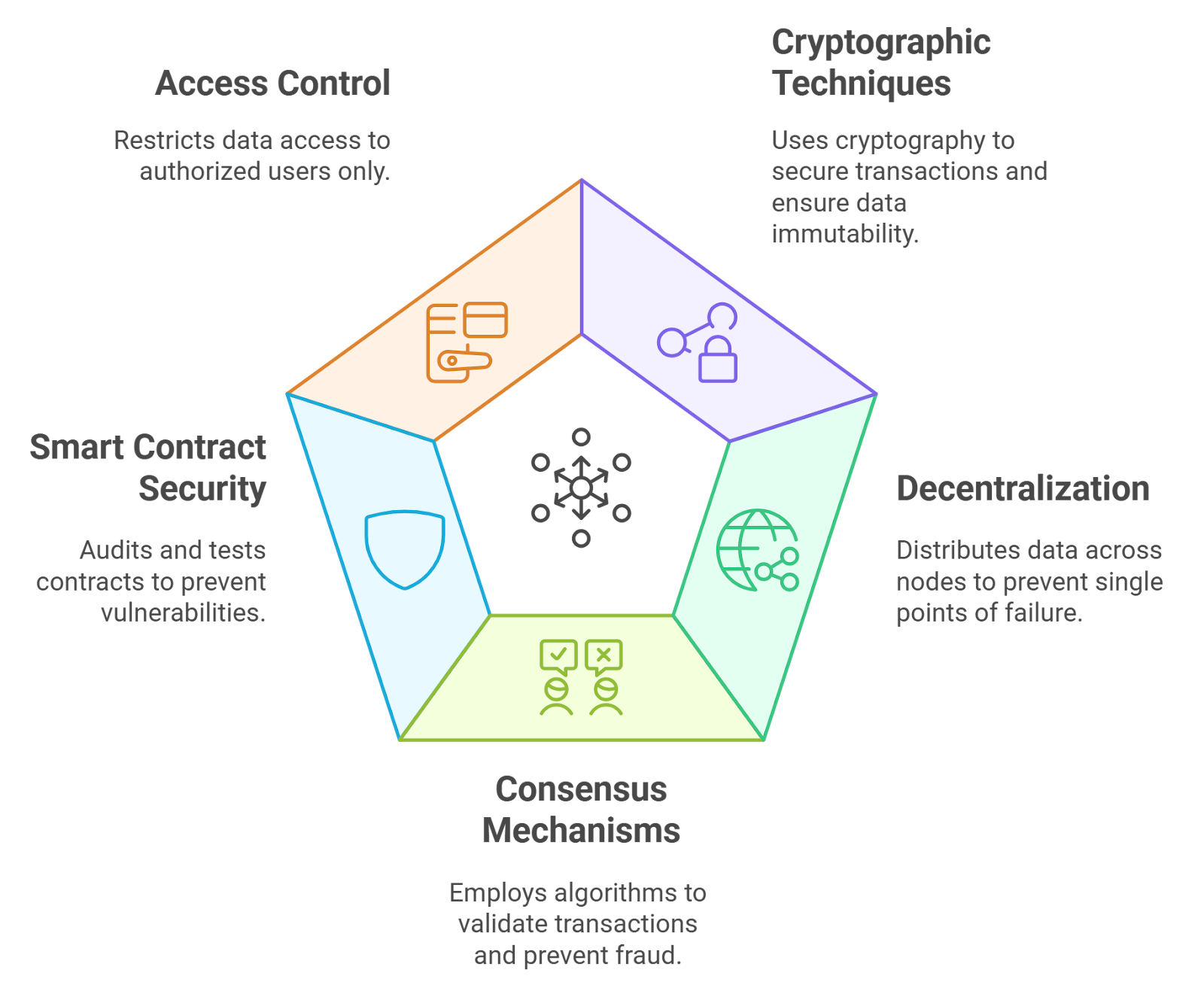
Phishing resistance isn’t buzz; it’s battle-tested. WebAuthn credentials resist man-in-the-middle attacks inherent in seed-clipboard scams. Pair this with multi-chain support, and you’ve got a phishing resistant smart wallet primed for DeFi’s expansion.
Yet scaling these innovations demands addressing signature costs. Ethereum favors secp256k1 curves, but WebAuthn relies on P-256, inflating verification gas fees. Developers counter this through optimized relayers and bundlers in ERC-4337 stacks, much like layering hedges in options spreads to cap downside. The payoff? Traders execute complex strategies across chains without exposure to seed compromises.
Layered Security: Biometrics Meet Smart Contracts
Passkey wallets layer defenses akin to a collar strategy: biometrics guard the enclave, smart contracts enforce logic. DeviceBound exemplifies this, binding keys to hardware for Ethereum Sepolia swaps or BSC yields. Abstract Wallet’s local encryption ensures even if a device falls, assets remain vaulted. Portkey’s PRF advances sidestep legacy pitfalls, creating accounts natively.
Openfort’s demo wallet bundles WebAuthn with sponsored txs and session keys, ideal for high-frequency positions. Ethereum Foundation’s push for passkey smart accounts underscores momentum; proposals could standardize this by mid-year, boosting ETH at $1,967.64 through adoption waves.
Key Passkey Wallet Benefits
-

Phishing Resistance: WebAuthn passkeys are device-bound and origin-scoped, thwarting phishing by preventing credential export—critical for secure multi-chain Ethereum trading, as noted in Ethereum Research passkey signers.
-
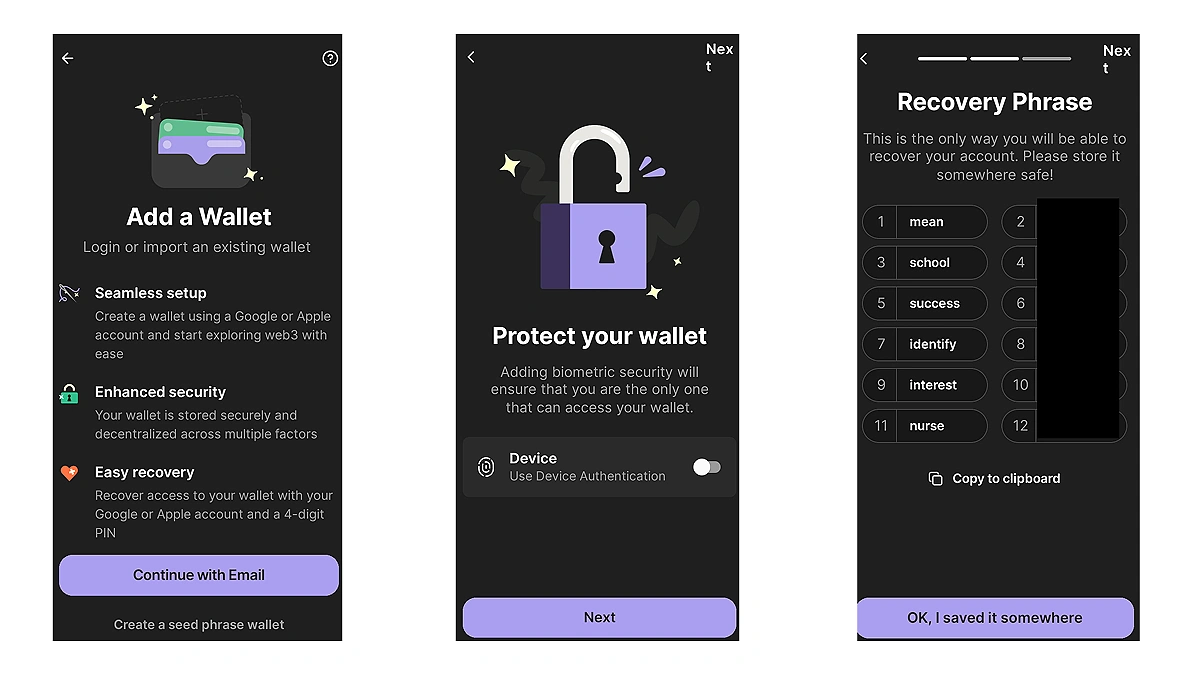
Seedless Recovery: Ditch mnemonic phrases; passkeys enable syncable, cloud-backed recovery via platforms like Apple’s iCloud Keychain or Google Password Manager, minimizing loss risks in wallets like Portkey.
-
Session Keys for Gas Efficiency: Short-lived session keys enable batched, sponsored transactions across chains, slashing gas fees—demonstrated in Openfort’s EIP-7702/ERC-4337 passkey wallet.
-
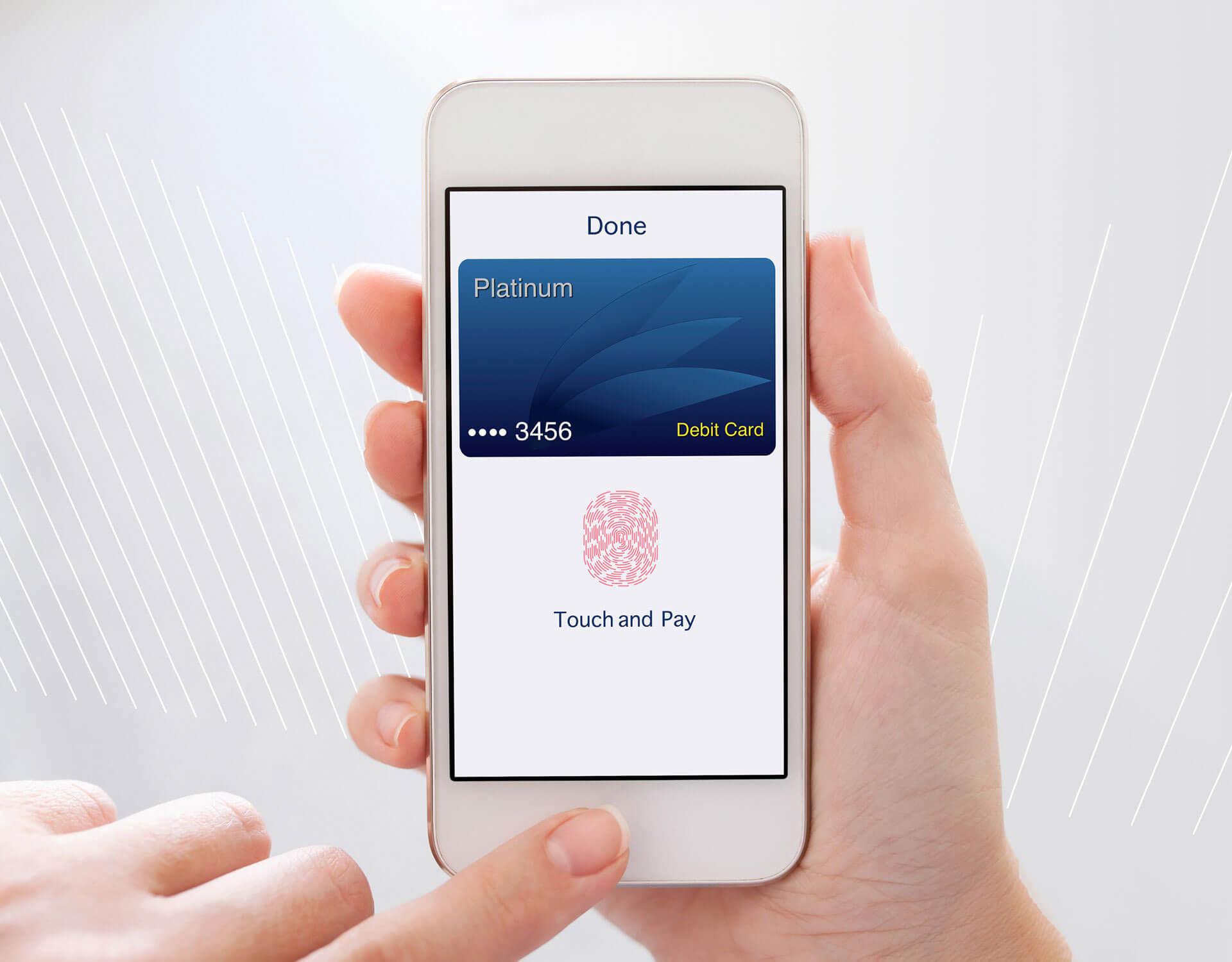
Biometrics UX: Frictionless Face ID or Touch ID auth boosts daily trading speed on Ethereum and beyond, as in DeviceBound Wallet’s multi-chain smart contracts.
From a trading lens, session keys unlock delegated arbitrage. Authorize a bot for L2 hops while you sleep, revoking on whim. No more manual approvals mid-volatility spike. This mirrors credit spreads: premium collection with ironclad limits.
Risks Mitigated: From Phishing to Device Loss
Critics flag device dependency, but multi-device sync via cloud-encrypted shards rivals Trezor recoveries without phrases. Phishing? WebAuthn’s domain-bound credentials thwart 99% of attacks, per industry benchmarks. For multi-chain setups, this means confident plays on ETH’s steady climb, eyeing breakouts above recent highs of $2,001.87.
Compare to MetaMask: extension-bound, seed-vulnerable. Passkey solutions like these prioritize sovereignty, aligning with Web3’s ethos. OneKey supports vast chains, yet lacks passkey seamlessness. As ETH holds $1,967.64 amid low-vol chops, positioning via these wallets hedges against black swans.
Strategically, integrate passkeys into hybrid models. Pair with L2s for cheap executions, relayers for gasless entries. Yield farm on Ethereum mainnet, bridge to BSC via Abstract Wallet, all under biometric lock. Bachini’s SOR insights for Stellar port well; Ethereum iterates quicker.
Rui’s Medium piece champions WebAuthn for daily users, anti-phishing paramount. The Block foresees passkey dominance, installation-free onboarding slashing barriers. SevenX Ventures spotlights curve mismatches, but bundler optimizations erode that edge.
For derivatives traders, passkeys enable precise risk sizing. Enter a DeFi perp at exact leverage, exit via batch txs, no seed slip-ups. As ETH navigates $1,907.15 lows to $1,967.64 stability, these tools fortify portfolios against exploits. Ethereum’s passkey pivot isn’t incremental; it’s the structural shift unlocking asymmetric Web3 trades. Deploy one today, trade tomorrow’s highs with yesterday’s discipline.