
XRP Ledger Passkey Wallets: Seedless WebAuthn Setup for Secure Crypto Storage
In the volatile world of cryptocurrency, where XRP trades at $1.40 amid a slight 24-hour dip of -0.0345%, securing your assets without the burden of seed phrases marks a pivotal shift. XRP Ledger passkey wallets emerge as a beacon for users seeking seedless WebAuthn setup, blending biometric security with blockchain efficiency. This approach sidesteps the pitfalls of mnemonic phrases, which often lead to lost fortunes, and leverages device-bound passkeys for phishing-resistant access.

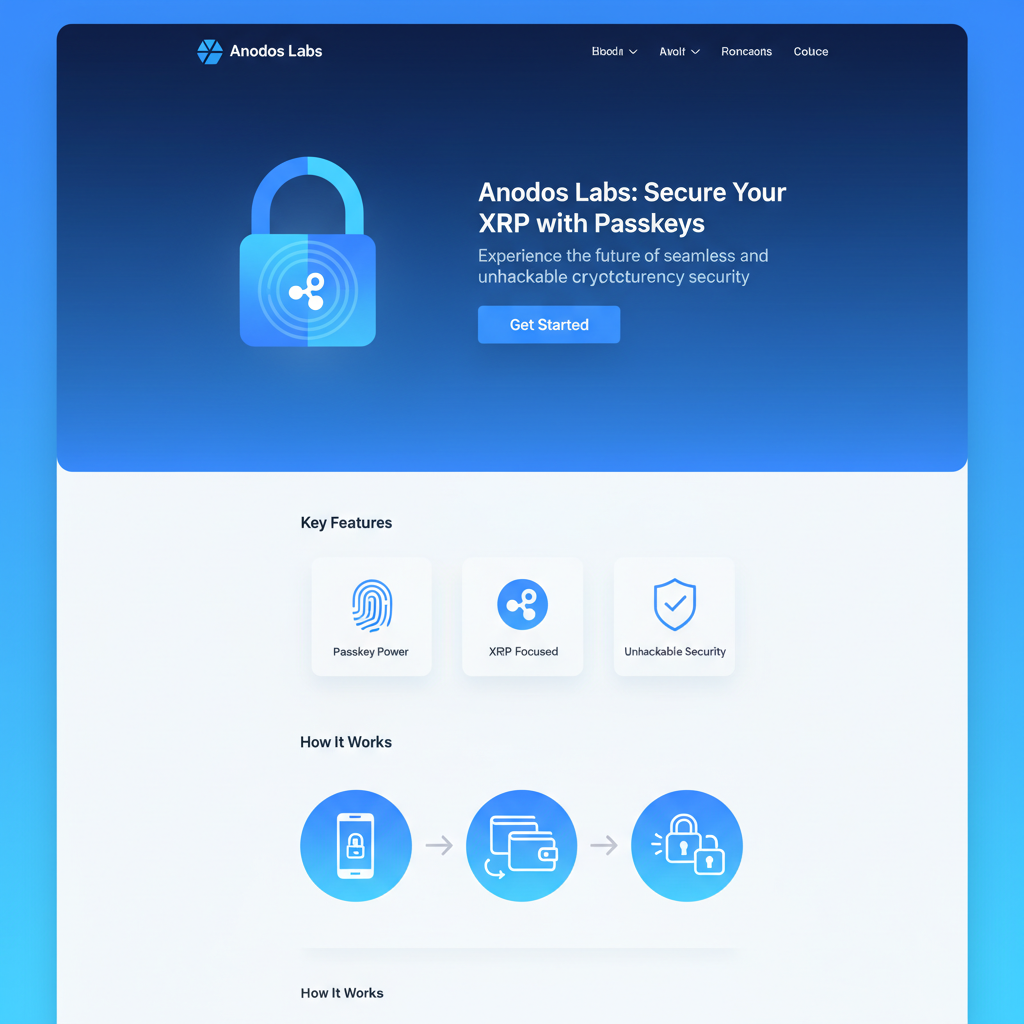
XRP Ledger, known for its rapid settlements and low fees, has long demanded robust wallet solutions. Traditional options like Xaman or Ledger hardware demand meticulous seed management, but passkey innovations change that calculus. Anodos Labs recently unveiled the first passkey-secured wallet for XRPL, allowing self-custodial accounts via biometrics in seconds. Web3Auth complements this with a 30-second setup, integrating social logins and passkeys for seamless onboarding. These tools position WebAuthn XRP wallets as frontrunners in user-centric security.
Decoding Passkeys and WebAuthn on XRPL
Passkeys, rooted in WebAuthn standards, generate unique cryptographic keys tied to your device, eliminating shared secrets. On the XRP Ledger, this translates to accounts activated without reserves tied to fragile seeds. Imagine authenticating transactions with a fingerprint or face scan, resistant to server breaches or phishing lures. Unlike Stellar’s Soroban smart contracts explored in niche videos, XRPL’s native hooks enable deterministic wallet deployment. Ledger’s Security Key app already supports WebAuthn for 2FA, paving the way for full passkeys XRPL WebAuth integration.
From a conservative standpoint, this evolution prioritizes capital protection. Seed phrases, stored on paper or apps, invite human error; passkeys decentralize risk to hardware enclaves. XRPL’s 10 XRP reserve for activation remains, but funding simplifies via Squid bridges or exchanges, as noted in recent guides. Self-custody fans rejoice: no more Reddit hunts for Ledger-compatible web wallets.

Key Advantages of Seedless XRP Ledger Wallets
Opting for a seedless XRP Ledger wallet fortifies your position in decentralized finance. Security tops the list: WebAuthn thwarts man-in-the-middle attacks, a Ledger staple now extending to crypto storage. Convenience follows; Web3Auth’s plug-and-play rivals MetaMask’s ease without Ethereum gas woes. Recovery mechanisms, often Achilles’ heels, improve via multi-device sync, though purists stick to single-signer models.
Consider XRPL specifics: destination tags prevent misrouted funds, trust lines enable tokenized assets. Passkey wallets handle these natively, per 2026 wallet rankings. At $1.40, XRP’s stability underscores the need for such tools; a 24-hour range of $1.39 to $1.45 signals consolidation, rewarding disciplined holders. Hardware like Ledger Nano S pairs well, bridging legacy XRP to modern auth.
Critically, these wallets democratize access. Developers embed WebAuthn primitives, fostering dApps with passwordless flows. Everyday users bypass 12-word rituals, activating via card buys or wallet transfers. Xaman’s control meets passkey innovation, curbing centralized custody risks.
XRP Price Prediction 2027-2032
Forecasts driven by XRPL passkey wallet adoption, seedless WebAuthn setups, and enhanced secure crypto storage
| Year | Minimum Price ($) | Average Price ($) | Maximum Price ($) | YoY Growth % (Avg) |
|---|---|---|---|---|
| 2027 | $1.20 | $2.50 | $4.00 | +79% |
| 2028 | $2.00 | $4.00 | $6.50 | +60% |
| 2029 | $3.00 | $6.50 | $10.00 | +63% |
| 2030 | $4.50 | $9.00 | $14.00 | +38% |
| 2031 | $6.50 | $12.00 | $18.00 | +33% |
| 2032 | $9.00 | $16.00 | $22.00 | +33% |
Price Prediction Summary
XRP prices are projected to grow significantly from 2027-2032, fueled by passkey-secured wallets like Anodos and Web3Auth integrations on XRPL, simplifying onboarding and boosting adoption. Average prices could rise from $2.50 to $16.00, with min/max reflecting bearish consolidation and bullish adoption surges amid market cycles.
Key Factors Affecting XRP Price
- XRPL passkey wallet advancements (e.g., Anodos Wallet, Web3Auth 30-second setup)
- Seedless WebAuthn for improved security and user experience
- Rising XRPL transaction volume and self-custody adoption
- Potential regulatory clarity for Ripple/XRP
- Crypto market cycles and halving-driven bull runs
- Macroeconomic factors and competition from other L1 blockchains
- Ledger and hardware wallet integrations enhancing trust
Disclaimer: Cryptocurrency price predictions are speculative and based on current market analysis.
Actual prices may vary significantly due to market volatility, regulatory changes, and other factors.
Always do your own research before making investment decisions.
Navigating Setup for WebAuthn XRP Wallets
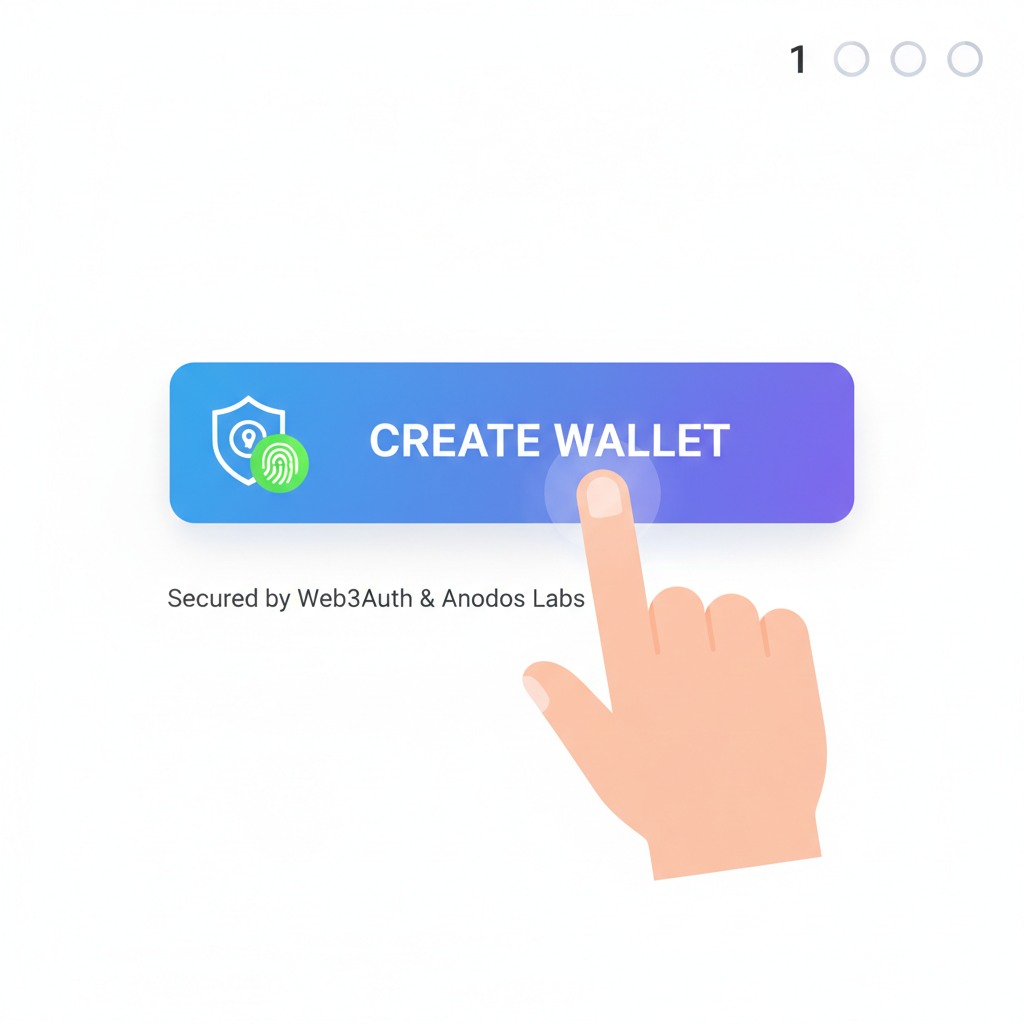
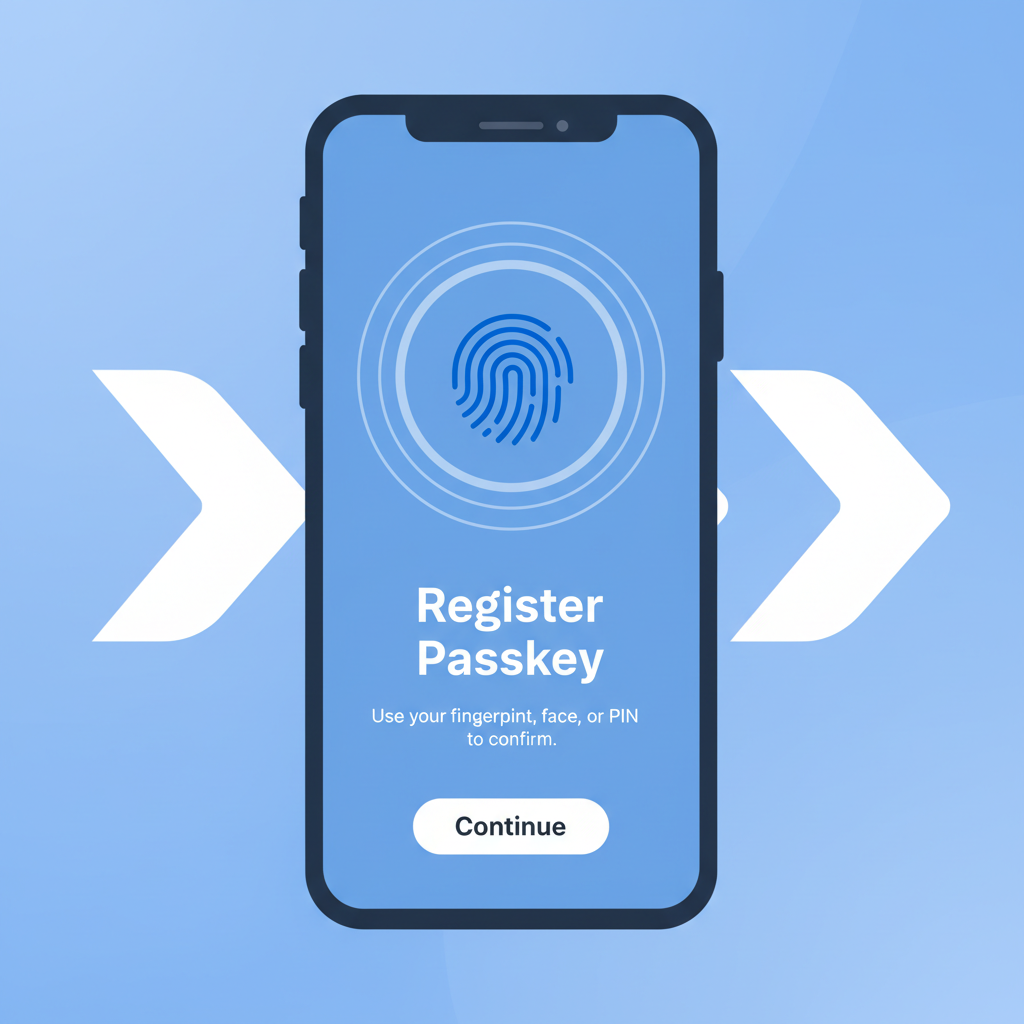
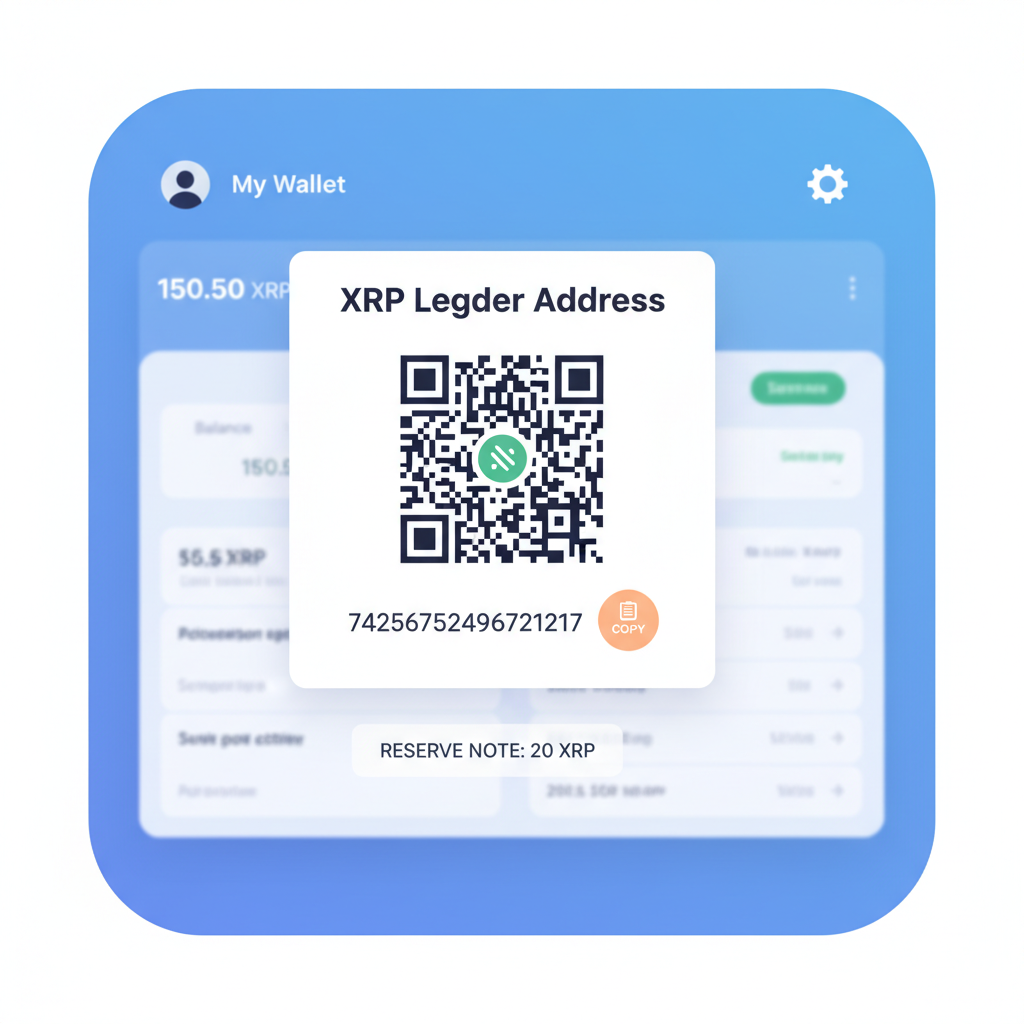
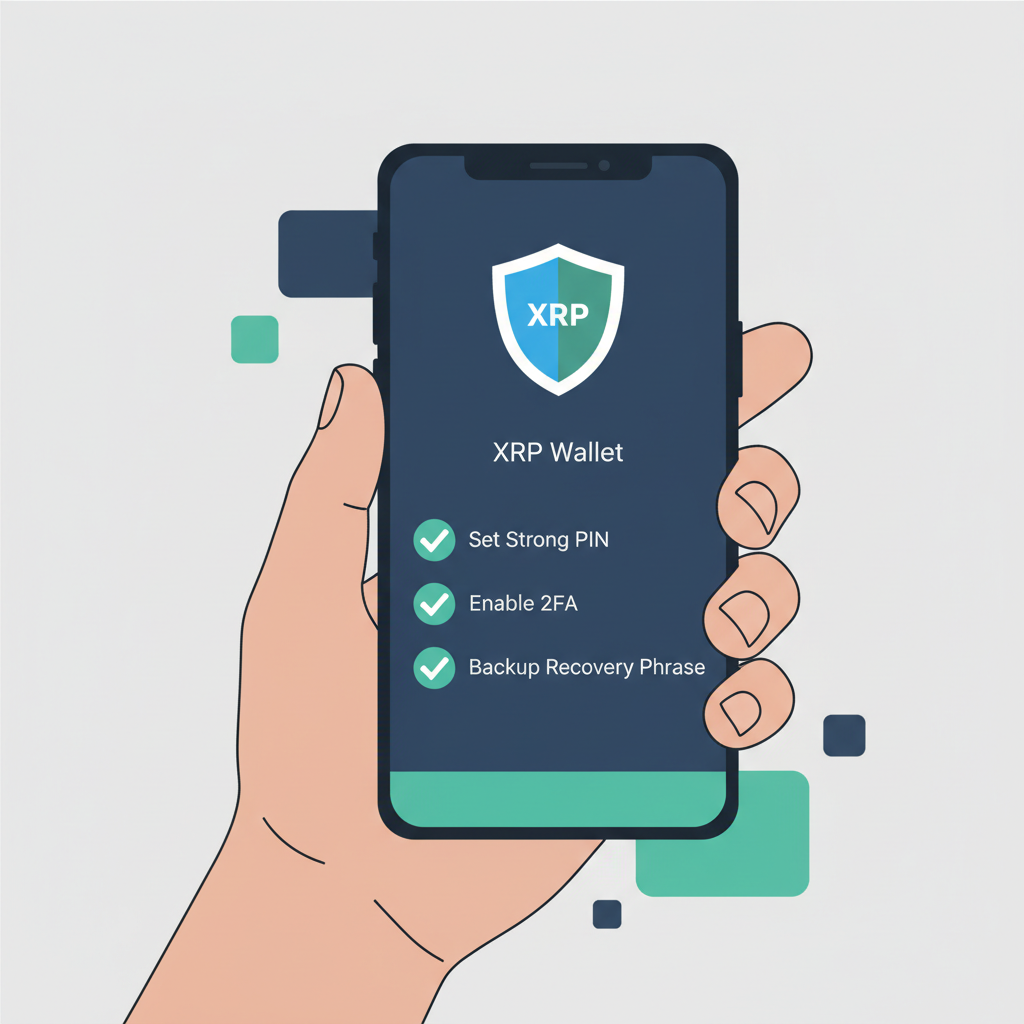
Embarking on WebAuth wallet XRP setup demands precision. Start with Anodos or Web3Auth interfaces, where browser prompts initiate key generation. Connect Ledger for hybrid security, ensuring firmware updates. Fund via exchanges, confirming 10 XRP reserve plus buffer for offers. Biometric enrollment binds keys; subsequent logins verify via platform challenges.
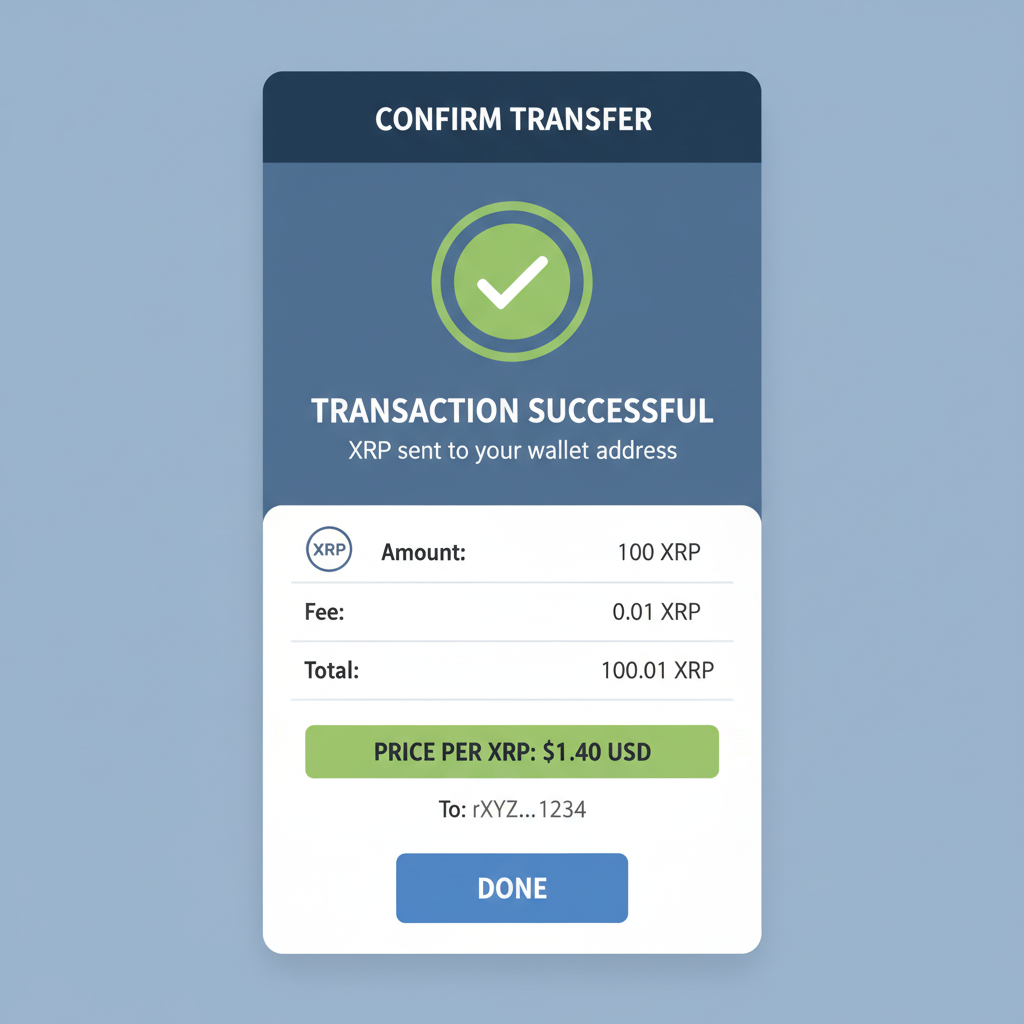
Monitor challenges for authenticity; reject suspicious ones. Test small transfers first, verifying destination tags to avoid XRPL’s infamous misdirects. This methodical rollout minimizes exposure in a market where XRP holds steady at $1.40, down just -0.0345% over 24 hours with a tight range from $1.39 to $1.45.
Secure Seedless XRP Passkey Wallet Setup Guide
Real-World Integration and Ledger Synergy
Pairing passkey wallets with Ledger hardware elevates security without sacrificing usability. The Ledger Security Key app, already WebAuthn-enabled, connects seamlessly to XRPL dApps, much like Reddit users seek for legacy Nano S holdings. Xaman, the gold standard for self-custody, hints at future passkey support, blending non-custodial control with biometric ease. Developers draw from Stellar’s Soroban experiments, adapting Soroban-like contracts for XRPL hooks to deploy smart wallets deterministically.
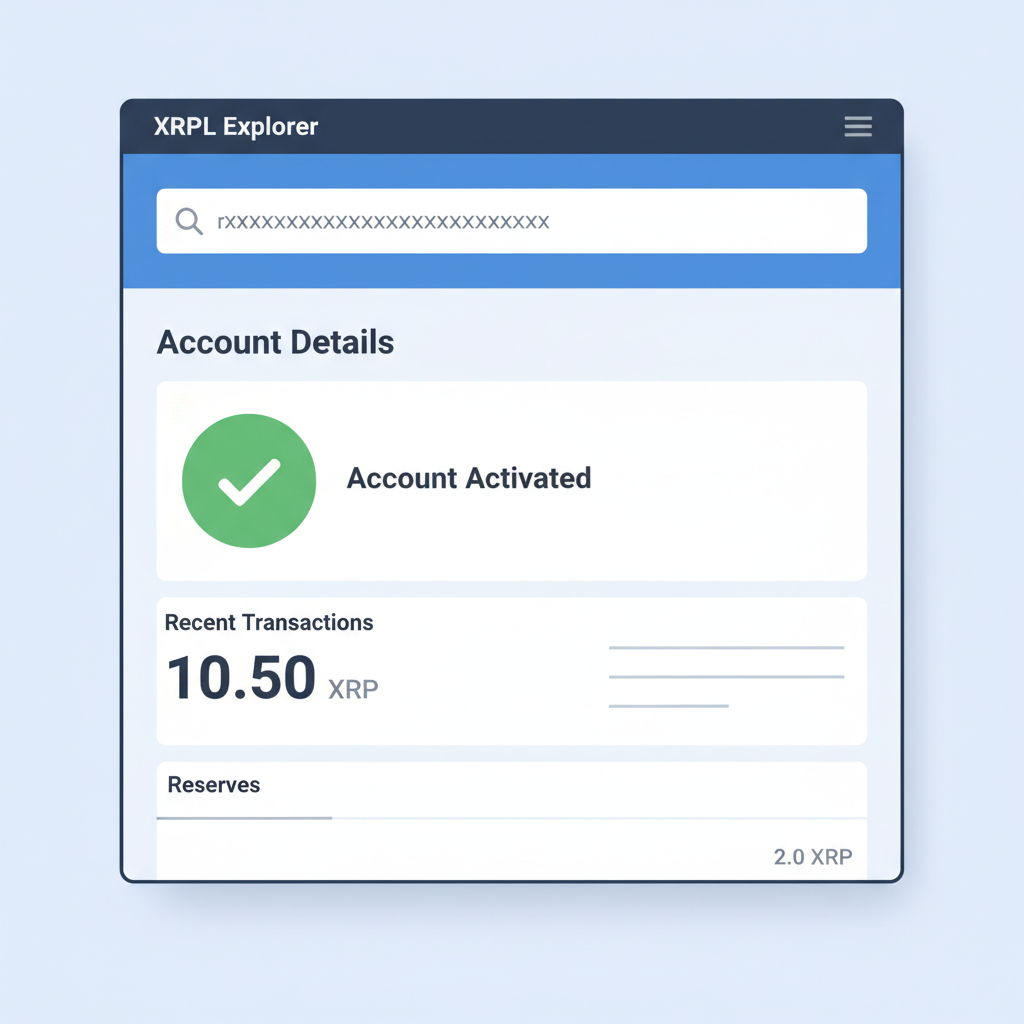
In practice, funding mirrors 2025 guides: buy XRP via cards on Squid Router, bridge assets, or transfer from exchanges. Activation confirms with explorer checks, reserves locked at 10 XRP. At current levels around $1.40, this reserve feels nominal, securing positions amid consolidation. Web3Auth’s 30-second ritual rivals traditional setups, onboarding users via familiar biometrics or social proofs, minus seed vulnerabilities.
Comparison: Traditional Seed-Based Wallets vs. WebAuthn Passkey Smart Wallets on XRPL
| Feature | Traditional Seed-Based Wallets | WebAuthn Passkey Smart Wallets | Key Insights (Bachini et al.) |
|---|---|---|---|
| Setup Time | 12-24 word seed phrase entry; requires funding (10 XRP reserve) | 30-second biometric setup (Web3Auth, Anodos Labs) | Seedless onboarding simplifies XRPL activation 🚀 |
| Security | Vulnerable to phishing, seed loss/theft | Phishing-resistant WebAuthn; device-bound biometrics (Ledger Security Key) | Passkeys > seeds for crypto storage 🔒 |
| Usability | Complex backup; manual recovery | Seamless Web2-like login (social/biometrics) | UX revolution for XRPL users 😊 |
| Recovery | Seed phrase restores anywhere | Multi-device sync; no single seed failure point | Reduces user error in self-custody |
| Hardware Integration | Ledger Nano S/X via seed | Ledger app + WebAuthn support | Bridges hardware to passkeys (Xaman-like control) |
| Smart Contract Adaptability | Limited to standard XRPL accounts | Soroban-style contracts for smart wallets | Bachini: Adaptable to XRPL for advanced features ⚡ |
From my vantage as a veteran analyst, this fusion tempers crypto’s wild swings. Discipline shines: passkeys enforce hardware-bound keys, curbing impulse trades during dips like today’s fractional slide. XRPL’s speed-5-second settlements-pairs perfectly, enabling instant DeFi plays on tokenized assets via trust lines, all under biometric guard.
Overcoming Challenges and Recovery Realities
No solution lacks friction. Multi-device sync demands careful key management; lose all enrolled devices, and recovery hinges on backup strategies like encrypted exports or social recovery modules in Web3Auth. Purists favor single-device isolation, echoing Ledger’s fortress mentality. Phishing remains a specter, but WebAuthn’s origin binding neutralizes it better than 2FA alone.
Compared to Ethereum’s account abstraction, XRPL passkeys feel native, unburdened by gas auctions. 2026 rankings spotlight these as top picks, outpacing mnemonic-heavy rivals. XRP’s price stability at $1.40 rewards early adopters, as passkey proliferation could fuel institutional inflows, tightening ranges like the recent $1.39-$1.45 band.
Hardware enthusiasts integrate Ledger Nano for cold storage, signing XRPL transactions via WebAuthn flows. This hybrid sidesteps web wallet pitfalls flagged on forums, ensuring offline key generation. Everyday holders activate via Squid bridges, confirming reserves without seed slips.
Why Passkey Wallets Define XRPL’s Edge
Anodos Labs sets the pace with its biometric-first wallet, slashing onboarding to seconds and inviting Web3 pioneers weary of seed rituals. As XRP navigates modest volatility-holding $1.40 post a -0.0345% dip-these tools fortify holdings against black swan events. Convenience scales: developers weave passkeys into dApps, fostering passwordless ecosystems.
Conservatively, capital preservation reigns. Seedless designs distribute risk, leveraging device TEEs over human frailty. XRPL’s ledger closes in seconds, amplifying passkey precision for high-frequency trades or NFT mints. Holders eyeing carry-like yields on tokenized pairs find solace here, unencumbered by phrase paranoia.
Discipline trumps speculation, especially as XRP consolidates. Passkey wallets crystallize this ethos, securing tomorrow’s gains today.