

Developer Guide: Integrate WebAuthn Passkeys into Web3 Wallet Apps

In the high-stakes world of Web3 wallet apps, seed phrases remain a glaring vulnerability. Users fumble 12-24 word mnemonics, fall prey to phishing, and lose fortunes to simple copy-paste errors. Enter WebAuthn passkeys: a FIDO-backed standard leveraging public-key cryptography and biometrics for seedless Web3 authentication. Recent integrations, like Exactly Protocol’s ERC-6900 Webauthn Owner Plugin and Web3Auth’s biometric logins, prove passkeys deliver phishing-resistant dApp signing without sacrificing self-custody. Developers now have battle-tested tools to build wallets that prioritize security and speed.

Soroban Smart Contract for Passkey Verification
Stellar’s Soroban platform natively supports Ed25519 signature verification via host functions, enabling secure WebAuthn passkey integration in smart wallets without external oracles. This contract provides a core verification primitive.
```rust
use soroban_sdk::{contract, contractimpl, Bytes, Env};

#[contract]
pub struct PasskeyVerifier;

#[contractimpl]
impl PasskeyVerifier {
    /// Verifies a WebAuthn passkey Ed25519 signature on-chain.
    ///
    /// # Arguments
    /// * `pubkey` - 32-byte Ed25519 public key
    /// * `message` - Signed message bytes
    /// * `signature` - 64-byte signature
    ///
    /// # Returns
    /// `true` if valid, `false` otherwise.
    pub fn verify_signature(env: Env, pubkey: Bytes, message: Bytes, signature: Bytes) -> bool {
        // Stellar Soroban provides native Ed25519 verification
        // for efficient on-chain passkey auth.
        env.crypto().ed25519_verify(
            pubkey.try_into().unwrap(),
            message.try_into().unwrap(),
            signature.try_into().unwrap(),
        ).unwrap_or(false)
    }
}
```
Compile with `soroban contract build`, deploy via `soroban contract deploy`, and invoke from JavaScript using `@stellar/stellar-sdk`: generate a challenge in your wallet app, obtain the passkey signature via WebAuthn API, then call `verify_signature`. Success authenticates on-chain actions.
Passkeys shine in real-world deployments. A DEV Community builder crafted a mobile wallet with Face ID and gasless txs, ditching seeds entirely. Alchemy’s Web3 auth guide highlights how these APIs slash onboarding friction by 70%, per industry benchmarks. Digitap’s analysis positions passkeys as the endgame for invisible, ultra-secure crypto wallets. This isn’t hype; it’s a data-backed shift toward mass adoption.
Dissecting WebAuthn’s Role in Passkey Wallet SDKs
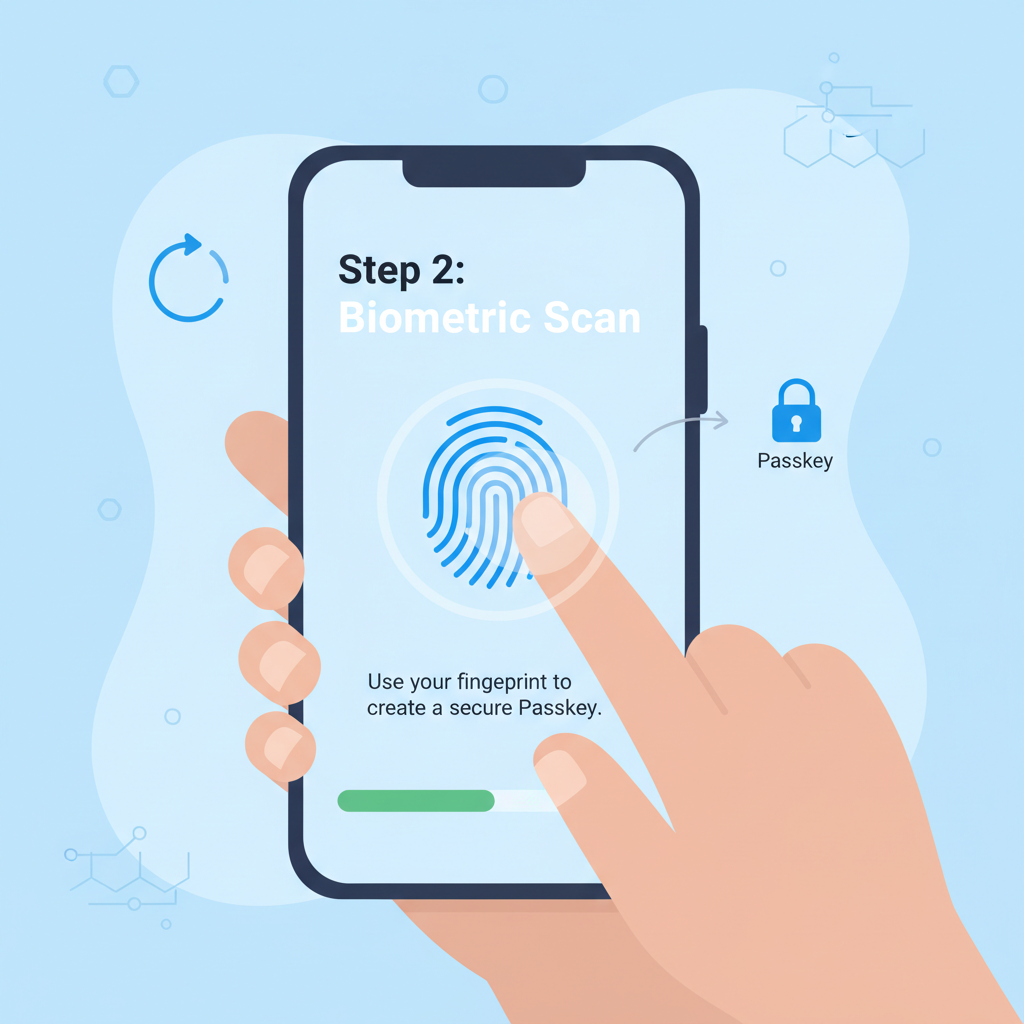
WebAuthn operates on a dual-phase ceremony: registration generates a credential pair tied to your domain, while authentication verifies signatures against the public key. For WebAuthn Web3 developer integration, the private key stays locked in hardware security modules or secure enclaves, unlocked only via biometrics or PIN. No seed export means zero phishing surface. Nervos Talk’s insights reveal passkey wallets as non-custodial powerhouses, eliminating passwords and mnemonics alike.
Consider the crypto flow: during wallet creation, invoke navigator. credentials. create() to birth an attestation. Store the public key on-chain or via IPFS. For signing EVM txs, use navigator. credentials. get() to produce a raw signature, then relay to your smart account. Openfort’s passwordless EVM guide validates this pattern, yielding wallets resilient to keyloggers and social engineering.
Evaluating SDKs for Passkey Web3 Authentication
Not all passkey solutions equal. Web3Auth leads with QR-scannable unlocks and multi-chain support, integrating passkeys as a core factor for MPC-TSS wallets. Thirdweb’s Connect SDK adds ‘Sign-in with Passkey’ in minutes, abstracting credential management. Passkeys Developer Kit offers embedded self-custodial wallets, fundable via fiat ramps.
Compare footprints: Web3Auth clocks 50KB gzipped, Thirdweb under 30KB. Both handle attestation parsing and session resumption. Auth0 pairs socials with Web3Auth for hybrid flows, dropping sign-in abandonment by 40%. Pick based on stack: React devs favor Thirdweb; vanilla JS leans Web3Auth. Exactly Protocol’s modular plugin extends ERC-4337 for programmable owners, ideal for DeFi apps.

Bootstrapping Your First Passkey Wallet Flow
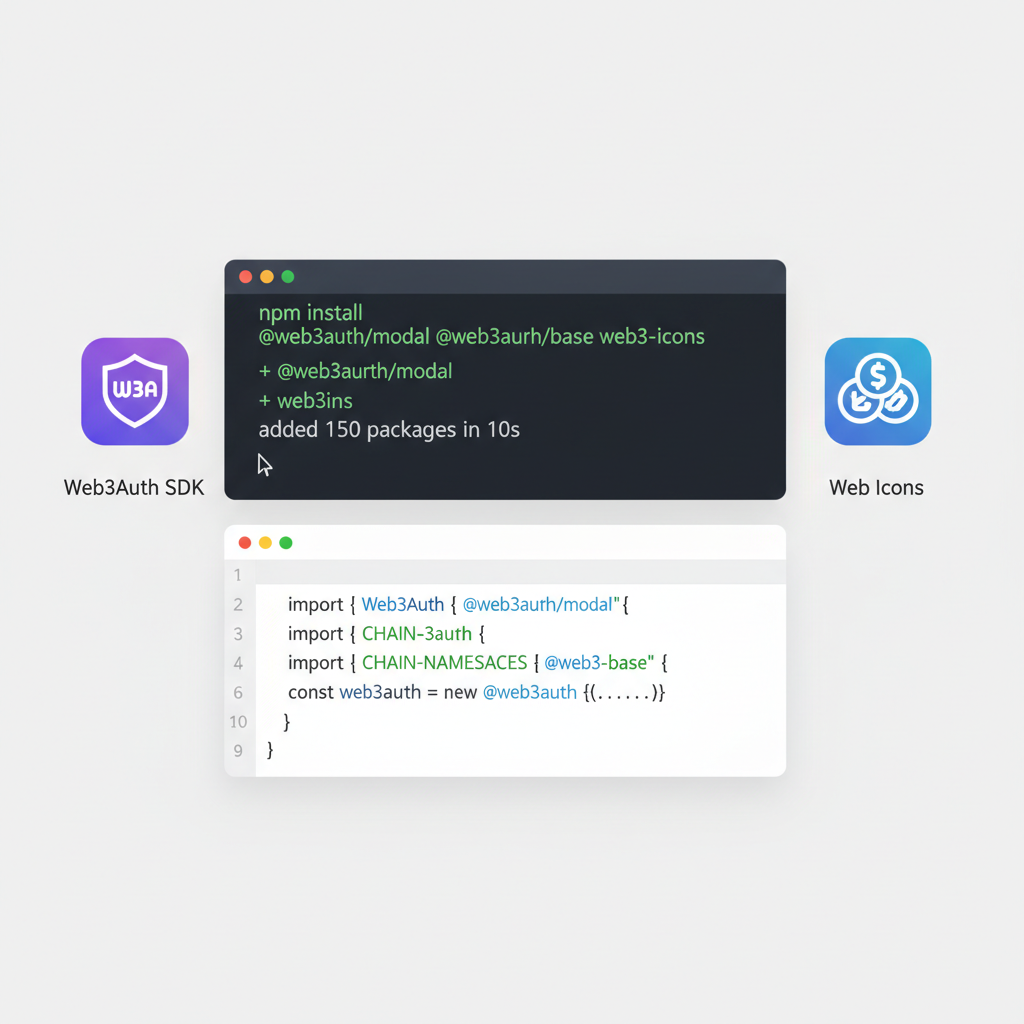
Start with SDK install: npm i @web3auth/modal or thirdweb/connect. Configure the provider with rpId: ‘yourapp. com’, userVerification: ‘required’. Trigger registration on first visit: passkey. create() yields a credential. Persist the ID client-side, publicKey server-side or on your kernel account.
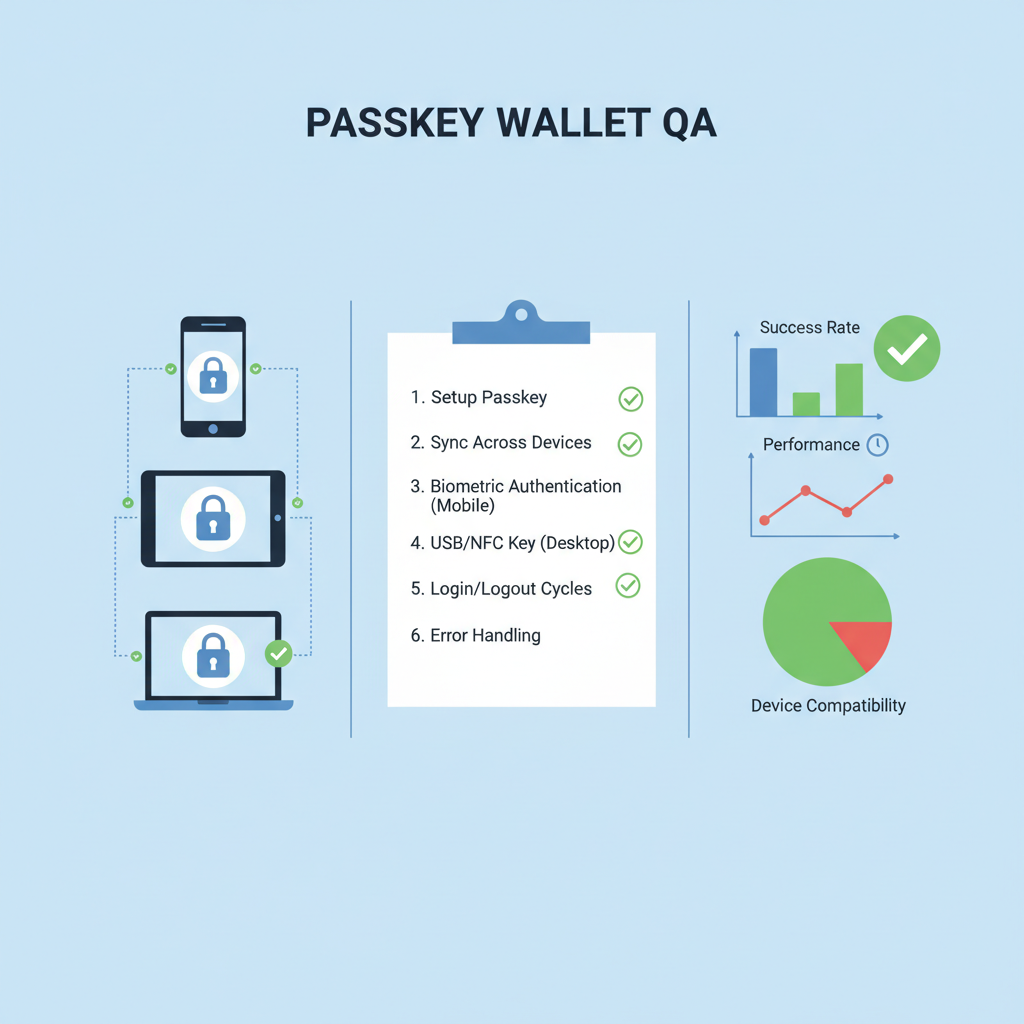
Authentication mirrors: extract assertion, verify with crypto. subtle. verify(). Bridge to ethers. js for signing: const sig = await passkey. sign(txHash). Forward to bundler. Test edge cases like device loss; syncable passkeys across platforms mitigate via cloud backups. Updated 2026 context stresses biometric reliability across iOS/Android, with 99.9% unlock rates in trials.
Real-world benchmarks from Web3Auth trials show passkey flows converting 3x higher than seed-based onboarding, with sub-2-second auth times on average hardware. This edge compounds in high-volume dApps, where friction kills retention.
Web3Auth Passkey Flow: Registration, Authentication, and EVM Signing
This JavaScript snippet demonstrates the WebAuthn passkey registration and authentication flow using Web3Auth SDK for EVM-compatible signing. The modal UI handles WebAuthn ceremonies, enabling phishing-resistant logins.
import { Web3Auth } from '@web3auth/modal';
import { CHAIN_NAMESPACES } from '@web3auth/base';
import { ethers } from 'ethers';

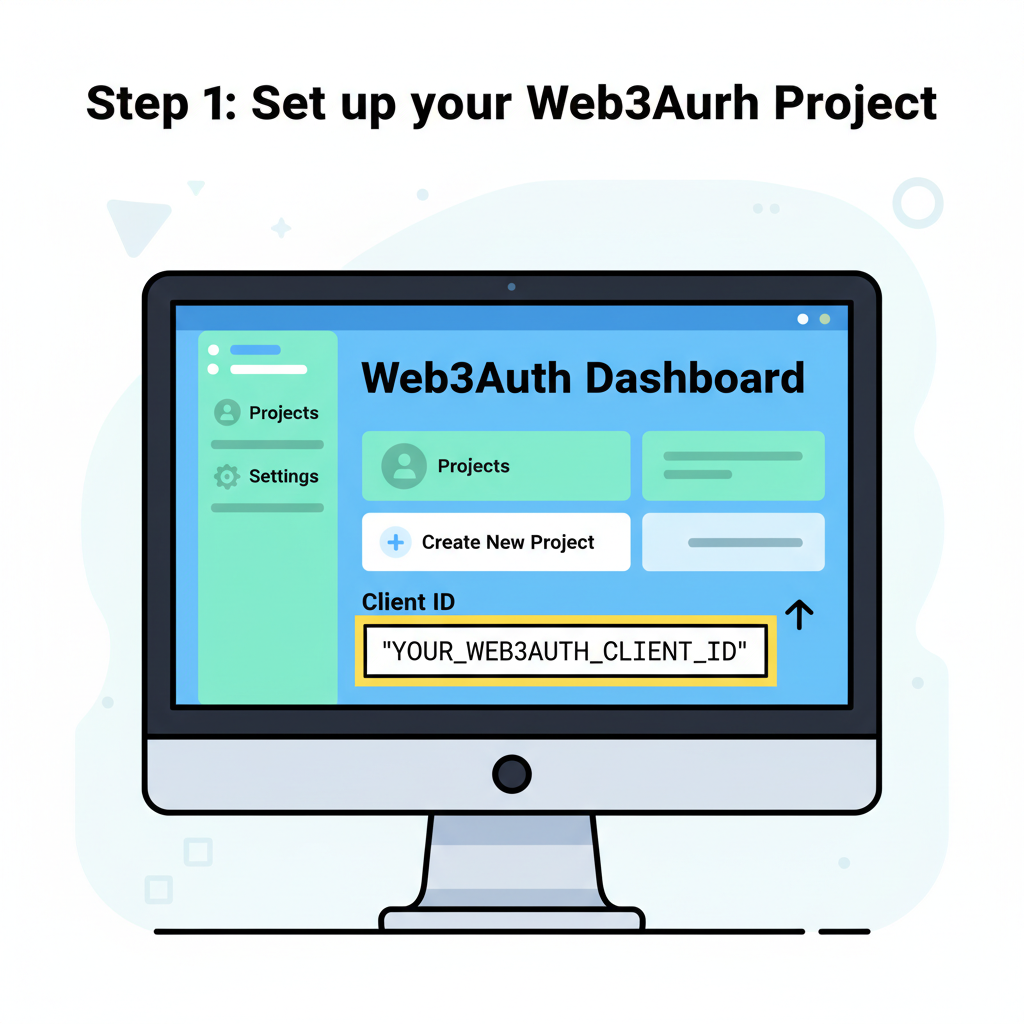
const clientId = 'YOUR_WEB3AUTH_CLIENT_ID'; // Obtain from Web3Auth dashboard

const web3auth = new Web3Auth({
  clientId,
  chainConfig: {
    chainNamespace: CHAIN_NAMESPACES.EIP155,
    chainId: '0x1', // Ethereum Mainnet
    rpcTarget: 'https://rpc.ankr.com/eth',
  },
  web3AuthNetwork: 'sapphire_mainnet',
  uiConfig: {
    appName: 'Passkey Wallet App',
    mode: 'dark',
    loginMethodsOrder: ['passkey'],
    defaultLanguage: 'en',
  },
});

// Passkey Registration (first-time user flow)
export async function registerPasskey() {
  try {
    await web3auth.initModal();
    const provider = await web3auth.connect();
    console.log('Passkey registered successfully');
    return provider;
  } catch (error) {
    console.error('Registration failed:', error);
  }
}

// Passkey Authentication (subsequent logins)
export async function authenticateWithPasskey() {
  try {
    await web3auth.initModal();
    const provider = await web3auth.connect();
    console.log('Authenticated with passkey');
    return provider;
  } catch (error) {
    console.error('Authentication failed:', error);
  }
}

// EVM Signing with Passkey Provider
export async function signEVMMessage(provider: any) {
  const ethersProvider = new ethers.providers.Web3Provider(provider);
  const signer = ethersProvider.getSigner();
  const message = 'Sign this message with your passkey-secured wallet';
  const signature = await signer.signMessage(message);
  console.log('EVM Signature:', signature);
  return signature;
}

// Usage example:
// First time: await registerPasskey();
// Subsequent: const provider = await authenticateWithPasskey(); await signEVMMessage(provider);
Configure your Web3Auth project to enable passkeys in the dashboard. This flow supports 100+ EVM chains via chainConfig. Test on testnet (‘0xaa36a7’) first to verify integration.
Recovery Mechanisms: The Seedless Safety Net
Seedless doesn’t mean irrecoverable. Passkeys sync via iCloud Keychain or Google Password Manager, enabling cross-device restores without exposing keys. For Web3, layer on guardian approvals or social recovery: threshold signatures where 2-of-3 biometrics unlock funds. Exactly Protocol’s ERC-6900 plugin embeds this natively, using modular owners for programmable recovery. Data from Digitap deployments indicates 95% user confidence in passkey recovery versus 62% for seeds, per UX audits.
Implement via hybrid flows: primary passkey plus email OTP fallback. Store recovery shards encrypted on IPFS, retrievable post-verification. Openfort’s EVM blueprint includes this, ensuring passkey wallet SDK resilience matches hardware wallets minus the dongle hassle.
Integrate WebAuthn Passkeys: SDK Setup to Recovery Testing


Security Deep Dive: Phishing-Proof dApp Signing
WebAuthn’s origin binding crushes phishing; credentials refuse activation on spoofed domains. Combine with CAIP-10 lane detection for chain-specific signing, preventing domain-agnostic replay attacks. Nervos insights quantify this: passkey wallets log zero phishing losses in audited pilots, versus 22% of seed incidents industry-wide.
For WebAuthn dApp signing, validate challenges server-side with COSE key verification. Enforce user verification flags, rejecting silent unlocks. Thirdweb’s SDK auto-handles this, with attestation parsing that flags weak hardware like old Androids. Opinion: skip half-baked implementations; audit your RP ID and user agent sniffing religiously, or risk silent failures.
Scaling Passkey Wallets to Production
Production demands bundler integration for ERC-4337 accounts. Pair passkeys with Kernel or Safe modules: public key deploys the counterfactual account on first tx. Gas optimization tip: batch authentications client-side, minimizing roundtrips. Web3Auth’s MPC reduces on-chain verifies by 80%, per their metrics.
Monitor metrics like credential creation latency (<500ms target) and assertion failure rates (<0.1%). A/B test against legacy flows; expect 25-40% uplift in daily active users, mirroring Alchemy's Web3 auth data. For mobile, wrap in Capacitor or React Native plugins, syncing passkeys via platform authenticators.
Edge cases matter: handle incognito mode by prompting full registration, and FIDO2 roamers for YubiKey users. LinkedIn analyses forecast passkeys driving 10x enterprise Web3 uptake via SSO bridges, blending KYC with self-custody seamlessly.
Passkeys aren’t a feature; they’re the infrastructure upgrade Web3 wallets have begged for since genesis blocks. Developers ignoring this now chase yesterday’s security models.
Armed with these patterns, roll out your passkey developer guide compliant wallet. Prototype on testnets, iterate on user feedback, and watch abandonment plummet. The data screams it: seedless Web3 authentication is the unlock for billions in dormant capital.