

In the volatile world of cryptocurrency, where fortunes can evaporate in an instant due to a misplaced seed phrase, a quiet revolution is underway. WebAuthn passkey wallets promise seedless crypto wallet security that sidesteps the vulnerabilities inherent in traditional mnemonic phrases. These innovative solutions leverage the WebAuthn standard, baked into modern browsers and devices, to create phishing-resistant authentication tied directly to your hardware. No more scribbling 12- or 24-word sequences on scraps of paper, only to lose them or fall prey to phishing scams. Instead, biometrics like Face ID or Touch ID unlock your assets seamlessly, reducing human error while preserving self-custody.
As a CFA charterholder with over 15 years managing assets through market cycles, I've long advocated for capital preservation above all. Crypto's seed phrase model feels like handing investors a loaded gun; one slip, and it's game over. Passkey smart wallets address this head-on, offering hardware-backed crypto wallet protection that aligns with conservative principles. Yet caution remains essential: these tools are nascent, and recovery mechanisms must be scrutinized rigorously.
Understanding WebAuthn: The Foundation of Passkey Security
WebAuthn, a core component of the FIDO2 protocol, generates cryptographic key pairs stored securely within your device's Trusted Platform Module (TPM) or Secure Enclave. Public keys register with services, while private keys never leave the hardware. This setup renders them impervious to phishing, as credentials can't be remotely exfiltrated. In crypto contexts, this translates to signing transactions without exposing private keys, a far cry from seed phrases that users must manually guard.
Consider the pitfalls of legacy wallets: over 20% of Bitcoin has been lost forever due to forgotten seeds, per Chainalysis estimates. Passkeys eliminate this single point of failure. Devices like iPhones and Androids now support cross-platform syncing via iCloud Keychain or Google Password Manager, ensuring accessibility without compromising security. But here's where caution kicks in: reliance on cloud sync introduces potential centralization risks, though end-to-end encryption mitigates much of that.
Key Advantages of WebAuthn Passkey Wallets
- Phishing Resistance: WebAuthn passkeys use domain-bound public-key cryptography, significantly reducing risks from phishing sites, as seen in implementations like Web3Auth and Sui.
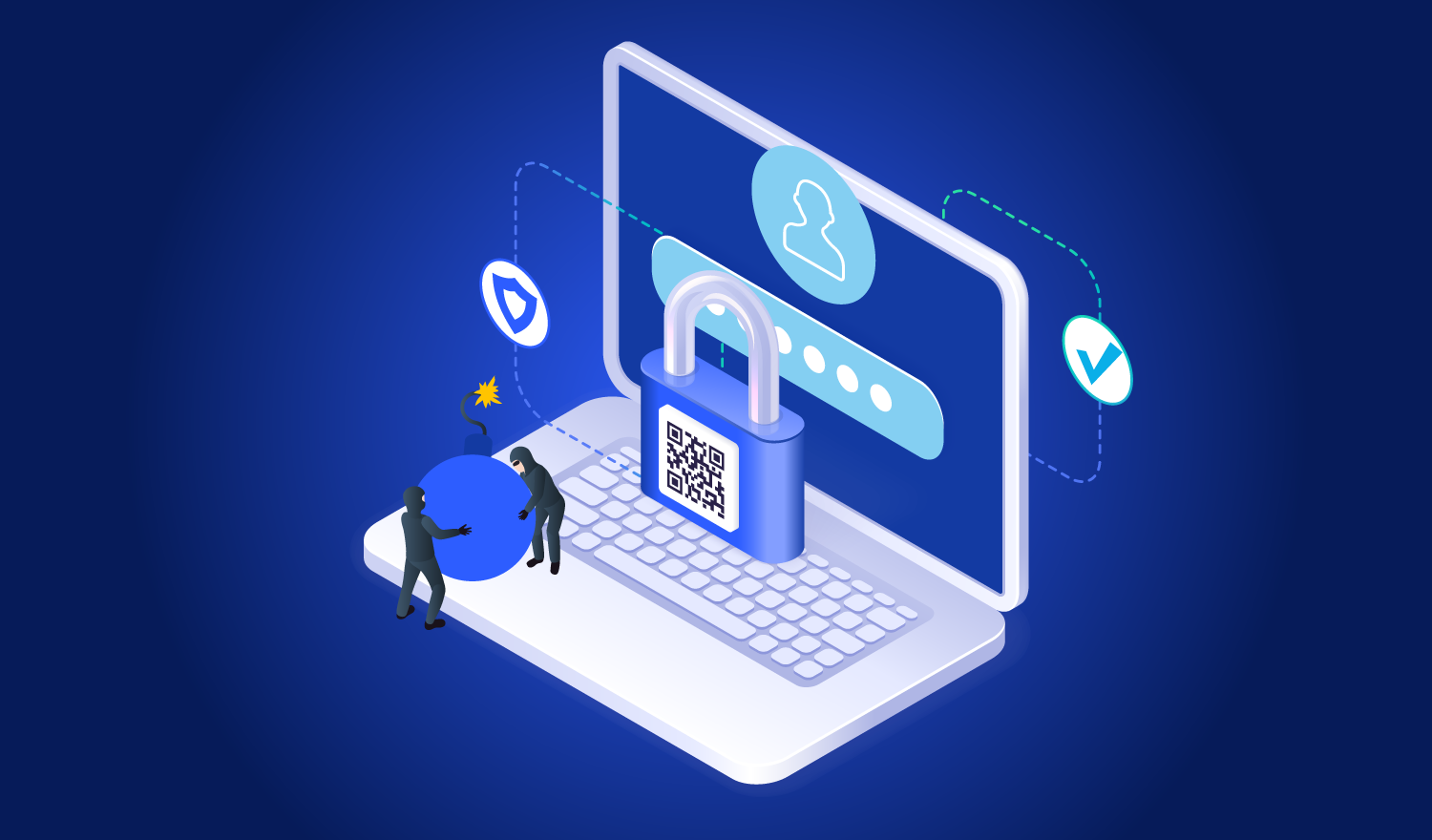
- Biometric Ease: Users authenticate via device biometrics like Face ID or Touch ID, offering convenient access without passwords or seed phrases, per standards from Apple and Google.

- No Manual Backups: Eliminates seed phrase management, minimizing loss risks; recovery relies on device credential persistence, as in Para's Solana SDK.

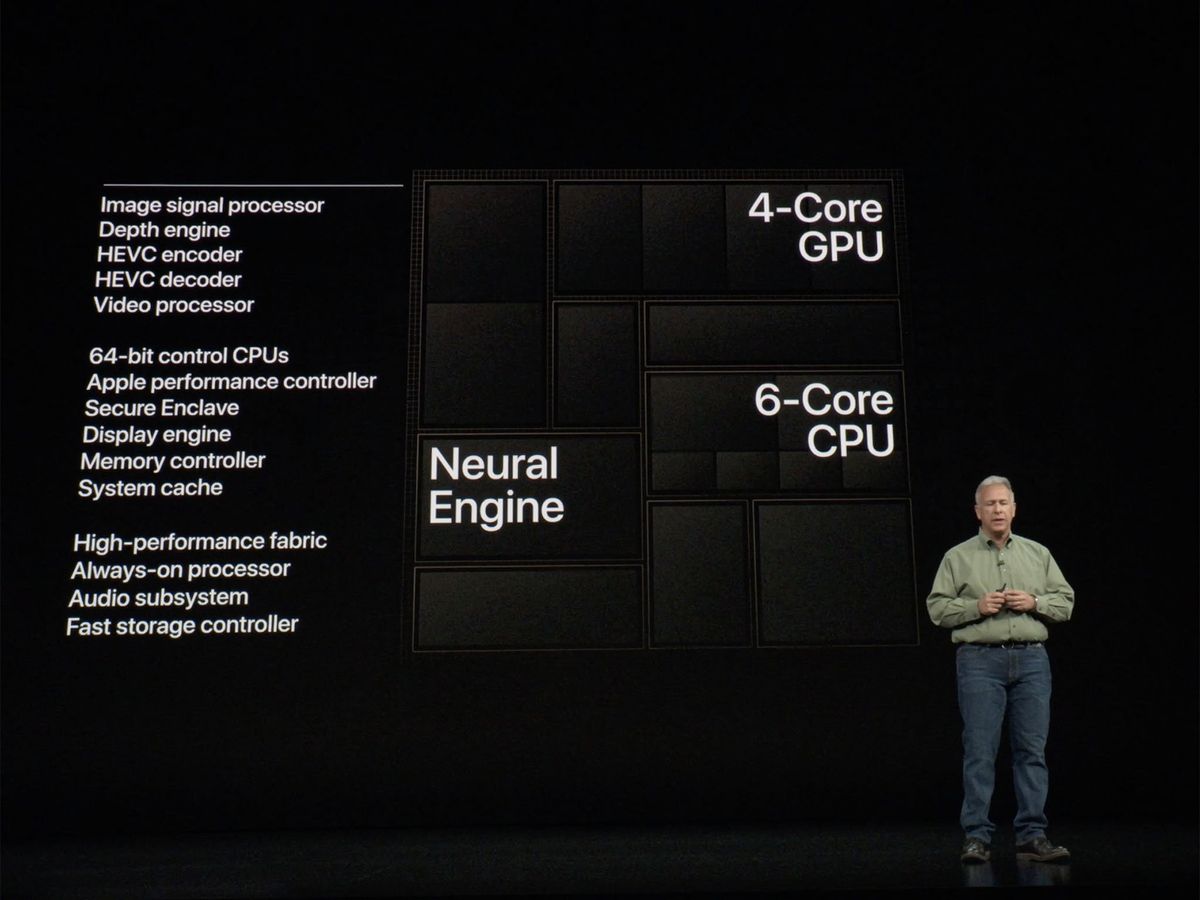
- Hardware Isolation: Keys stored in secure hardware enclaves (e.g., Secure Enclave), isolating them from software attacks, supported by Rhinestone's validator.
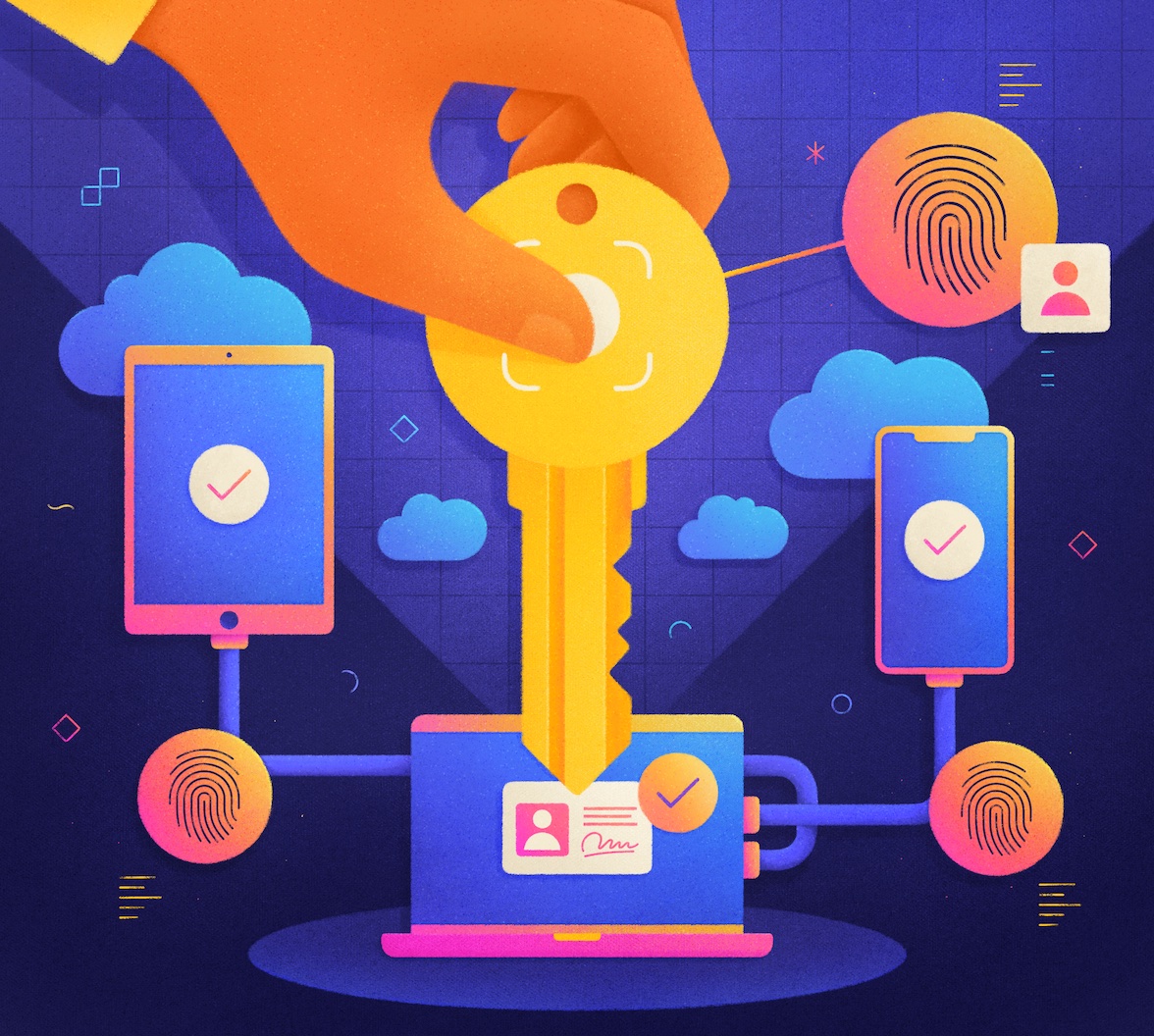
- Seamless Multi-Device Sync: Passkeys sync via platform services like iCloud Keychain, enabling cross-device use without manual intervention, as in Flow's guidelines.
Eliminating Seed Phrases: Recovery Without the Nightmare
Seedless doesn't mean reckless. Modern no seed phrase wallet designs incorporate robust recovery models. Web3Auth, for instance, enables biometric access to wallets without passwords or mnemonics, using passkeys for recovery. On Solana, Para's embedded wallet SDK employs passkeys for session keys that unlock MPC-managed signers, providing persistent sessions sans extensions. Stellar's Meridian Pay ditches seeds and fees entirely, relying on passkey auth for scalable smart accounts.
This shift mirrors broader Web3 trends. Sui blockchain's native passkey integration lets users auth transactions directly, while Rhinestone's WebAuthn Validator supports multisig setups for added layers. Flow emphasizes credential persistence for rotation and recovery, underscoring that providers must handle metadata meticulously. From a risk management perspective, these approaches diversify away from mnemonic fragility, much like portfolio diversification shields against equity drawdowns.
Passkeys signal a paradigm shift from seed-phrase vulnerabilities to device-bound security, easing onboarding without sacrificing control.
Reddit discussions in r/solana highlight user skepticism toward smart wallets lacking private keys, yet relayer networks handle bundling responsibly. Openfort's embedded wallets further simplify by integrating passkeys with app-native auth, no browser plugins required. TeleSwap and Paragraph underscore passkeys replacing seeds across ecosystems, supported universally by Apple, Google, and browsers.

Phishing Resistance and User Experience Gains
The phishing resistance of phishing resistant crypto wallet designs cannot be overstated. Traditional seeds succumb to social engineering; passkeys demand physical device presence. Digitap's take on Web3Auth illustrates effortless recovery, while Medium's Bhagya Rana outlines five seedless models avoiding support nightmares. Passkeys Wallet enables direct on-site creation and funding, self-custodial from the start.
Getpara's Solana UX with SIMD-0075 delivers frictionless access, cryptographic proofs from user devices. DEV Community praises non-custodial passkey or MPC combos for true key control. As an investor prioritizing sustainability, I view these as maturing crypto infrastructure, akin to fixed-income ladders for steady yields. Still, adoption hinges on standardization; fragmented implementations could invite exploits.
Users report smoother onboarding, with wallets like Passkeys Wallet allowing instant creation and funding on websites, bypassing extensions and verifications. This WebAuthn native wallet approach feels intuitive, much like tapping Apple Pay at a terminal, yet it secures blockchain assets.
Real-World Deployments: From Solana to Stellar and Beyond
Sui's passkey integration stands out for direct transaction authentication, keeping private keys off-user devices entirely. Rhinestone's module extends this to smart accounts, validating WebAuthn signatures in single or multisig configurations, ideal for teams managing shared funds conservatively. Web3Auth's biometric entry point recovers wallets effortlessly, a boon for those juggling multiple chains.
On Solana, Para's SDK unlocks MPC signers via passkey sessions, enabling persistent logins without phrases. This embedded model suits dApps craving speed, though relayers introduce minor trust assumptions I monitor closely, similar to counterparty risks in derivatives. Stellar's Meridian Pay scales smart wallets fee-free with passkeys, proving viability for payments. Flow's guidance on credential management stresses metadata persistence, preventing lockouts during device swaps or rotations.
Comparison of Passkey Wallet Implementations Across Blockchains
| Project | Blockchain | Core Feature | Authentication Method | Recovery Method | Key Benefits |
|---|---|---|---|---|---|
| Sui | Sui | Native Auth | WebAuthn Passkeys | Device-bound keys (biometrics/hardware) | Phishing-resistant, no private key handling, seamless tx signing |
| Para | Solana | MPC Sessions | Passkeys for session auth | MPC-managed signer, persistent sessions | Instant onboarding, no extensions/phrases, secure Ed25519 |
| Meridian | Stellar | Fee-less | Passkey authentication | Smart wallet biometrics | No seed phrases/tx fees, scalable smart accounts |
| Web3Auth | Multi-chain | Biometric Recovery | Passkeys with biometrics | Device biometrics | No passwords/seed phrases, easy recovery |
These cases illustrate passkeys maturing into production-grade tools. Openfort's guide for developers embeds passkeys alongside email or social logins, keeping crypto within apps seamlessly. Yet, as with any emerging tech, interoperability lags; cross-chain passkey support remains patchy.
Cautious Considerations: Risks in the Seedless Shift
Enthusiasm tempered by prudence defines my approach. While passkey smart wallet designs slash phishing and loss risks, new vectors emerge. Device compromise via malware could expose credentials, though hardware isolation limits damage compared to seed theft. Cloud sync for multi-device access, via iCloud or Google, relies on provider integrity; breaches there, however rare, amplify exposure.
Recovery demands scrutiny. Without seeds, schemes vary: social recovery circles, MPC shards, or credential backups. Medium's analysis of five models highlights viability, but each trades simplicity for complexity. Smart contract accounts on Solana shift burdens to relayers, potentially centralizing execution. Reddit threads question pure self-custody sans keys, a valid concern echoing my diversification mantra; no single solution fits all.
Drawbacks of Passkey Wallets
- Device Dependency: Passkeys tie authentication to specific hardware like smartphones using Face ID or fingerprint sensors, risking total access loss if the device is lost, damaged, or unavailable.
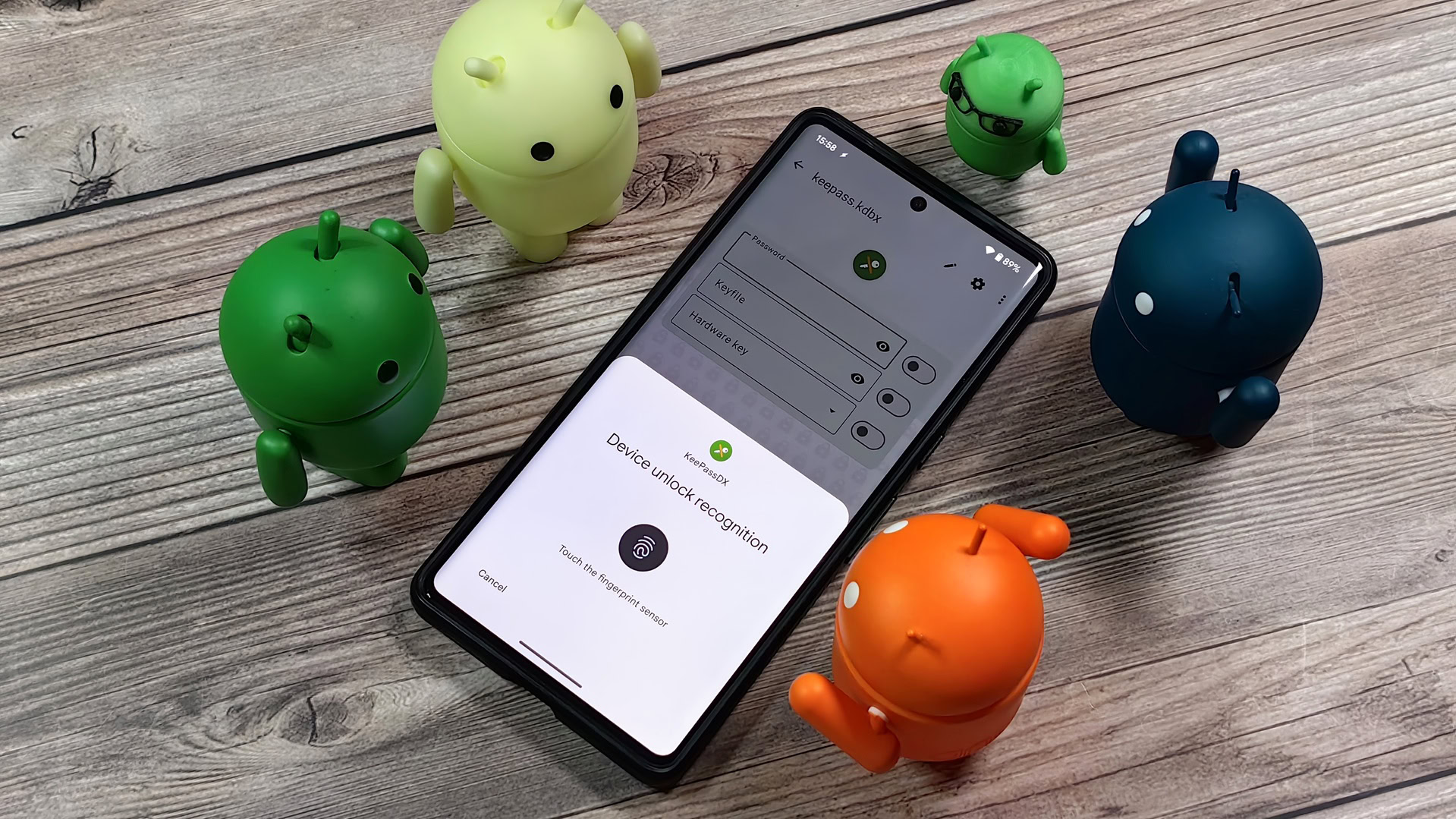
- Cloud Sync Risks: Syncing passkeys via iCloud Keychain or Google Password Manager across devices introduces vulnerabilities from potential cloud service breaches or account takeovers.

- Recovery Complexity: Lacking seed phrases, recovery depends on provider mechanisms like Web3Auth's biometric flows or Para's MPC on Solana, which can involve intricate device transfers or metadata persistence challenges.
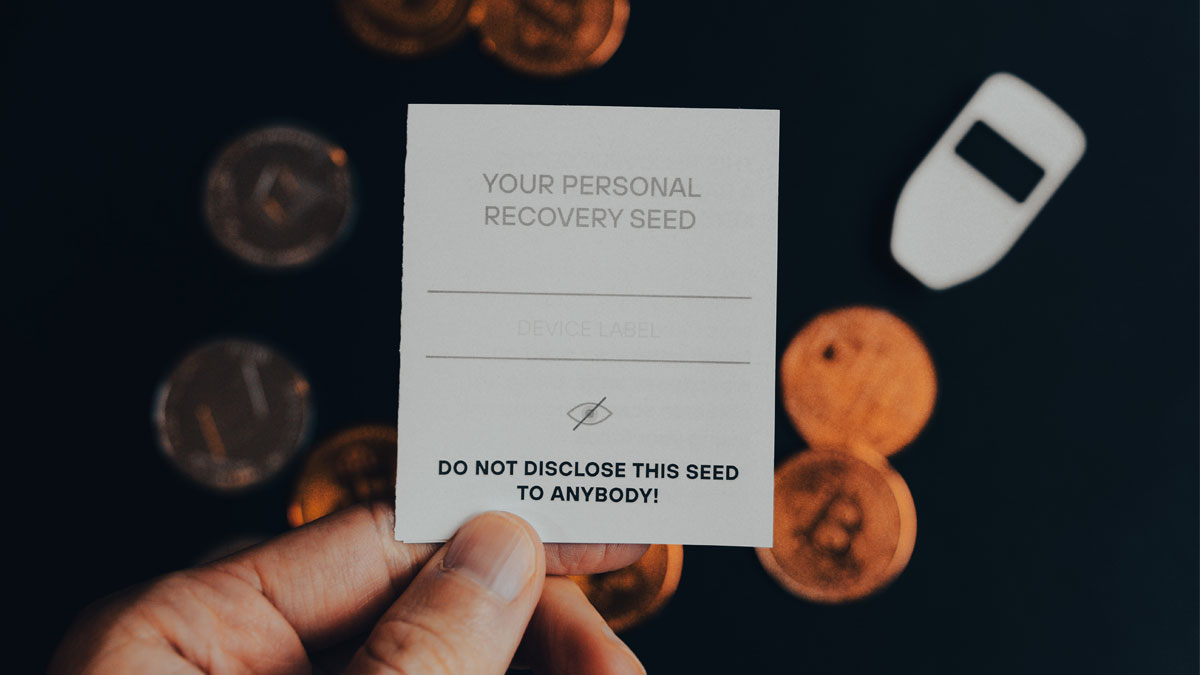
- Relayer Centralization: Smart wallet setups, such as Solana's passkey implementations, rely on relayers for transaction bundling and gas payment, creating potential censorship or failure points.
- Standardization Gaps: WebAuthn varies across ecosystems—e.g., Flow's credential management needs or Sui's integration—leading to interoperability issues and uneven blockchain support.
Regulatory shadows loom too. As passkeys normalize self-custody, authorities may probe recovery flows for money laundering vectors. Investors should assess wallet audits rigorously, favoring those with open-source validators like Rhinestone's.
Outlook for Passkey-Dominated Crypto Infrastructure
Passkeys herald sustainable Web3 access, mirroring passwordless web evolution. With Apple, Google, and browsers united behind WebAuthn, crypto lags only in adoption. Projects like Digitap, TeleSwap, and Paragraph foresee seed phrases fading, supplanted by hardware-bound proofs. For conservative portfolios, these wallets preserve capital by minimizing user-induced losses, outperforming mnemonic chaos.
Standardization via SIMD specs and FIDO alliances will accelerate uptake. Imagine DeFi platforms defaulting to passkeys, slashing support tickets 80%. As a steward of long-term wealth, I endorse piloting these in small allocations first, scaling as ecosystems harden. Patience here yields compounded security gains, much like dividend aristocrats weathering storms.
WebAuthn passkey wallets forge a bridge from crypto's wild west to institutionalized safety, demanding vigilance yet rewarding the prepared.
Explorers of seedless crypto wallet frontiers gain not just convenience, but fortified defenses in an asset class defined by asymmetry. The transition underway prioritizes resilience, aligning nascent tech with timeless principles of preservation.



No comments yet. Be the first to share your thoughts!