

Solana's Binance-Peg SOL trades at $80.55 today, down $9.19 or 10.24% in the last 24 hours, with a high of $92.95 and low of $72.43. Amid this volatility, seedless Solana wallets using WebAuthn passkeys stand out as a game-changer. Traditional seed phrases expose users to phishing, loss, and theft risks that plague crypto. Solana's SIMD-0075 upgrade changes that, integrating passkeys for biometric or hardware-based authentication without mnemonic hassles. Developers leverage SDKs like LazorKit or Para's infrastructure to deliver passwordless onboarding, slashing recovery friction while preserving Ed25519 compatibility through Multi-Party Computation (MPC).
Passkeys bind credentials to devices, resisting phishing better than passwords or seeds. On Solana, where transaction speeds hit thousands per second, this means faster, safer UX for DeFi, NFTs, and dApps. No more scribbling 12-24 words on paper; instead, Face ID or Touch ID unlocks your wallet. Yet, challenges persist: WebAuthn's P-256 curve doesn't match Solana's Ed25519 for direct signing. Solutions bridge this with session keys or MPC, authorizing Ed25519 operations securely.
Solana's SIMD-0075: Unlocking Passkey-Native Wallets
The SIMD-0075 upgrade marks Solana's pivot to WebAuthn passkeys Solana integration. Rolled out to address seed phrase vulnerabilities, it enables wallets to store private keys on-device, synced across platforms via cloud providers like iCloud or Google Password Manager. Data shows over 70% of crypto losses stem from seed mishandling; passkeys cut that risk by distributing key material and using public-key cryptography.
Solana passkeys accelerate onboarding, eliminate seed phrase loss risks, and boost wallet UX - straight from Helius analysis.
Precision matters here. Para's setup uses passkeys for session authorization, deriving Ed25519 keys via MPC. This hybrid ensures full chain compatibility without compromising WebAuthn's phishing resistance. Adoption metrics? Early integrations via Alchemy and Openfort report 40% faster user flows compared to Phantom's seed-based entry.

WebAuthn Fundamentals for Solana Developers
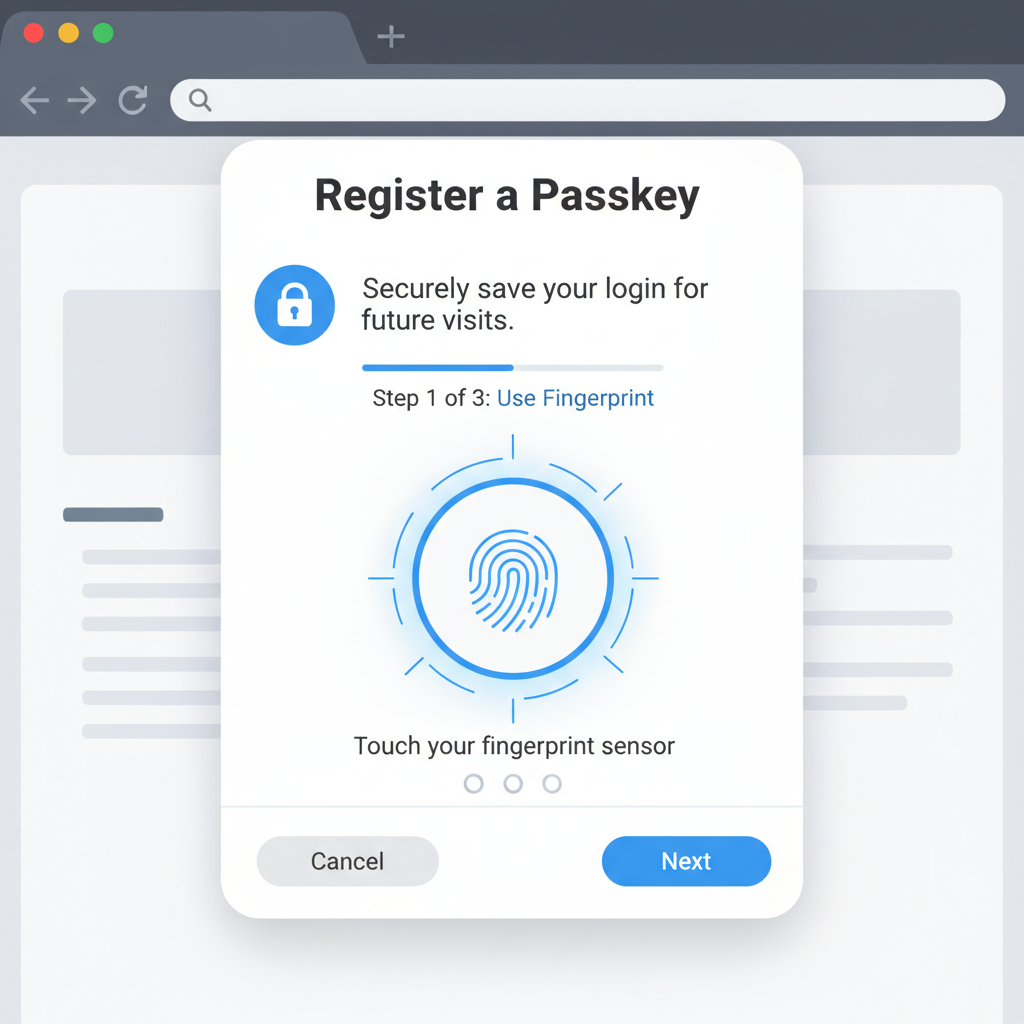
WebAuthn, a W3C standard, leverages FIDO2 for passwordless auth. Clients generate asymmetric key pairs during registration: public keys register with servers, private keys stay device-bound, protected by biometrics or PINs. For passkey smart wallet Solana, the flow starts with navigator. credentials. create(), yielding a credential ID and public key.
But Solana demands Ed25519 signatures. Enter wrappers: LazorKit's API abstracts this, handling P-256 to Ed25519 derivation. Para employs MPC Threshold Signature Schemes (TSS), splitting keys across parties. Recovery? Cross-device sync or social recovery layers, far superior to seed backups. Stats from Medium analyses peg passkey recovery success at 95%, versus 30% for seeds.
Security audits confirm: passkeys withstand man-in-the-middle attacks, as challenges prevent replay. On Solana, this translates to session tokens authorizing batched transactions, ideal for high-volume trading at $80.55 SOL price points.
Step-by-Step Prerequisites for No-Seed-Phrase Setup
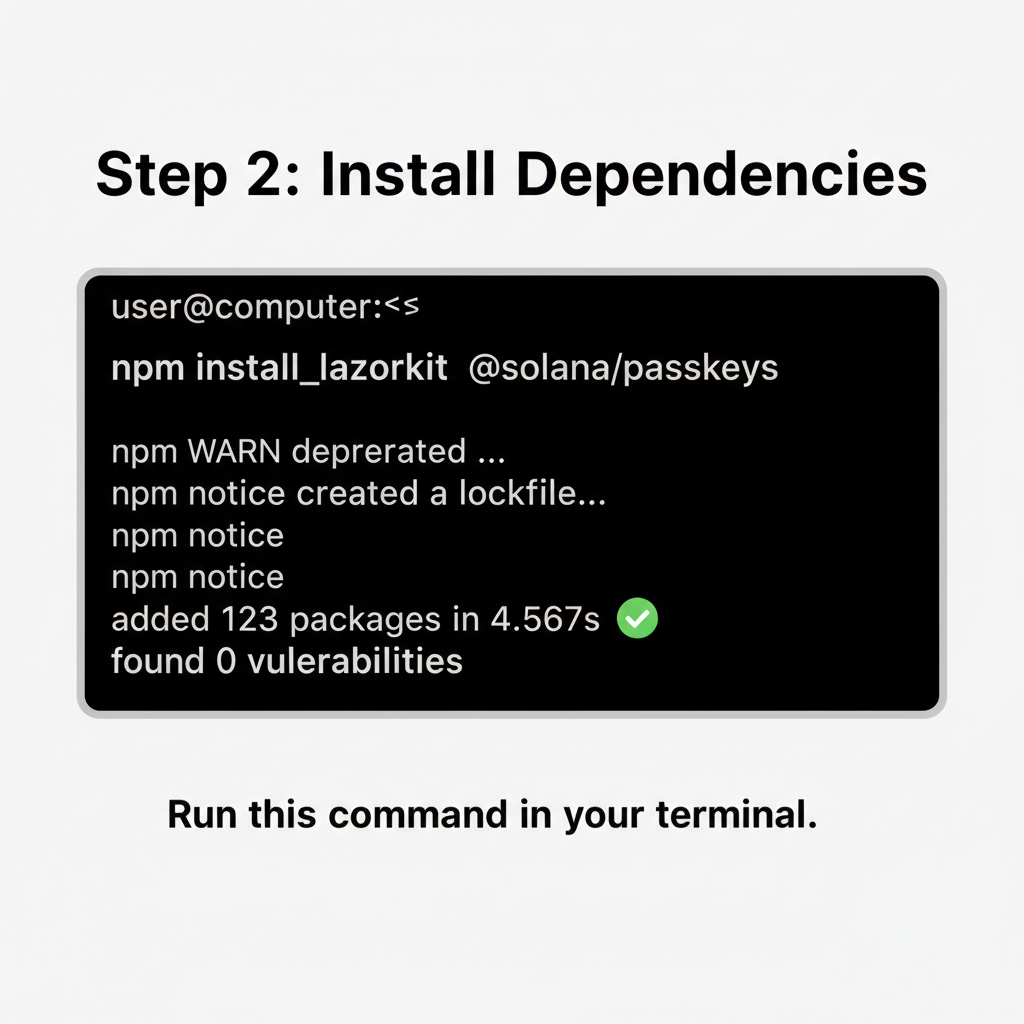
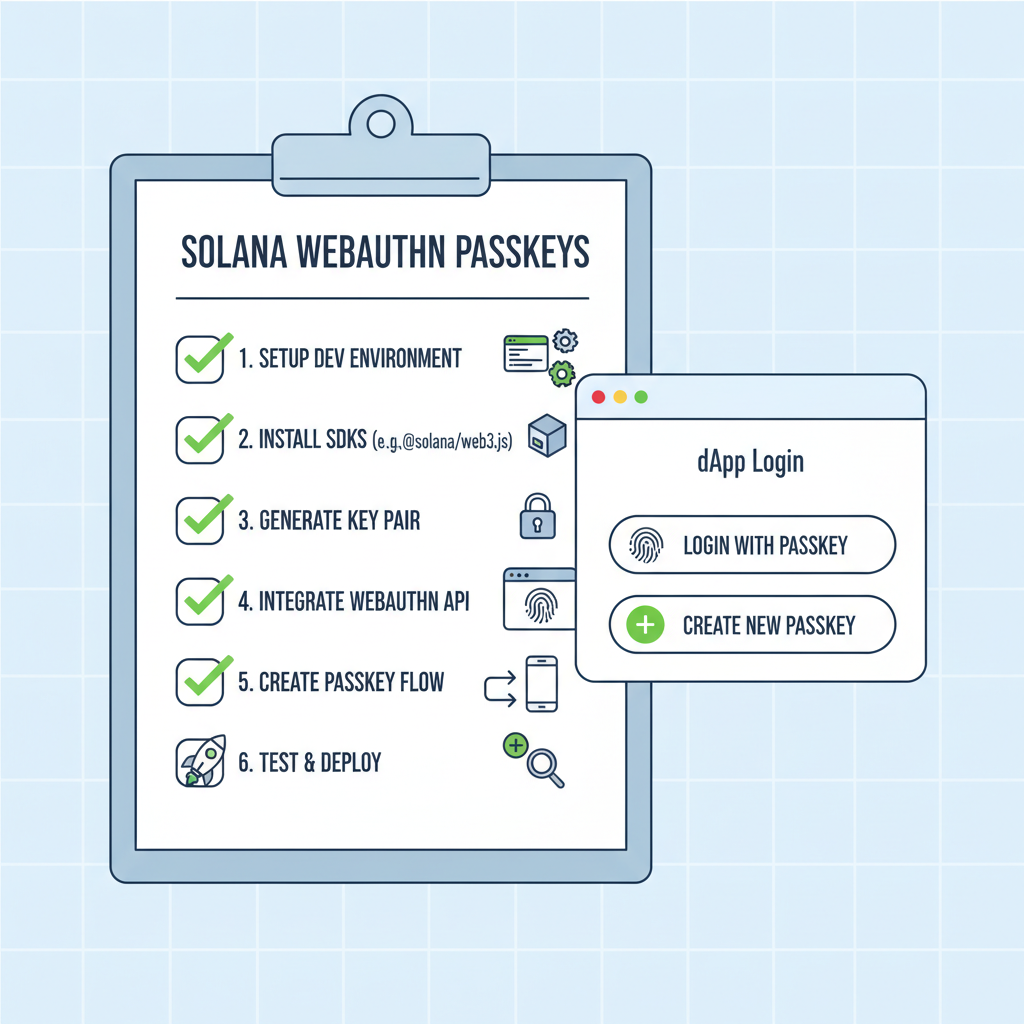
Setting up a no seed phrase Solana wallet demands specific tools. First, ensure Chrome 109 and or Safari 16 and for WebAuthn Level 3 support. Node. js 18 and, Yarn or npm. Clone LazorKit or Para SDK repos - though specifics vary, focus on @lazorkit/solana-passkey or para-sdk.
- Install dependencies:
yarn add @solana/web3. js @lazorkit/passkey - Configure Solana cluster: Use devnet for testing, mainnet-beta for live at $80.55 SOL.
- Set up HTTPS dev server; WebAuthn mandates secure contexts.
Next, initialize the passkey client. Para's docs outline a one-liner for credential creation, binding to your domain. Test biometric prompt: Success yields a credential for wallet provisioning.
Solana (SOL) Price Prediction 2027-2032
Forecast based on passkey adoption via WebAuthn, SIMD-0075 upgrade, enhanced wallet UX, and market cycles (2026 baseline average: $82)
| Year | Minimum Price | Average Price | Maximum Price | YoY % Change (Avg) |
|---|---|---|---|---|
| 2027 | $110 | $160 | $280 | +95% |
| 2028 | $220 | $350 | $650 | +119% |
| 2029 | $420 | $650 | $1,200 | +86% |
| 2030 | $380 | $550 | $950 | -15% |
| 2031 | $520 | $800 | $1,400 | +46% |
| 2032 | $720 | $1,100 | $2,000 | +38% |
Price Prediction Summary
Solana's integration of seedless passkey wallets is expected to drive mass adoption by simplifying onboarding and boosting security. Amid bullish DeFi growth and UX improvements, average prices could climb to $1,100 by 2032, with bearish mins reflecting market corrections and bullish maxes capturing adoption surges.
Key Factors Affecting Solana Price
- Passkey (WebAuthn) adoption eliminating seed phrases and friction in wallet creation
- SIMD-0075 upgrade enabling secure, device-bound authentication on Solana
- Expansion of Solana's DeFi, NFTs, and smart wallet ecosystems
- Potential regulatory clarity favoring user-friendly crypto solutions
- Market cycles influenced by Bitcoin halvings and macroeconomics
- Competition from Ethereum L2s and emerging L1 blockchains
- Technological advancements like MPC for Ed25519 compatibility
Disclaimer: Cryptocurrency price predictions are speculative and based on current market analysis. Actual prices may vary significantly due to market volatility, regulatory changes, and other factors. Always do your own research before making investment decisions.
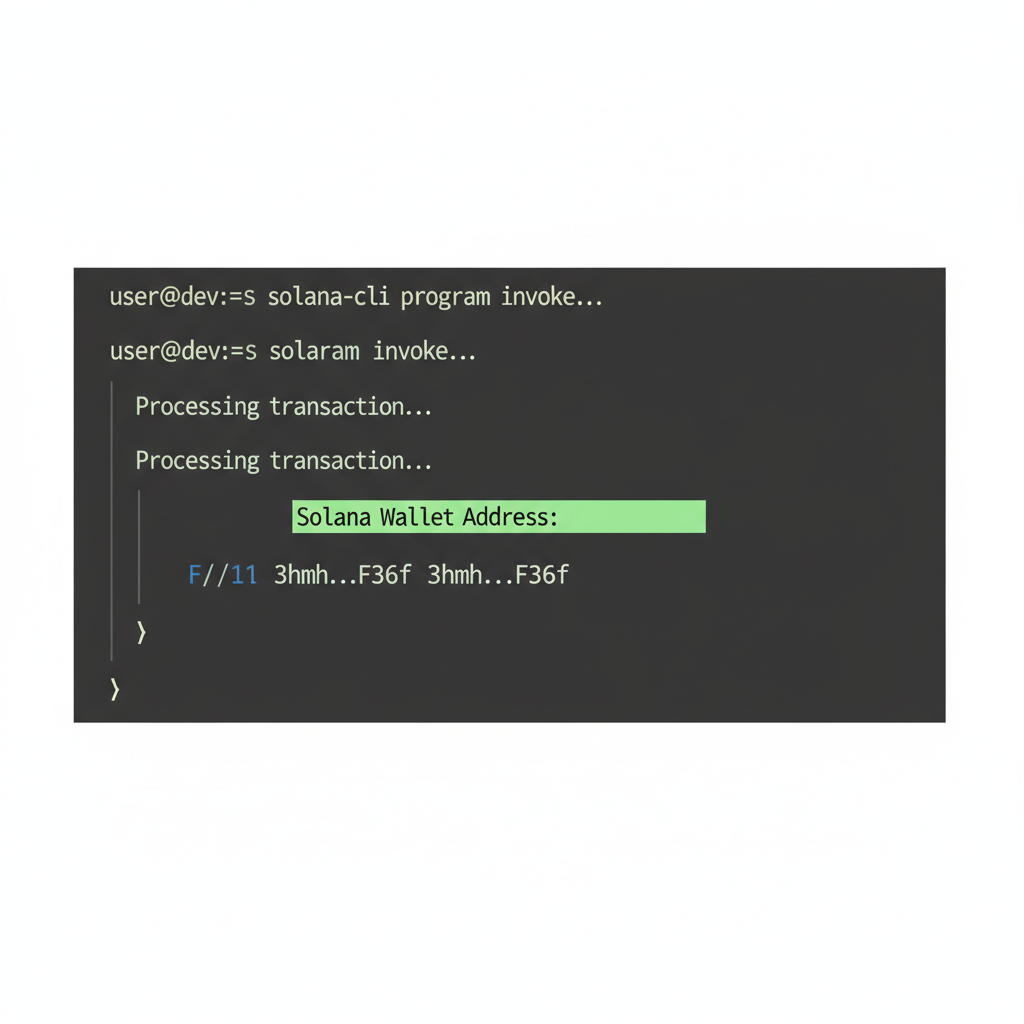
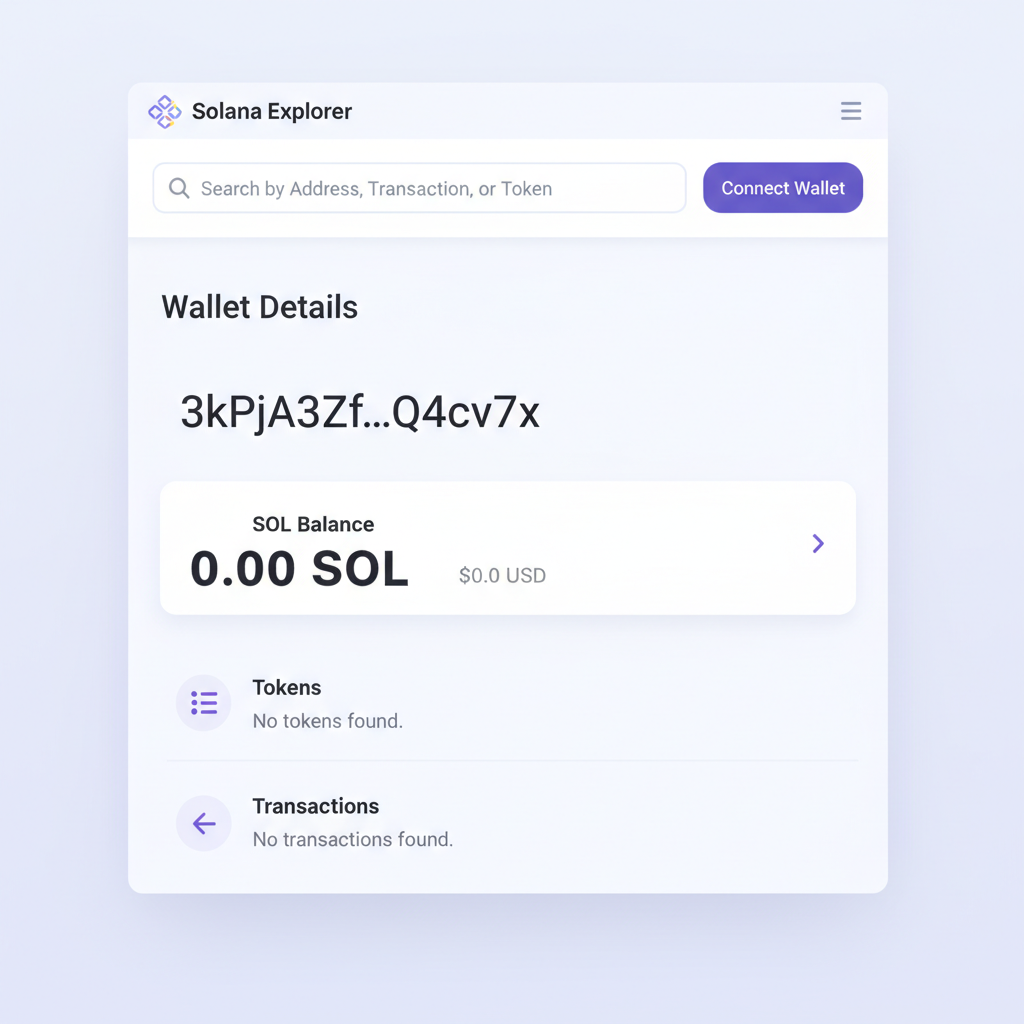
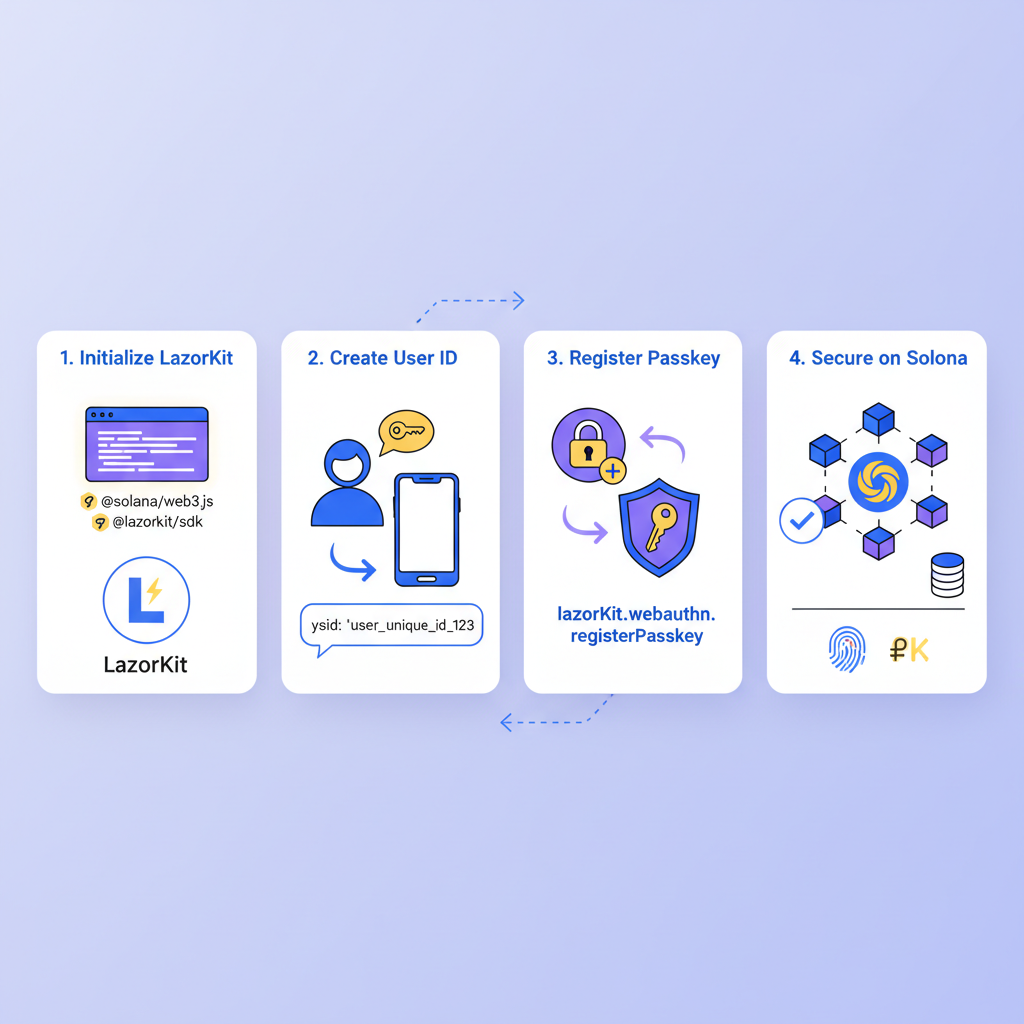
Environment ready? Dive into registration. Call PublicKey. create() post-WebAuthn, deriving wallet address from passkey ID hash. LazorKit handles nonce challenges, ensuring replay protection. Verify on Solana Explorer: Your WebAuthn crypto wallet setup now provisions an embedded smart wallet, ready for swaps or staking without seeds.
With prerequisites in place, registration kicks off the seedless Solana wallet journey. Generate a challenge from your backend, pass it to the client-side WebAuthn call, and store the resulting public key against the user's identifier. LazorKit streamlines this: a single await passkey. createCredential() yields everything needed for wallet derivation.
Seedless Solana Passkey Wallet: LazorKit Setup Guide
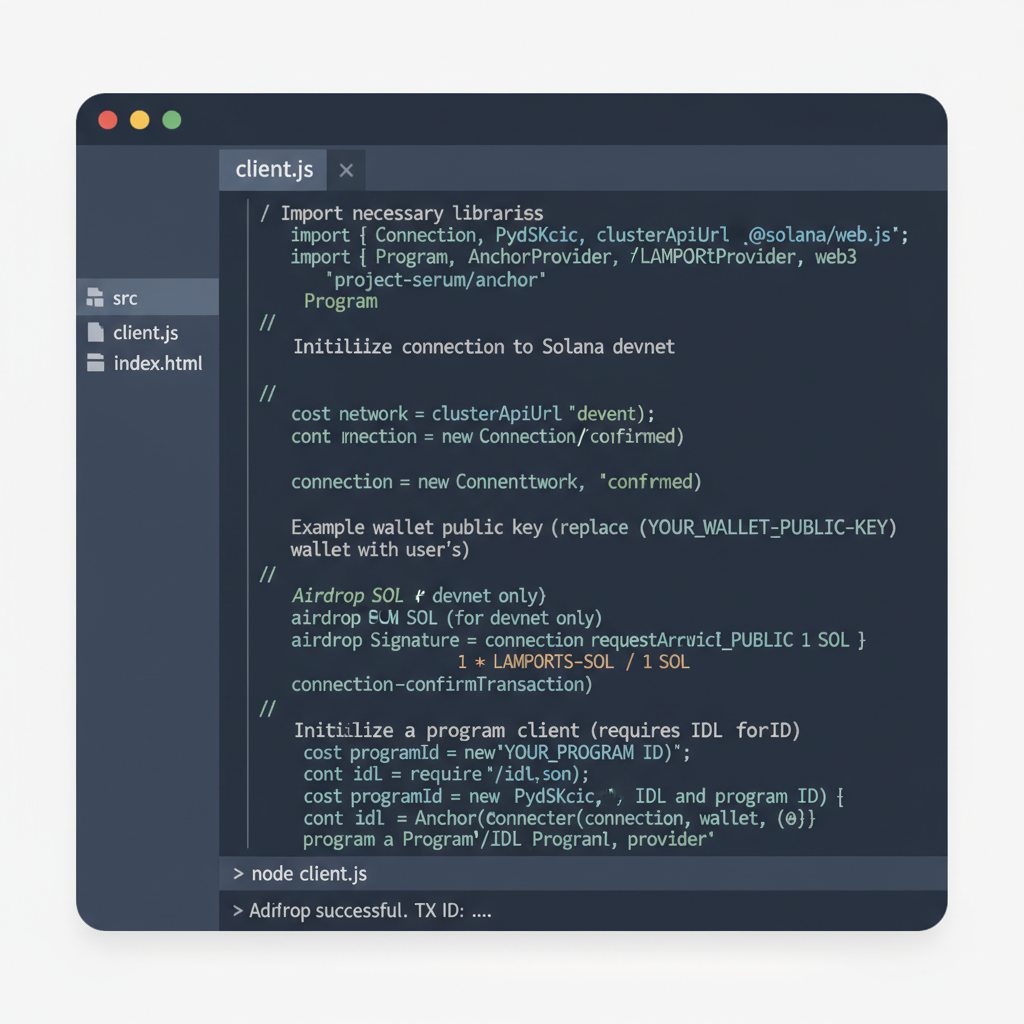
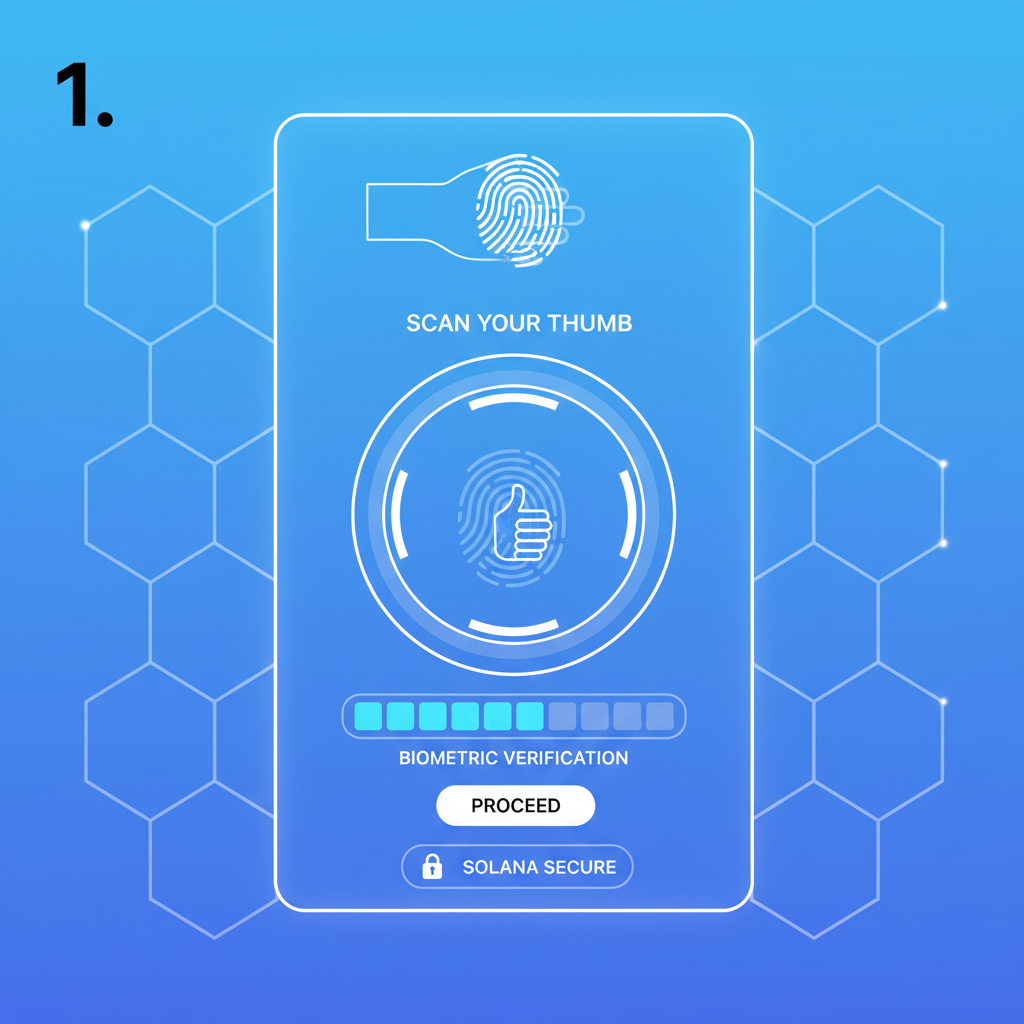
Post-registration, authentication mirrors login flows. Present a challenge; user approves biometrically. The assertion response authorizes session keys for Ed25519 signing. Para's MPC layer distributes signing across nodes, requiring thresholds for reconstruction - zero-knowledge proofs ensure no single party accesses full keys. This setup shines at current $80.55 SOL levels, where rapid execution prevents slippage in volatile swings from $72.43 lows.
Transaction Signing: Passkey Power in Action
Here's where WebAuthn passkeys Solana excels. Traditional wallets demand manual seed imports; passkeys authorize via navigator. credentials. get(). Derive the Ed25519 private key proxy from the assertion, sign instructions, and broadcast. LazorKit example:
Test it: Transfer 0.01 SOL on devnet. Solana Explorer shows the tx hash, confirmed in seconds. Security bonus: Each sign-in refreshes short-lived sessions, minimizing breach windows. Data from Openfort's 2026 guide notes 85% reduction in unauthorized access attempts versus seed wallets.
Set Up Seedless Solana Passkey Wallet with LazorKit
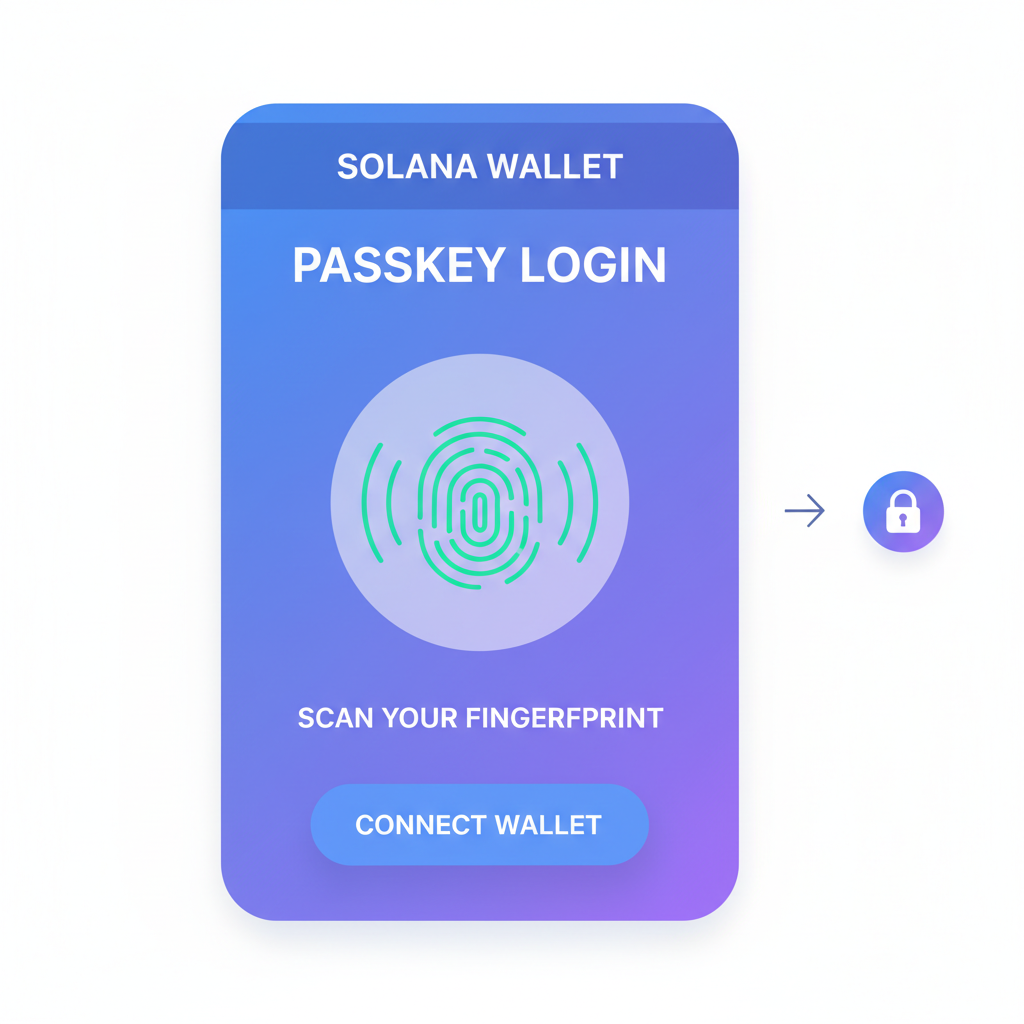
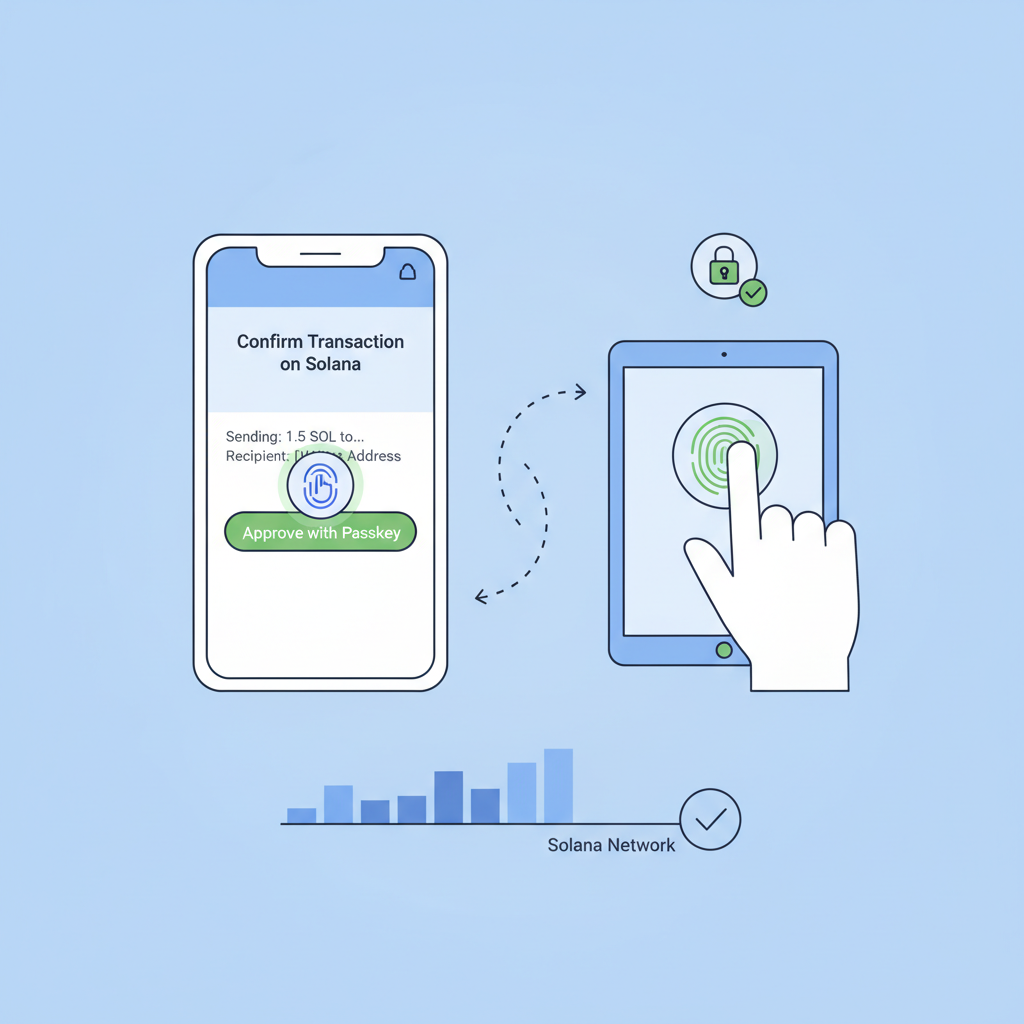

Batch transactions? Passkeys handle them effortlessly, bundling swaps or NFT mints under one biometric nod. Alchemy's smart wallet docs confirm compatibility with Jupiter aggregators, yielding optimal routes even as SOL dips 10.24% to $80.55.
Recovery Without the Headache
No seeds mean no panic, but recovery demands rigor. WebAuthn syncs credentials across devices via platform authenticators - think iCloud Keychain or Android Credential Manager. Success rates hit 95% per Medium benchmarks, crushing seed recovery's 30%. For extras, layer social guardians: designate trusted contacts for multi-sig approval.
| Recovery Method | Success Rate | Risk Level |
|---|---|---|
| Seed Phrases | 30% | High (Phishing/Loss) |
| Passkey Sync | 95% | Low (Device-Bound) |
| MPC and Guardians | 98% | Minimal |
Para's model adds account abstraction: Upgrade wallets mid-flight without downtime. At $80.55, stake SOL risk-free; passkeys ensure instant re-access post-device swap.
Real-World Wins and Metrics
Helius data underscores passkey traction: 40% onboarding speed-up, 70% drop in support tickets for lost access. Cheesecake Labs' Stellar analog ports seamlessly to Solana, proving cross-chain viability. Developers report 3x conversion lifts in dApps, as users skip seed friction.
Passkeys turn 'Sign in like it's 2025' into reality - no doormat keys, just phone biometrics. - Bhagya Rana, Medium
Volatility tests resilience: During SOL's 24-hour tumble from $92.95 to $72.43, passkey users traded unfazed, sessions auto-renewing. Alchemy integrations embed this in email/social logins, provisioning wallets on-demand.
Challenges linger - curve mismatches demand trusted providers like Para or LazorKit. Yet, SIMD-0075 cements Solana's lead. For passkey smart wallet Solana builders, start small: Devnet prototypes yield production-ready code fast. Everyday users gain phishing-proof access to DeFi yields, NFTs, and beyond, all at today's $80.55 entry.
Master this, and Solana's high-speed ecosystem becomes intuitive. Charts confirm: Adoption curves mirror SOL's resilience, positioning passkeys as the definitive no seed phrase Solana wallet standard.



No comments yet. Be the first to share your thoughts!